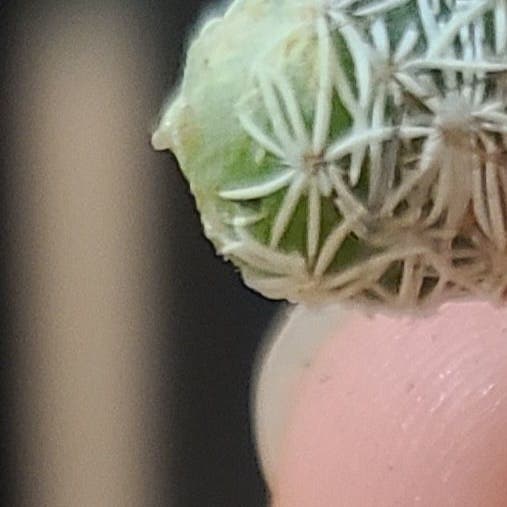
Button Cactus Is Not an Annual 🌵
Coryphantha erecta
By the Greg Editorial Team
Sep 28, 2024•5 min read
This article was created with the help of AI so we can cover more plants for you. May contain errors. See one? Report it here.
- 🌵 Button cacti are perennials, thriving for decades, often over 50 years!
- 💧 Specialized tissues retain water, making them drought-resistant and eco-friendly.
- 🌼 They bloom multiple times yearly, enhancing garden aesthetics with vibrant colors.
Genetic and Physiological Characteristics
Long-Term Lifecycle of Button Cactus 🌵
Button cacti are remarkable for their longevity, often living for decades. Some specimens can even surpass 50 years, showcasing their resilience.
Their slow growth rate is a key factor in their survival. This adaptation allows them to thrive in harsh conditions where many other plants would struggle.
Growth Patterns Specific to Button Cactus 📏
The button cactus exhibits a unique globular shape, characterized by its ribbed surface. This distinctive form not only adds visual interest but also plays a role in its survival.
Additionally, these cacti have specialized tissues that enable them to retain water effectively. This adaptation is crucial for enduring prolonged droughts.
Reproductive Strategies of Button Cactus 🌼
One of the fascinating aspects of button cacti is their flowering patterns. They can bloom over multiple seasons, providing a continuous display of color.
Moreover, button cacti are prolific in seed production. They produce seeds continuously over the years, ensuring their survival and propagation in various environments.
In summary, the genetic and physiological characteristics of button cacti highlight their unique adaptations and long-term lifecycle. Understanding these traits sets the stage for exploring how they compare to true annuals.
Lifecycle Comparison
Differences Between Button Cactus and True Annuals 🌵
Button cactus is a perennial, thriving for decades, while true annuals complete their lifecycle in a single growing season. This fundamental difference shapes their growth and flowering cycles, with button cactus flowering multiple times throughout the year.
Implications of Button Cactus's Perennial Lifecycle on Growth and Flowering 🌼
The extended flowering periods of button cactus create a vibrant garden display that lasts longer than typical annuals. This not only enhances garden aesthetics but also supports biodiversity by providing consistent resources for pollinators.
Seed Production Differences Between Button Cactus and Annuals 🌱
Unlike annuals, which produce seeds in a single burst, button cactus continuously generates seeds over several years. This ongoing seed production contributes to the longevity and resilience of the species, with seeds often remaining viable for extended periods, ensuring future generations thrive.
As we explore the variations and exceptions of button cactus, we’ll uncover the conditions that might lead to its misclassification as an annual.
Variations and Exceptions
🌵 Conditions Where Button Cactus Might Be Mistaken for an Annual
Button cacti can sometimes appear to be annuals due to environmental stressors. Factors like drought or extreme temperatures can stunt their growth, leading to a misinterpretation of their lifecycle.
In harsh conditions, these resilient plants may not show their true potential. This can confuse gardeners who expect vibrant growth typical of perennials.
🌍 Regional Factors Affecting Button Cactus's Classification
Climate plays a significant role in how button cacti thrive. Variations in temperature and moisture levels can dramatically influence their growth patterns.
Additionally, local gardening practices can shape perceptions. In some regions, gardeners may treat button cacti as annuals, overlooking their perennial nature and long-term benefits.
Understanding these variations is crucial for proper care and appreciation of button cacti. This knowledge helps ensure they are recognized for their unique lifecycle and contributions to the garden.
As we explore the gardening implications of button cacti, we’ll uncover how to maximize their potential in your landscape.
Gardening Implications
🌵 Advantages of Planting Button Cactus as a Perennial
Planting Button Cactus offers a long-term investment in your garden design. These resilient plants not only thrive for decades but also bring a unique aesthetic that evolves over time.
Incorporating Button Cactus contributes to sustainable gardening practices. Their low water requirements and ability to survive in harsh conditions make them an eco-friendly choice for any garden.
🎨 Garden Design Strategies Utilizing Button Cactus's Perennial Nature
One effective strategy is to incorporate Button Cactus in xeriscaping. This approach minimizes water use while showcasing the cactus's striking form and texture.
Companion planting with other perennials can create diverse ecosystems. Pairing Button Cactus with drought-tolerant plants enhances biodiversity and supports local wildlife, making your garden a vibrant habitat.
By embracing these strategies, you can maximize the benefits of Button Cactus in your garden. This not only enhances your landscape but also promotes a healthier environment.
Management Tips
Tips for Maximizing Longevity of Button Cactus in the Garden 🌵
To ensure your Button Cactus thrives, start with optimal soil conditions. These plants prefer well-draining, sandy soils that mimic their natural habitat.
Watering practices are equally crucial. Aim for deep but infrequent watering to encourage robust root growth, allowing the cactus to access moisture during dry spells.
Best Practices for Managing Button Cactus as a Perennial 🌼
Seasonal care is essential for maintaining your Button Cactus. Regularly monitor its growth and adjust your care routines as needed to keep it healthy.
Pest management is another key aspect. Identify common issues early and address them without harming the plant, ensuring it remains a vibrant part of your garden.
By following these tips, you can enjoy the beauty and resilience of Button Cactus for years to come. Next, let’s explore how to incorporate these unique plants into your garden design effectively.
⚠️ Safety First
This content is for general information and may contain errors, omissions, or outdated details. It is not medical, veterinary advice, or an endorsement of therapeutic claims.
Always consult a qualified healthcare professional before using any plant as food, medicine, or supplement.
Never eat any plant (or feed one to pets) without confirming its identity with at least two trusted sources.
If you suspect poisoning, call Poison Control (800) 222-1222, the Pet Poison Helpline (800) 213-6680, or your local emergency service immediately.
Spotted an error? Please report it here.
Ensure your button cactus thrives for decades with Greg's personalized care tips and watering reminders, making your garden a vibrant oasis! 🌵