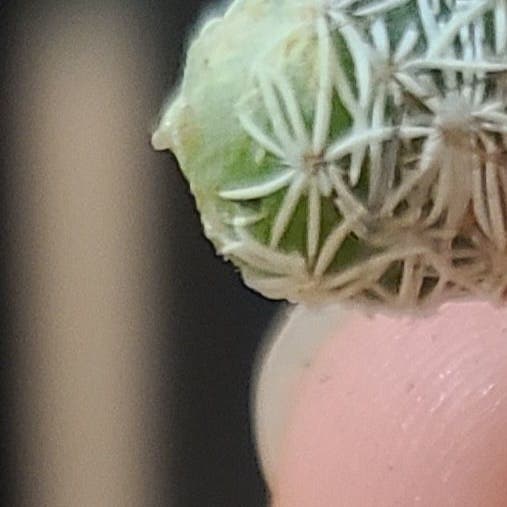
🌵 Growing Your Button Cactus Indoors
Coryphantha erecta
By the Greg Editorial Team
Sep 28, 2024•6 min read
This article was created with the help of AI so we can cover more plants for you. May contain errors. See one? Report it here.
- 🌞 Button cacti need 6-8 hours of bright, indirect light daily for optimal growth.
- 💧 Water every 2-4 weeks using the soak and dry method to prevent root rot.
- 🌡️ Maintain 20°C to 30°C and humidity levels of 30%-50% for healthy button cacti.
Light Requirements
Optimal Conditions 🌞
For your button cactus to thrive, it needs bright, indirect light for about 6-8 hours daily. If you notice stretched growth, pale color, or reduced blooming, it’s a sign that your cactus isn’t getting enough light.
Role of Grow Lights 💡
During low-light seasons, grow lights can be a game changer. They supplement natural light, ensuring your cactus continues to flourish.
Choosing the Best Grow Light 🛠️
When selecting a grow light, consider the light spectrum, wattage, and coverage area. Aim for a color temperature between 3000K to 6500K for optimal growth, as this range mimics natural sunlight effectively.
By understanding these light requirements, you can create the perfect environment for your button cactus. Next, let’s dive into its watering needs to keep it hydrated and healthy.
Watering Needs
Frequency and Method 🌊
Watering your button cactus is crucial for its health. Aim to water every 2-4 weeks, adjusting based on the season and humidity levels in your home.
The best method is the soak and dry technique. Water thoroughly until you see it drain from the bottom, then let the soil dry completely before the next watering.
Signs of Overwatering and Underwatering 🚨
It's essential to recognize the signs of overwatering. Look for yellowing, mushy stems, and root rot, which can signal that your cactus is drowning.
On the flip side, underwatering can lead to a wrinkled, shriveled appearance and slow growth. Keep an eye on your cactus to ensure it thrives.
Understanding these watering needs will help you maintain a healthy button cactus, setting the stage for its vibrant growth. Next, let’s explore the ideal humidity and temperature conditions for your cactus.
Humidity and Temperature
Ideal Levels 🌬️
Maintaining the right humidity is crucial for your button cactus. Aim for a humidity range of 30% to 50% to prevent root rot and promote healthy growth.
Temperature Range 🌡️
Your cactus thrives in a warm environment. The optimal temperature is between 20°C to 30°C (68°F to 86°F).
Signs of Temperature Stress ⚠️
Watch for signs of temperature stress, such as wilting or browning of spines. Stunted growth can also indicate that your cactus isn't happy with its current conditions.
Ensuring proper humidity and temperature will set your button cactus up for success. Next, let's explore the best soil types and fertilization strategies to keep your plant thriving.
Soil and Fertilization
Best Soil Types 🌵
For your button cactus, a well-draining cactus mix is essential. Alternatively, you can create your own blend using potting soil, sand, and perlite to ensure optimal drainage.
Good drainage is crucial for preventing root rot. Healthy root development relies on soil that allows excess water to escape, keeping your cactus thriving.
Fertilization Schedule 📅
During the growing season, typically spring and summer, fertilize your cactus every 4-6 weeks. A balanced, diluted liquid fertilizer, like a 10-10-10 NPK, works wonders for promoting growth.
Regular fertilization helps your cactus absorb essential nutrients. This practice not only supports healthy growth but also encourages blooming, making your indoor garden even more vibrant.
By understanding the right soil and fertilization techniques, you set the stage for a flourishing button cactus. Next, let’s explore common issues and solutions to keep your cactus in top shape.
Common Issues and Solutions
🐛 Pests and Diseases
Common Pests
Button cacti can fall victim to a few pesky pests. Mealybugs appear as white, cotton-like masses on stems, while spider mites leave fine webbing and cause stippled leaves.
Prevention and Treatment
To keep your cactus healthy, conduct regular inspections—check for pests weekly. If you spot any, treatment options include neem oil, insecticidal soap, or introducing beneficial insects to your indoor garden.
🌪️ Environmental Stress
Signs of Stress
Environmental stress can manifest in several ways. Look for symptoms like wilting, discoloration, and poor growth, which indicate your cactus may be struggling.
Solutions
Adjusting light exposure can make a big difference. Move your cactus closer to windows or use grow lights to enhance its light intake. Additionally, consider implementing humidity control methods, such as using a humidity tray or a room humidifier, to create a more favorable environment.
By addressing these common issues, you can ensure your button cactus thrives indoors. Next, let’s explore the best practices for soil and fertilization to support its growth.
Placement and Maintenance
🌞 Best Locations
Ideal Spots
For your button cactus to thrive, place it in a south or west-facing window. These locations provide the bright light it craves, ensuring robust growth and vibrant blooms.
Avoiding Areas
Steer clear of spots with direct drafts, heating vents, or air conditioning units. These conditions can stress your cactus, leading to poor health and stunted growth.
✂️ Maintaining Appearance
Pruning and Grooming
Regularly check your cactus for dead or damaged spines and remove them promptly. This not only keeps your plant looking its best but also enhances its ability to photosynthesize effectively.
Cleaning
Dust can accumulate on the surface of your cactus, hindering its growth. Gently wipe it down to ensure it receives maximum light exposure.
🌱 Repotting
- Timing: Repot your cactus every 2-3 years or when it becomes root-bound.
- Steps:
- Choose a pot that is 1-2 inches larger in diameter than the current one.
- Use fresh, well-draining soil to promote healthy root development.
- Water lightly after repotting to avoid shocking the roots.
By following these placement and maintenance tips, you’ll set your button cactus up for success. Next, let’s explore the watering needs to keep your plant hydrated and thriving.
Indoor Gardening Tips
Use the Greg Plant Care App 📱
Keeping track of your cactus care can be a challenge. The Greg plant care app is a fantastic tool for setting reminders on watering and fertilization, ensuring your button cactus gets the attention it needs.
Monitor Indoor Light Levels 💡
Light is crucial for your cactus's health. Regularly check the light levels in your home and adjust your cactus's placement to maximize exposure, especially during shorter days.
Maintain a Consistent Care Routine 📅
Consistency is key to thriving indoor plants. Establish a routine for watering, fertilizing, and monitoring your cactus to promote healthy growth and blooming throughout the year.
By integrating these tips into your indoor gardening practices, you'll set your button cactus up for success. With the right care, you'll enjoy a vibrant and flourishing plant that brightens your space.
⚠️ Safety First
This content is for general information and may contain errors, omissions, or outdated details. It is not medical, veterinary advice, or an endorsement of therapeutic claims.
Always consult a qualified healthcare professional before using any plant as food, medicine, or supplement.
Never eat any plant (or feed one to pets) without confirming its identity with at least two trusted sources.
If you suspect poisoning, call Poison Control (800) 222-1222, the Pet Poison Helpline (800) 213-6680, or your local emergency service immediately.
Spotted an error? Please report it here.
Grow your button cactus thrivingly 🌵 with Greg's tailored care reminders and light tracking, ensuring it gets the perfect environment for vibrant growth!