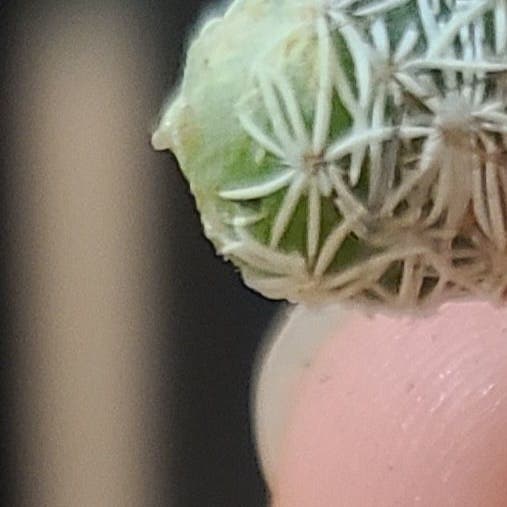
Why Are My Coryphantha erecta Leaves Curling?
Coryphantha erecta
By the Greg Editorial Team
Jun 18, 2024•4 min read
This article was created with the help of AI so we can cover more plants for you. May contain errors. See one? Report it here.
- Leaf curling signals distress in Coryphantha erecta; don't overlook discoloration and texture changes.
- Balance water and sunlight; too much or too little of either can cause curling.
- Consistent care and monitoring prevent curling; adjust watering, light, and soil as needed.
Spotting the Curl: Signs and Symptoms
🌵 Visual Clues
Curling leaves on your Coryphantha erecta aren't just a quirky twist; they're a cry for help. The leaves may start with a slight bend and progress to more severe contortions. Beyond the curl, watch for discoloration—yellow or brown patches that spell trouble. Texture changes are also telling; a once plump leaf turning brittle or puffy is sounding the alarm.
When to Worry
Not all leaf variations are a cause for concern. Some natural undulations are part of the cactus's charm. However, if you notice persistent changes in multiple leaves or alongside other symptoms like spots or texture changes, it's time to take action. These are signs of distress, and your spiky friend is depending on you to decode its silent messages.

Unraveling the Causes of Leaf Curling
💧 Thirsty Roots: The Underwatering Problem
Crispy leaves reaching skyward? Your Coryphantha erecta is likely parched. Underwatering triggers a survival response, causing leaves to curl up as they conserve moisture. Check the soil; if the top inch is bone-dry, it's time to hydrate.
💦 Drowning in Excess: The Overwatering Issue
Conversely, leaves that droop and curl downwards might be drowning in excess water. Overly enthusiastic watering can lead to soggy soil, suffocating roots, and ultimately, root rot. Ensure the pot has proper drainage and let the soil dry out a bit between waterings.
🌡 Feeling the Heat: Temperature Stress
When it comes to temperature, think of your cactus as a heat-seeking, but not heat-loving, creature. Extreme heat can dehydrate your plant, causing leaves to curl and crisp. On the flip side, cold snaps can make leaves brittle and curled. Aim for a stable, warm environment.
🌞 Light: Finding the Sweet Spot
Sunlight is like social media for plants – necessary in the right amounts but damaging in excess. Too much direct sun can lead to a sunburned cactus with curled leaves. Too little, and it becomes light-starved, leading to pale, weak, and curled leaves. Find that Goldilocks zone of bright, indirect light for your spiky friend.

First Aid for Curly Leaves
💧 Fine-Tuning Watering Habits
Watering is more art than science when it comes to cacti. Overwatering is like giving your cactus a life jacket in a desert—it's unnecessary and harmful. If the soil feels more like a wetland than a dry desert, you've gone too far. Conversely, underwatering leaves your cactus gasping for moisture. The top inch of soil should be bone dry before you consider another watering session.
🌡️ Balancing the Elements: Temperature and Light
Cacti crave the morning sun—it's their version of a caffeine fix. Position your plant to bask in the early light but avoid the midday scorch. When the sun throws a tantrum, afternoon shade is your cactus's best ally. Indoors, aim for a south-facing window but be ready to shuffle your plant around to prevent a sunburn.
🌱 Soil and Roots Check-Up
The right soil mix is like a good friend—it's supportive but knows when to step back. Use a well-draining mix that's more pebble than soil. If your cactus is sitting in dense, heavy soil, consider repotting to give those roots the airy home they deserve. Regularly check the roots for signs of rot or distress, ensuring the underground network is as healthy as the plant you see above ground.

Prevention: Keeping Your Cactus Happy and Curly-Free
🌵 Consistent Care Routine
Establishing a care schedule is like setting reminders to drink water—necessary and healthful. For your Coryphantha erecta, this means regular watering when the soil is dry to the touch but not so often that the roots get soggy. During the growing season, a monthly fertilizer boost is the cactus equivalent of a protein shake, but ease up during its winter snooze.
🧐 Monitoring and Adjusting
Your cactus isn't just another pretty face; it's a living barometer for its own needs. Keep an eye on it like it's the last slice of pizza at a party—regularly and with intent. Notice a change in leaf texture or color? Time to tweak the care routine. And remember, as the seasons shift, so do your cactus's needs. Water less in winter when it's chilling out, and maybe move it to catch those summer rays—but not too directly, lest you want a crispy plant.
⚠️ Safety First
This content is for general information and may contain errors, omissions, or outdated details. It is not medical, veterinary advice, or an endorsement of therapeutic claims.
Always consult a qualified healthcare professional before using any plant as food, medicine, or supplement.
Never eat any plant (or feed one to pets) without confirming its identity with at least two trusted sources.
If you suspect poisoning, call Poison Control (800) 222-1222, the Pet Poison Helpline (800) 213-6680, or your local emergency service immediately.
Spotted an error? Please report it here.
Ensure your Coryphantha erecta thrives with zero-guesswork watering ⏲ and environment tips from Greg, preventing those pesky leaf curls.