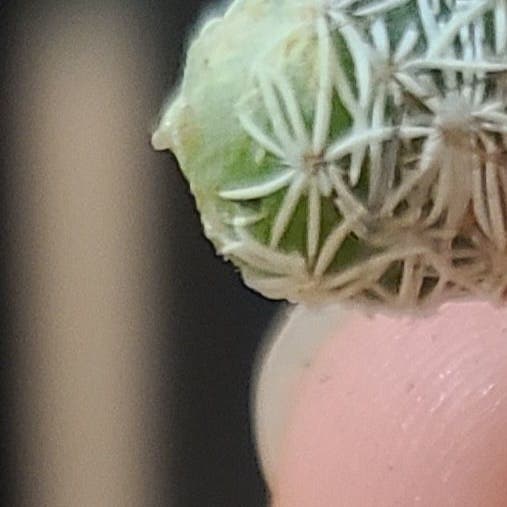
What Are The Bugs on My Coryphantha erecta?
Coryphantha erecta
By the Greg Editorial Team
Jun 18, 2024•3 min read
This article was created with the help of AI so we can cover more plants for you. May contain errors. See one? Report it here.
- 🕷️ Spider mites and scale threaten Coryphantha erecta; combat with neem oil or alcohol wipes.
- Fungus gnats, fruit flies, mealybugs, aphids, thrips: Use hydrogen peroxide, sticky traps, or spinosad.
- Regular inspections and beneficial insects help prevent pest infestations; chemicals as a last resort.
Meet the Usual Suspects: Common Coryphantha erecta Pests
🕷️ Spider Mites: The Sneaky Sap-Suckers
Tiny but troublesome, spider mites can turn your Coryphantha erecta into their own personal juice bar. Webbing on leaves and a general look of despair are tell-tale signs. To kick them out, neem oil and insecticidal soap are your go-to bouncers. Keep them away for good with clean leaves and a humidity level that doesn't invite them back for round two.
🦟 Scale: The Sticky Freeloaders
Scale insects are like that one guest who overstays their welcome and leaves a mess. They hunker down with waxy covers on stems, thinking they're invisible. Spoiler: they're not. Alcohol wipes and horticultural oil will send them packing. Fortify your plant's defenses by inspecting new plants and keeping everything spotless.
🦟 Fungus Gnats and Fruit Flies: The Soil Party Crashers
These guys love a good soil party. Spot them by their tiny fly bouncers and the larvae having a rave in the dirt. Break up the shindig with hydrogen peroxide and sticky traps. Keep future parties from happening by letting the soil dry out a bit and mastering the art of watering wisdom.
🐞 Mealybugs: The Fluffy Vandals
Mealybugs are the fluffy vandals leaving cottony graffiti in your plant's nooks and crannies. Alcohol swabs will clean up their act, and neem oil will make sure they don't come back with their spray cans. Keep your plant safe by isolating new additions and ensuring there's enough airflow to deter these fluffy fiends.

Other Pests to Watch Out For
🐜 Aphids: The Clingy Crowd
Aphids are party crashers on new plant growth, forming clingy clusters. Their presence is betrayed by sticky honeydew and sooty mold.
Blast them off with a strong water spray, or apply insecticidal soap for a deeper clean.
🦗 Thrips: The Invisible Munchers
Thrips are stealthy, leaving behind silvery trails and deformed leaves. They're like the invisible ink of the pest world: there, but not there—until the damage is done.
Combat them with Spinosad or introduce predatory insects. Consistency is key—apply treatments weekly and watch them disappear.

Integrated Pest Management: A Holistic Approach
🔍 Early Detection: The Key to Control
Regular inspections are your first line of defense. Get up close and personal with your plant, peering under leaves and along stems. What to look for? Uninvited guests like mites or the telltale damage they leave behind. Spot something? Don't dawdle. Immediate action is crucial to prevent a full-blown infestation.
🌿 Natural Remedies: Gentle Yet Effective
Beneficial insects are the unsung heroes in this saga. Introduce ladybugs to wage war on aphids, or employ predatory mites against their spider mite cousins. Organic treatments like neem oil double as both deterrent and remedy, keeping things clean without the chemical hangover.
💣 Chemical Controls: When to Bring Out the Big Guns
Sometimes, you've got to bring in the heavy artillery. Chemical pesticides should be your last resort, used with precision and restraint. Targeted application ensures you hit the pests, not the plant. Remember, it's about being a sniper, not spraying and praying. Keep it minimal and effective to safeguard your green oasis and the environment.

⚠️ Safety First
This content is for general information and may contain errors, omissions, or outdated details. It is not medical, veterinary advice, or an endorsement of therapeutic claims.
Always consult a qualified healthcare professional before using any plant as food, medicine, or supplement.
Never eat any plant (or feed one to pets) without confirming its identity with at least two trusted sources.
If you suspect poisoning, call Poison Control (800) 222-1222, the Pet Poison Helpline (800) 213-6680, or your local emergency service immediately.
Spotted an error? Please report it here.
Banish pests from your Coryphantha erecta and keep it thriving 🌵 with Greg's personalized care reminders and expert advice for each specific bug battle.