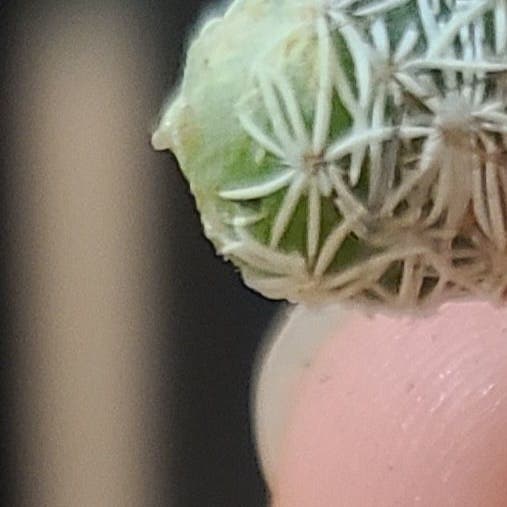
Why Are There Brown Spots on My Coryphantha erecta Leaves?
Coryphantha erecta
By the Greg Editorial Team
Jun 18, 2024•5 min read
This article was created with the help of AI so we can cover more plants for you. May contain errors. See one? Report it here.
- Overwatering and sunburn are common causes of brown spots; adjust care routines.
- Inspect for pests and diseases; they often leave brown spots as evidence.
- Use well-draining soil and monitor light exposure to prevent further issues.
Spotting the Trouble: Identifying Brown Spots
🍂 What Do Brown Spots Look Like?
Brown spots on Coryphantha erecta leaves are a real mood-killer. They're the party poopers of the plant world, showing up uninvited and sticking out like a sore thumb. These spots can range from rusty patches to circular lesions, each type hinting at a different underlying issue. Some are dry and crispy, while others look like they've just had a good cry, all water-soaked and dramatic. And let's not forget the yellow halo – it's like each spot is trying to be the center of attention.
🌿 Where to Find Them
When it comes to real estate, brown spots aren't picky. They'll crash anywhere on your plant's leaves, from center stage to the leaf margins. But don't be fooled; their placement is a clue to the cause. Spots that are front and center might suggest sunburn, while those lurking at the edges could hint at a fungal rave. And if they're scattered all over? It's chaos, and your plant is sending an SOS. Remember to flip those leaves; some spots are sneaky, preferring the underside of leaves for their hideout.

The Usual Suspects: Common Causes of Brown Spots
🚿 Too Much Love: Overwatering Woes
Overwatering can turn your Coryphantha erecta's leaves into a brown-spotted mess. It's like drowning your plant's roots in unwanted affection. To prevent this soggy situation, check the soil before watering—if it's still damp, skip the waterworks. Consider a well-draining soil mix to avoid waterlogged roots that can lead to rot.
🌞 Sun Kissed or Sunburnt?
Your cactus craves sunlight, but there's a thin line between a healthy glow and a full-on sunburn. Brown, crispy spots often signal that your plant has had too much of a good thing. Protect your Coryphantha erecta by providing bright, indirect light, and gradually acclimate it to any new, sunnier spots to prevent those unsightly burns.
🐜 Uninvited Guests: Pests and Diseases
Pests and diseases are like party crashers for your plant, leaving behind brown spots as calling cards. Be on the lookout for tiny insects, webbing, or a dusting of white powder. Fungal infections might show up with a yellow halo or concentric rings. If you spot these signs, it's time to take action against these uninvited guests.

The Detective Work: Diagnosing the Cause
🔍 Assessing Your Plant's Environment
To crack the case of the brown spots, start by scrutinizing the environment. Your Coryphantha erecta isn't just sitting pretty; it's reacting to its surroundings. Check for watering patterns (too much or too little), light exposure (scorching sun or gloomy shade), and temperature swings that could stress out your green buddy. Remember, it's not just about what you see; it's about piecing together the environmental puzzle.
🕵️♂️ Conducting a Thorough Inspection
Now, roll up your sleeves and get up close and personal with your plant. Inspect every leaf, front and back, for any signs of pests playing hide-and-seek. Whip out a magnifying glass if you must; those critters can be tinier than your patience on a bad day. Also, keep an eye out for disease symptoms like unusual spots or discoloration. And don't forget the soil—overwatering is a common misstep that can lead to a whole host of issues. If you're still stumped, consider sending a sample to a diagnostic lab. They're like the Sherlock Holmes of horticulture, minus the deerstalker hat.

The Recovery Plan: Treating Brown Spots
🌱 Adjusting Care Routines
Modify your watering habits to let the soil's top layer dry out before the next watering. This is crucial; overzealous watering is like giving your plant a bath with its socks on – uncomfortable and unnecessary. Ensure you're using well-draining soil to avoid soggy feet syndrome.
Sunlight exposure needs a Goldilocks approach – not too much, not too little. Protect your Coryphantha erecta from the harsh midday sun which can scorch faster than a desert mirage. A little shade during peak hours can prevent future brown spot sunburns.
🌿 Natural Remedies and Treatments
When pests decide to throw a party on your plant, show them the door with natural remedies. A spray made from baking soda, liquid soap, and water can be the bouncer, keeping those freeloading pests in check. Apply this concoction bi-weekly, and watch for spots that halt their advance.
For a fungal rave, consider a copper-based fungicide. It's like sending in a stealthy ninja to halt the spore spread. Apply thoroughly and stick to a reapplication schedule as if it's the latest binge-worthy series.
Prune affected areas with sterilized scissors to stop the brown spot brigade from advancing. Remember, cleanliness is next to godliness here – keep those tools spotless to avoid cross-contamination.
Regularly monitor new growth; it's the green flag signaling your plant is on the mend. If the brown spots persist, reassess your care strategy – it's not about working harder, but smarter. Keep a hawk's eye on your plant, and with the right tweaks, you'll have it back to its spotless glory.
⚠️ Safety First
This content is for general information and may contain errors, omissions, or outdated details. It is not medical, veterinary advice, or an endorsement of therapeutic claims.
Always consult a qualified healthcare professional before using any plant as food, medicine, or supplement.
Never eat any plant (or feed one to pets) without confirming its identity with at least two trusted sources.
If you suspect poisoning, call Poison Control (800) 222-1222, the Pet Poison Helpline (800) 213-6680, or your local emergency service immediately.
Spotted an error? Please report it here.
Keep your Coryphantha erecta spotless 🌵 with Greg's custom watering plan and sunlight tracking, for a cactus that's as resilient as it is beautiful.