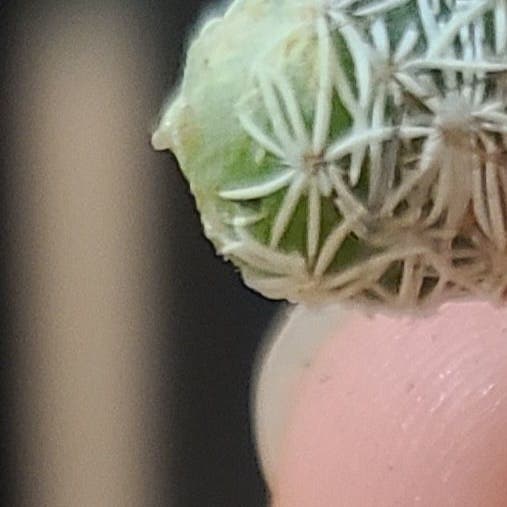
Best Soil for Coryphantha erecta
Coryphantha erecta
By the Greg Editorial Team
Jun 18, 2024•4 min read
This article was created with the help of AI so we can cover more plants for you. May contain errors. See one? Report it here.
- Compacted soil hinders growth, adjust with perlite or coarse sand.
- Balance drainage and nutrition for the perfect Coryphantha erecta soil mix.
- Monitor and maintain soil health to prevent and address issues.
Spotting and Fixing Unhappy Soil
🦠 Recognizing Trouble
Mold and poor drainage are the archenemies of Coryphantha erecta. If you spot a fuzzy intruder or detect a musty stench, your soil is crying out for help. Compacted soil is another red flag; it's like a tight corset around the roots, and your cactus can't breathe.
🚑 The Rescue Plan
To fix waterlogged or moldy soil, think of it as an emergency transplant. Remove your cactus from its soggy abode and introduce it to fresh, well-draining soil. Adjusting soil composition is key to preventing future issues. Mix in gritty friends like perlite or coarse sand to keep the water flowing freely, avoiding the dreaded root rot.

Crafting the Perfect Soil Mix
🌵 The Ideal Components
Crafting the perfect soil mix for Coryphantha erecta starts with a keen eye for balance. You want to ensure proper drainage and nutrition, which means selecting the right ingredients is crucial. Coarse sand and perlite are your go-to's for preventing waterlogged roots. For nutrition and moisture retention, sphagnum peat moss does the trick. But don't forget the mineral-based components; they're the unsung heroes that mimic the cactus's natural rocky habitat.
🌱 Mixing It Up
Ready to get your hands dirty? Here's a step-by-step guide to your own Coryphantha erecta-friendly soil:
- Start with 2 parts all-purpose potting soil as your foundation.
- Add in 1 part perlite and 1 part coarse sand for that all-important drainage.
- Mix in 1 part sphagnum peat moss to keep things moist but not soggy.
- For a bonus, sprinkle in some pine bark fines for extra aeration.
Now, let's talk pH and texture. You're aiming for a neutral to slightly acidic pH, and a texture that's like a firm handshake – present but not overbearing. If you nail this, you've just given your Coryphantha erecta the equivalent of a five-star home.

Store-Bought vs. Homemade: Making the Choice
🌱 Pros and Cons
Store-bought soil is the express lane for plant parents. It's ready-to-use and often balanced for succulents. Brands like Sol Soils and Bonsai Jack are praised for their drainage. But, they can be a snug fit, sometimes too snug, holding more moisture than Coryphantha erecta prefers. Plus, they hit your wallet harder than DIY.
DIY soil is the backroad adventure. It's all about customization. A basic mix might include equal parts potting soil, coarse sand, and perlite. It's a wallet-friendly route, but you'll need to do your homework and mix it yourself. The effort pays off in perfect drainage and aeration.
Tailoring to Your Plant's Needs
Even the best commercial mix might need a tweak. If it's too rich, cut it with more sand or perlite. Observe your Coryphantha erecta's reaction and adjust accordingly. It's like fine-tuning a recipe until it's just right.
Remember, boldness in your soil mix leads to a bold, thriving cactus. Whether you buy or DIY, ensure the mix feels like hitting the jackpot of aeration, drainage, and nutrient content. And if you opt for the homemade route, keep leftovers in an airtight container to maintain freshness.

Keeping Soil Healthy Long-Term
🕵️ Routine Checks
To monitor soil health over time, get your hands dirty—literally. Check monthly for any signs that spell trouble, like a soil texture that's more cakey than your aunt's dry pound cake. A funky smell? That's your cue; your soil's crying out for help.
🚨 Signs to Refresh or Replace Your Soil
Keep an eagle eye on your cactus. If it starts to slump or sports a new shade of 'sickly,' it's probably not just throwing a tantrum—it's likely a soil issue. When the soil feels tighter than your jeans post-Thanksgiving, it's aeration time. And if it's been a few years or the soil looks as exhausted as you on a Monday morning, consider a full soil replacement.
🛠️ Maintenance Tips
For best practices, think of soil care like dental hygiene—preventative and non-negotiable. Avoid overwatering like you'd avoid double texting an ex; let the soil dry out between drinks. Fertilize with a light hand; your plant's diet should be as balanced as a yoga instructor. And don't forget to fluff up the soil occasionally to keep it from compacting like a crowded elevator. Stay committed, stay observant, and your Coryphantha erecta will stay grateful.
⚠️ Safety First
This content is for general information and may contain errors, omissions, or outdated details. It is not medical, veterinary advice, or an endorsement of therapeutic claims.
Always consult a qualified healthcare professional before using any plant as food, medicine, or supplement.
Never eat any plant (or feed one to pets) without confirming its identity with at least two trusted sources.
If you suspect poisoning, call Poison Control (800) 222-1222, the Pet Poison Helpline (800) 213-6680, or your local emergency service immediately.
Spotted an error? Please report it here.
Prevent soil woes and give your Coryphantha erecta the ideal home 🪴 by leveraging Greg's moisture tracking to ensure perfect drainage and aeration.