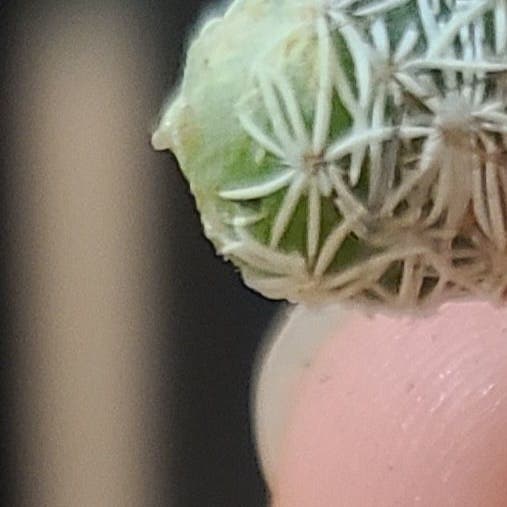
9 Plants That Thrive Alongside Button Cactus 🌵
Coryphantha erecta
By the Greg Editorial Team
Sep 28, 2024•4 min read
This article was created with the help of AI so we can cover more plants for you. May contain errors. See one? Report it here.
- 🌵 Echeveria and Sedum thrive alongside Button Cactus, sharing care needs and repelling pests.
- 🌿 Aloe Vera and Agave enhance soil health and add diversity in low-water conditions.
- 🌈 Companion planting boosts aesthetics and promotes a balanced ecosystem for your garden.
Best Companion Plants for Button Cactus
🌼 Echeveria
Echeveria is a fantastic companion for Button Cactus due to its similar care needs. Both plants thrive in well-draining soil and require minimal watering, making them perfect partners in your garden.
Visually, Echeveria adds a splash of color and variety with its diverse shapes. This aesthetic appeal beautifully complements the unique form of Button Cactus.
🌱 Sedum
Sedum is not just easy to care for; it also offers pest-repellent properties. This plant is known to deter common pests that can affect cacti, ensuring a healthier garden environment.
Moreover, Sedum thrives under similar conditions as Button Cactus. This compatibility fosters a harmonious garden space where both plants can flourish together.
🌿 Aloe Vera
Aloe Vera excels in drought tolerance, making it an excellent companion for Button Cactus. Both plants require low water levels, which simplifies care and maintenance.
Additionally, Aloe Vera improves soil health by enhancing aeration and nutrient availability. This benefit creates a more robust environment for all your plants.
🌵 Agave
Agave introduces structural diversity to your garden design. Its height and architectural interest contrast beautifully with the round shape of Button Cactus.
Like Button Cactus, Agave has low water requirements. This shared characteristic makes them ideal companions in a drought-tolerant garden.
🌞 Haworthia
Haworthia thrives in bright, indirect sunlight, matching the light needs of Button Cactus. This similarity ensures both plants receive optimal conditions for growth.
Aesthetically, Haworthia's compact form pairs well with Button Cactus. This visual harmony enhances the overall appeal of your garden.
🪨 Lithops
Lithops, often referred to as "living stones," provide a unique visual appeal. Their intriguing appearance offers a striking contrast to the Button Cactus.
Moreover, Lithops grow slowly, minimizing competition for resources. This slow growth allows them to coexist peacefully in shared spaces.
🌾 Yucca
Yucca plants are excellent for pest management, acting as natural deterrents for pests that may harm Button Cactus. This protective quality makes them a valuable addition to your garden.
Their upright growth habit also provides a striking contrast to the round shape of Button Cactus. This combination adds visual interest to your planting scheme.
🌿 Sansevieria
Sansevieria, or snake plant, is known for its air purification properties. It filters air pollutants, contributing to a healthier garden environment.
This resilient plant thrives in low-light and low-water conditions, making it a compatible neighbor for Button Cactus. Together, they create a thriving ecosystem.
🍃 Crassula
Crassula shares similar soil and watering needs with Button Cactus, ensuring compatibility in growth conditions. This makes it easier to maintain a cohesive planting strategy.
Visually, Crassula offers a variety of leaf shapes and colors. This textural contrast enhances the overall aesthetic of your garden, making it more dynamic.
Incorporating these companion plants can elevate your gardening experience. They not only thrive alongside Button Cactus but also enhance its beauty and resilience. Next, let’s explore which plants to avoid near Button Cactus for optimal growth.
Plants to Avoid Near Button Cactus
🌿 Ferns
Ferns are not ideal companions for Button Cactus. They thrive in higher moisture levels, which can lead to root rot in your cactus.
🍅 Heavy Feeders (e.g., Tomatoes)
Heavy feeders like tomatoes can compete for nutrients in the soil. This competition can deplete essential nutrients that Button Cactus needs to grow slowly and healthily.
💧 Moisture-Loving Plants (e.g., Impatiens)
Moisture-loving plants, such as impatiens, pose a significant risk. Their high water requirements can create an unsuitable environment, increasing the chances of root rot for your Button Cactus.
Choosing the right companions is crucial for the health of your Button Cactus. By avoiding these plants, you can create a thriving garden that supports your cactus's unique needs.
Summary of Companion Planting Benefits
Choosing the right companion plants for your Button Cactus can significantly enhance your garden's health and aesthetics. These plants not only share similar care requirements but also create a visually appealing landscape.
Companion planting promotes a balanced ecosystem, helping to deter pests and improve soil health. For instance, plants like Aloe Vera and Sedum can naturally repel harmful insects while enriching the soil.
Additionally, diverse plantings can lead to a more resilient garden. By incorporating various species, you create a habitat that supports beneficial insects and improves overall plant vigor.
Exploring companion planting strategies allows you to experiment with different combinations. This not only fosters creativity but also leads to a more dynamic and thriving garden environment.
Embrace the opportunity to cultivate a diverse garden that celebrates the unique qualities of each plant. Thoughtful companion planting can transform your space into a vibrant oasis, benefiting both your Button Cactus and your gardening journey.
⚠️ Safety First
This content is for general information and may contain errors, omissions, or outdated details. It is not medical, veterinary advice, or an endorsement of therapeutic claims.
Always consult a qualified healthcare professional before using any plant as food, medicine, or supplement.
Never eat any plant (or feed one to pets) without confirming its identity with at least two trusted sources.
If you suspect poisoning, call Poison Control (800) 222-1222, the Pet Poison Helpline (800) 213-6680, or your local emergency service immediately.
Spotted an error? Please report it here.
Transform your garden into a vibrant oasis by pairing your Button Cactus with companions like Echeveria and Aloe Vera, and let Greg's personalized care reminders 🌵 guide you to thriving plants!