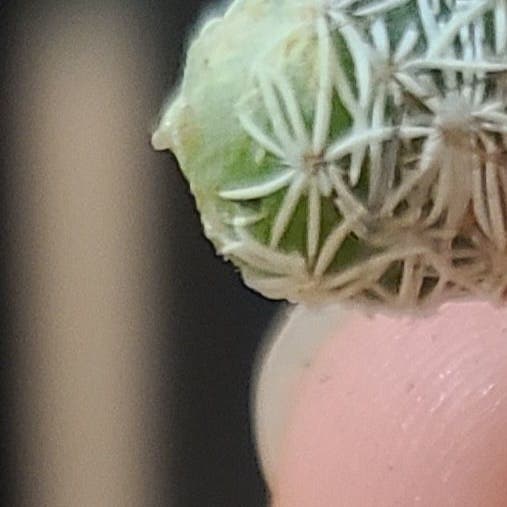
How to Fertilize Your Coryphantha erecta
Coryphantha erecta
By the Greg Editorial Team
Jun 18, 2024•3 min read
This article was created with the help of AI so we can cover more plants for you. May contain errors. See one? Report it here.
- Fertilize in spring/summer for best bloom; ease up in autumn.
- Choose a low-nitrogen fertilizer like 5-10-10 for cactus health.
- Monitor and adjust based on plant cues for perfect nutrient balance.
Timing is Everything: When to Fertilize
⏰ Syncing with the Growth Cycle
To maximize the bloom of your Coryphantha erecta, align fertilization with its growth cycle. During the active growth phase, typically spring and summer, your cactus is in beast mode, pushing out new growth and prepping for those spectacular blooms. This is when it's time to roll out the nutrient red carpet.
🍂 Seasonal Smarts
As the seasons shift, so should your fertilization game plan. Spring is your green light; it's when your cactus shakes off the winter chill and gets down to business. As autumn rolls in, it's time to ease up. Think of it as your plant's cue to start winding down for a cozy winter nap.

Choosing Your Plant's Meal: Selecting the Right Fertilizer
💡 Decoding the NPK Ratio
Coryphantha erecta, like any self-respecting cactus, has specific dietary needs. NPK ratio is the big three: nitrogen (N), phosphorus (P), and potassium (K). For this spiky friend, a low-nitrogen blend is key—think 5-10-10. Nitrogen is for the greenery, which isn't a cactus's showpiece. Phosphorus and potassium? They're the behind-the-scenes stars promoting root strength and resilience.
🍽️ Organic vs. Inorganic
Here's the dirt on fertilizers: organic options feed the soil, building a rich, sustainable foundation for long-term growth. They're the slow burners, releasing nutrients at a leisurely pace. Inorganic fertilizers are the sprinters, offering a quick nutrient hit. But beware, overuse can lead to the equivalent of a plant sugar crash. Your cactus craves balance, so whether you opt for organic or synthetic, moderation is your mantra.

Fertilization Techniques: How to Apply
💧 The Right Amount
Dosage is critical when fertilizing your Coryphantha erecta. Overzealousness can lead to nutrient overload, a surefire way to harm your spiky friend. Dilute your chosen fertilizer to 1/4-1/2 the strength recommended on the package. This cactus isn't chugging energy drinks—it's sipping green tea. Apply the diluted solution to moist soil to prevent root burn and promote even nutrient distribution.
📆 Frequency Matters
Fertilize your Coryphantha erecta once a month during its active growth phase in spring and summer. It's like a monthly check-in, not a daily nag. Use a balanced, water-soluble fertilizer, low in nitrogen, such as a 3-1-2 ratio. In the dormant winter months, give it a rest. Your cactus is napping, not running a marathon. Remember, less is more—this isn't a buffet, it's a carefully curated meal.

Keeping an Eye Out: Monitoring Plant Health
🚦 Reading the Signs
Your Coryphantha erecta is more than a spiky green friend; it's a barometer for its own well-being. Yellowing at the base? You might be giving it a nitrogen overdose. A bloomless existence? It's probably starving for nutrients. It's all about reading the room—or in this case, the pot.
🔄 Tweaking the Plan
When your cactus throws a curveball, it's time to switch up the game plan. Adjusting fertilization isn't just a suggestion; it's a survival tactic. If your plant's leaves are as lackluster as a washed-out watercolor painting, dial down the dosage. Conversely, if it's as barren as a desert in a drought, it's time to up the ante. Remember, it's a dance of give and take.
⚠️ Safety First
This content is for general information and may contain errors, omissions, or outdated details. It is not medical, veterinary advice, or an endorsement of therapeutic claims.
Always consult a qualified healthcare professional before using any plant as food, medicine, or supplement.
Never eat any plant (or feed one to pets) without confirming its identity with at least two trusted sources.
If you suspect poisoning, call Poison Control (800) 222-1222, the Pet Poison Helpline (800) 213-6680, or your local emergency service immediately.
Spotted an error? Please report it here.
Nurture your Coryphantha erecta to full bloom 🌼 with Greg's custom reminders that adapt to your cactus's unique feeding cycle and active growth needs.