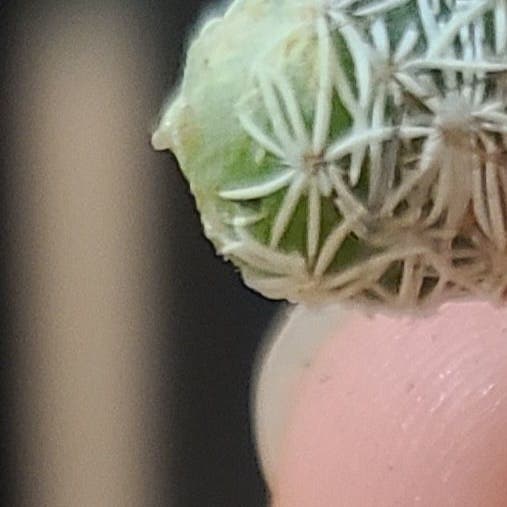
🌵 Why Button Cactus Is A Perennial Plant
Coryphantha erecta
By the Greg Editorial Team
Sep 28, 2024•5 min read
This article was created with the help of AI so we can cover more plants for you. May contain errors. See one? Report it here.
- 🌵 Button Cactus thrives for decades, thanks to its multi-year lifecycle and robust roots.
- 🌼 Flowers attract pollinators in spring and summer, enhancing reproduction and garden beauty.
- 💧 Efficient water storage makes Button Cactus resilient, perfect for diverse environments.
Characteristics of Button Cactus as a Perennial
Multi-Year Lifecycle 🌱
Button Cactus showcases a fascinating multi-year lifecycle that begins with seed germination. This initial stage transitions into juvenile growth, followed by maturity and eventual reproduction, allowing the plant to thrive for many years.
Under optimal conditions, Button Cactus can live for decades. Its longevity is a testament to its resilience and adaptability, making it a favorite among gardeners.
Growth Patterns and Regrowth from Roots 🌿
One of the standout features of Button Cactus is its robust root system. This unique growth pattern not only anchors the plant but also supports regrowth each year.
During the growing season, Button Cactus utilizes stored energy in its roots to fuel new growth. This efficient energy management allows it to bounce back even after harsh conditions, ensuring a vibrant display year after year.
With these remarkable characteristics, Button Cactus proves to be an exceptional perennial plant. Its lifecycle and growth patterns make it a reliable choice for gardeners looking to cultivate lasting beauty in their spaces.
Next, we will explore the flowering habits of Button Cactus and how they contribute to its overall lifespan.
Flowering and Lifespan
🌸 Flowering Habits
Button Cactus typically flowers in the warmer months, with blooming often occurring in late spring to early summer. This seasonal flowering is heavily influenced by environmental conditions, such as temperature and sunlight.
The flowers themselves are a sight to behold. They feature vibrant colors, often in shades of yellow, pink, or red, and can attract various pollinators, including bees and butterflies. The pollination process is crucial, as it ensures the continuation of the cactus's lifecycle.
⏳ Expected Lifespan and Longevity Factors
The average lifespan of a Button Cactus ranges from 10 to 30 years, depending on care and environmental conditions. Factors such as climate, soil quality, and water availability play significant roles in determining how long these resilient plants thrive.
Soil quality is particularly important; well-draining soil can prevent root rot and promote healthy growth. Additionally, adequate sunlight and proper watering practices can significantly enhance the cactus's longevity, allowing it to flourish for decades.
In summary, understanding the flowering habits and lifespan of Button Cactus not only enriches your gardening experience but also helps you appreciate the resilience of this remarkable plant. Next, we’ll explore the dormancy periods and how seasonal changes impact its growth.
Dormancy and Seasonal Changes
Dormancy Periods 🌙
Dormancy in Button Cactus occurs during the colder months, characterized by a significant slowdown in growth. This period is essential for the plant, allowing it to conserve energy and resources.
During dormancy, Button Cactus enters a state of rest, which prepares it for the next growth cycle. This energy conservation is crucial for its survival, enabling the plant to thrive when conditions improve.
Seasonal Changes Affecting Growth 🌼
As seasons change, so do the growth patterns of Button Cactus. In spring and summer, you’ll notice a burst of growth, with vibrant green pads emerging as the plant absorbs sunlight and warmth.
Conversely, in fall and winter, growth slows considerably. Environmental triggers like temperature drops and reduced daylight signal the cactus to prepare for dormancy, ensuring it remains resilient through harsher conditions.
Understanding these seasonal dynamics is vital for any gardener looking to cultivate a thriving Button Cactus. By recognizing when your plant is resting versus actively growing, you can provide the right care at the right time.
This knowledge sets the stage for exploring the advantages of Button Cactus for gardeners, particularly its perennial nature and how to maximize its benefits.
Advantages for Gardeners
🌱 Benefits of Perennial Nature
One of the standout advantages of Button Cactus is its perennial nature. This means you won't need to replant it every year, saving you time and effort.
Established root systems are another major benefit. These deep roots allow the cactus to efficiently absorb water and nutrients, making it a resilient choice for your garden.
📈 Long-Term Cultivation Strategies
When planning your garden, consider how to incorporate Button Cactus for sustained growth. Think about its placement and how it complements other plants.
Maintenance is key to maximizing the benefits of your Button Cactus. Regular checks for pests and ensuring proper watering can help keep your cactus thriving for years to come.
By understanding these advantages and strategies, you can enjoy a flourishing garden that stands the test of time. Next, let’s explore how climate zone variations influence the growth of Button Cactus.
Climate Zone Variations
🌍 Variations in Behavior Across Climates
Climate zones significantly influence the growth and flowering of Button Cactus. In warmer regions, these cacti thrive, often producing vibrant blooms, while cooler climates may slow their growth and flowering cycles.
Button Cactus has adapted to various conditions, showcasing resilience. Its ability to store water in its fleshy stems allows it to endure droughts, making it a hardy choice for diverse environments.
🌱 Tips for Maximizing Benefits
To maximize the benefits of Button Cactus, tailor your care strategies based on your climate zone. For instance, in hotter areas, ensure adequate watering during the growing season, while in cooler zones, reduce watering to prevent root rot.
Seasonal adjustments are crucial. Modify your fertilization schedule to align with the cactus's active growth periods, ensuring it receives the nutrients it needs when it needs them most.
By understanding these climate variations and adjusting your care accordingly, you can enjoy the long-lasting beauty of Button Cactus in your garden. This adaptability not only enhances its growth but also enriches your gardening experience.
⚠️ Safety First
This content is for general information and may contain errors, omissions, or outdated details. It is not medical, veterinary advice, or an endorsement of therapeutic claims.
Always consult a qualified healthcare professional before using any plant as food, medicine, or supplement.
Never eat any plant (or feed one to pets) without confirming its identity with at least two trusted sources.
If you suspect poisoning, call Poison Control (800) 222-1222, the Pet Poison Helpline (800) 213-6680, or your local emergency service immediately.
Spotted an error? Please report it here.
Ensure your Button Cactus thrives for decades of beauty 🌼 with Greg's personalized care tips and watering reminders tailored just for your plant!