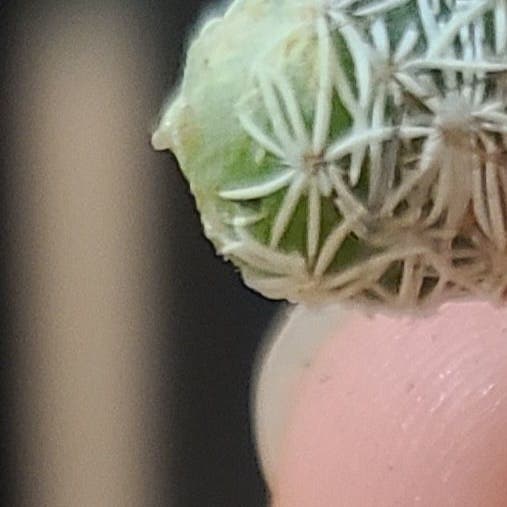
🌵 Does My Coryphantha erecta Need Direct Sunlight?
Coryphantha erecta
By the Greg Editorial Team
Jun 18, 2024•5 min read
This article was created with the help of AI so we can cover more plants for you. May contain errors. See one? Report it here.
- 🌵 Direct sunlight is crucial for Coryphantha erecta's growth and blooming.
- Window direction matters; south-facing is best, north-facing is insufficient.
- Watch for sunburn signs, like brown patches; adjust exposure accordingly.
Sunlight and Coryphantha erecta: A Love Story?
🌞 What Does Direct Sunlight Mean for Your Cactus?
Direct sunlight is like front-row seats at a concert for your Coryphantha erecta, while indirect light is akin to listening from the parking lot. This cactus craves the spotlight, thriving under the unfiltered attention of the sun's rays. Indoors, it's a simple equation: more sun equals more joy for your spiky friend.
🌞 Can Coryphantha erecta Handle the Heat?
Absolutely. This cactus is a sun worshipper, with a sunbathing threshold that would make a beach-goer jealous. Its native desert habitat has shaped it to bask and flourish under scorching conditions. However, too much of a good thing can lead to leaf burn, so keep an eye out for white or dark spots – a cry for help. Remember, the sun moves, so a perfect spot in spring could become an oven by summer. Stay vigilant and adjust accordingly.

Windows: The Stage for Sunlight Drama
🌞 Direction Matters: North, South, East, or West?
Window direction is crucial for your Coryphantha erecta's sun intake. South-facing windows are the solar powerhouses, dishing out the most consistent direct sunlight—your cactus's version of a five-star resort. East-facing windows offer a gentle morning hello of light, perfect for a cactus that prefers a softer wake-up call. West-facing windows? They're like an intense afternoon gym session, full of bright light that can be too much for your spiky friend if left unchecked. And north-facing windows, well, they're the chill zones with minimal light, not enough for your sun-loving cactus.
🌍 Hemisphere Highlights: A North-South Divide
Your global address plays a part in your cactus's sunbathing habits. In the Northern Hemisphere, south-facing windows are the go-to for maximum sunlight. Flip the script in the Southern Hemisphere, where north-facing windows are the gold standard. But regardless of hemisphere, remember to keep an eye on your cactus for signs of sunburn or shade-seeking behavior. Adjust its spot with the seasons to ensure it gets the right amount of sun without turning into a crispy critter.

When the Sun Gets Too Bold: Protecting Coryphantha erecta
🌞 Signs Your Cactus Might Be Sunburned
Browned, crispy patches on your Coryphantha erecta are a red flag—it's sunburned. The most exposed areas will show signs first, looking bleached or scorched. If your cactus is throwing shade by sporting reddish hues, it's not trying to be trendy; it's sun-stressed.
🌞 Sunlight Management Strategies
Positioning is key. Move your cactus to a spot with bright, indirect light for about 5-6 hours daily. Think of it as putting your plant in the sun's VIP lounge, away from the harsh spotlight. Shading can be as simple as a sheer curtain—a cactus's equivalent of a parasol. As for timing, remember the sun's path changes with the seasons. Stay vigilant and shuffle your spiky friend around as needed. If you've caught the burn early, a cooler, shadier spot can help your cactus bounce back. It's like giving it aloe after a bad sunburn—except, you know, for a plant.

Blooming in the Right Light: Direct Sunlight and Flowering
🌞 The Connection Between Sunlight and Showtime
Direct sunlight isn't just a nice-to-have for Coryphantha erecta; it's a must for those hoping to see its flowers. Just like a well-timed drumroll before the curtain rises, the right amount of direct sunlight cues the cactus to start its floral show.
Too much sun, and the plant might as well take an unscheduled bow, with flowers getting scorched before they can even dazzle. Too little, and you'll be stuck with a green thumbed-down performance, as the cactus holds back its blooms. It's about striking that delicate balance, like a tightrope walker making it look easy when we know it's anything but.
In its native habitat, Coryphantha erecta is accustomed to the full glare of the sun, yet even sun-lovers have their limits. Morning light tends to be gentler, so a spot that catches those early rays could be your ticket to a blooming marvel. On the flip side, the intense midday sun can be the villain of this story, potentially leaving your cactus with a bad case of sunburn instead of a crown of flowers.
Remember, as seasons change, so does the sun's intensity. Keep an eye on your spiky friend and adjust its exposure accordingly. It's like being a DJ for sunlight, knowing just when to turn up the brightness and when to dial it back.
And if your home is more cave than conservatory, don't throw in the trowel just yet. LED grow lights can step in as understudies, providing that spotlight your cactus needs without the risk of sunburn. Just make sure you're not overdoing it; even artificial lights need to know when to take a bow.
Ultimately, watching your Coryphantha erecta bloom is a bit like catching a rare performance that only happens under the right stage lighting. Get the conditions right, and you'll be rewarded with a show that's worth every bit of the effort.
⚠️ Safety First
This content is for general information and may contain errors, omissions, or outdated details. It is not medical, veterinary advice, or an endorsement of therapeutic claims.
Always consult a qualified healthcare professional before using any plant as food, medicine, or supplement.
Never eat any plant (or feed one to pets) without confirming its identity with at least two trusted sources.
If you suspect poisoning, call Poison Control (800) 222-1222, the Pet Poison Helpline (800) 213-6680, or your local emergency service immediately.
Spotted an error? Please report it here.
With Greg's personalized care, you can master the art of positioning for your Coryphantha erecta 🌞, ensuring it gets just the right amount of sunlight without the risk of sunburn.