🌵 8 Key Factors in Choosing a Button Cactus Pot
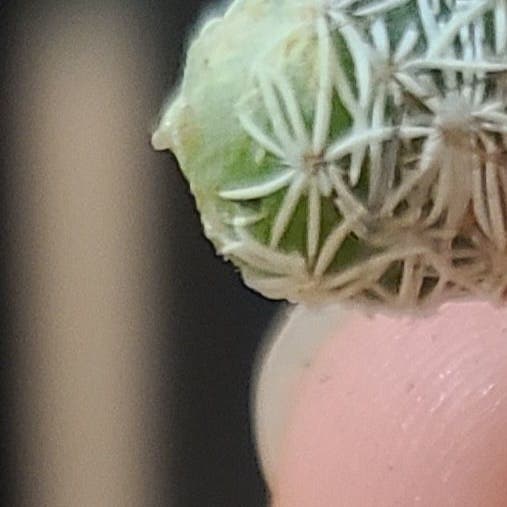
Coryphantha erecta
By the Greg Editorial Team
Sep 28, 2024•5 min read
This article was created with the help of AI so we can cover more plants for you. May contain errors. See one? Report it here.
- 🌱 Choose pot size wisely: 2-4 inches for seedlings, 6-10 for mature cacti.
- 🏺 Clay pots prevent overwatering, while plastic retains moisture; choose based on needs.
- 🚫 Always ensure drainage holes: 2-3 holes are essential to avoid root rot.
Pot Sizes for Different Growth Stages
🌱 Seedling Stage
For your button cactus seedlings, a pot size of 2-4 inches in diameter is ideal. This snug fit helps prevent overwatering, ensuring your young plants thrive without drowning.
🌵 Juvenile Stage
As your cactus grows, transition to a pot size of 4-6 inches in diameter. This allows for root expansion while still maintaining moisture control, striking a balance that keeps your plant healthy.
🌞 Mature Stage
When your button cactus reaches maturity, opt for a pot size between 6-10 inches in diameter. A larger pot provides the stability needed for these bigger specimens, supporting their growth and preventing tipping.
Choosing the right pot size at each growth stage is crucial for the health of your button cactus. With the right fit, you can nurture your plant effectively and watch it flourish.
Ideal Pot Materials
🌱 Clay Pots
Clay pots are a popular choice for button cacti due to their breathable nature. This allows moisture to evaporate, reducing the risk of overwatering, while their heavyweight design provides stability for your plants.
However, they can dry out quickly, which means you'll need to water more frequently. To maximize their effectiveness, always ensure that your clay pots have proper drainage holes.
🧊 Plastic Pots
On the other hand, plastic pots are lightweight and excellent at retaining moisture. This can be a boon for busy plant parents who might forget to water occasionally.
Yet, their less breathable nature can lead to root rot if drainage isn’t adequate. To avoid this, opt for plastic pots that come with ample drainage holes to keep your button cactus healthy.
⚖️ Choosing the Right Material
When selecting between clay and plastic, consider your watering habits and the specific needs of your button cactus. Each material has its pros and cons, so understanding your plant's requirements will help you make the best choice.
In summary, both clay and plastic pots can work well for button cacti, but the key is to ensure proper drainage. Now that you know about pot materials, let’s dive into the importance of drainage holes for your cactus.
Importance of Drainage Holes
Drainage holes are crucial for the health of your Button Cactus. They prevent water accumulation, which can lead to root rot—a common issue that can quickly turn your thriving plant into a wilted mess.
🕳️ Recommended Number of Drainage Holes
For optimal drainage, aim for at least 2-3 holes in pots under 6 inches in diameter. Larger pots should have additional holes to ensure excess water can escape freely.
🚰 Why Drainage Matters
Without adequate drainage, water can pool at the bottom of the pot. This stagnant water suffocates roots and creates a breeding ground for harmful bacteria.
🌱 Choosing the Right Pot
When selecting a pot, always prioritize those with sufficient drainage features. This simple step can save you from the headache of dealing with root rot down the line.
💭 Final Thoughts
Incorporating proper drainage into your pot selection is a small but mighty step toward ensuring your Button Cactus thrives. With the right care, your cactus can flourish beautifully, setting the stage for the next topic on repotting.
Repotting Button Cactus
When to Repot 🌱
Repotting your Button Cactus is essential for its health and growth. Look for key indicators that signal it's time to make a move.
- Roots Visible: If you see roots poking through the drainage holes, it's a clear sign.
- Quick Drying Soil: If the soil dries out too fast after watering, your cactus may be outgrowing its pot.
- Stunted Growth: If your cactus isn't thriving despite proper care, it might need more space.
For frequency, mature Button Cacti should be repotted every 2-3 years. Younger plants, however, benefit from annual repotting to keep them healthy and growing.
Choosing the Right Pot During Repotting 🪴
Selecting the right pot is crucial for your cactus's continued success. Follow these steps to ensure you make the best choice.
- Assess Current Pot Size: Check the current pot and root health to gauge how much space is needed.
- Select a New Pot: Choose a pot that is 1-2 inches larger in diameter to give your cactus room to grow.
- Ensure Adequate Drainage: Look for pots with sufficient drainage holes to prevent water accumulation.
- Choose the Right Material: Pick a pot material that aligns with your watering habits—clay for quick drying or plastic for moisture retention.
- Prepare Suitable Potting Soil: Use potting soil specifically formulated for Button Cacti to provide the right nutrients.
By following these guidelines, you can ensure your Button Cactus thrives in its new home. Next, let’s explore common mistakes to avoid when selecting pots.
Common Mistakes in Pot Selection
Overly Large or Small Pots 🌱
Choosing the wrong pot size can lead to significant issues for your Button Cactus. Oversized pots can trap excess moisture, increasing the risk of overwatering and root rot.
Conversely, pots that are too small can stunt growth and lead to root-bound conditions. This can severely limit the plant's ability to thrive.
Ignoring Drainage Needs 🚰
Drainage is crucial for the health of your cactus. Without adequate drainage holes, water can accumulate, leading to root rot and overall poor plant health.
Make sure to check the number of drainage holes in your pot. A lack of these can turn your cactus care routine into a nightmare.
Choosing Non-Breathable Materials 🏺
The material of your pot plays a significant role in your cactus's well-being. Non-breathable pots can restrict air circulation, trapping moisture and creating a breeding ground for root rot.
Opt for breathable materials like clay to ensure your Button Cactus gets the airflow it needs. This simple choice can make a world of difference in your plant's health and longevity.
Understanding these common mistakes can help you make informed decisions when selecting pots for your Button Cactus. With the right pot, your cactus will flourish, setting the stage for the next steps in its care.
⚠️ Safety First
This content is for general information and may contain errors, omissions, or outdated details. It is not medical, veterinary advice, or an endorsement of therapeutic claims.
Always consult a qualified healthcare professional before using any plant as food, medicine, or supplement.
Never eat any plant (or feed one to pets) without confirming its identity with at least two trusted sources.
If you suspect poisoning, call Poison Control (800) 222-1222, the Pet Poison Helpline (800) 213-6680, or your local emergency service immediately.
Spotted an error? Please report it here.
Select the perfect pot for your button cactus 🌵 with Greg's tailored reminders and expert tips, ensuring it thrives and grows beautifully!