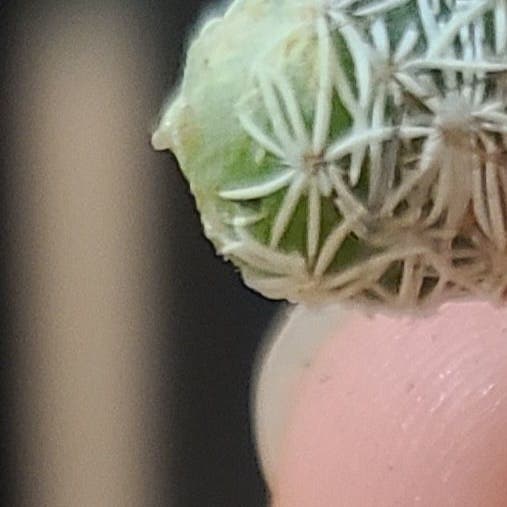
🌵 What Should I Do When Coryphantha erecta Leaves Turn Yellow?
Coryphantha erecta
By the Greg Editorial Team
Jun 18, 2024•6 min read
This article was created with the help of AI so we can cover more plants for you. May contain errors. See one? Report it here.
- Yellow leaves signal trouble, like over/underwatering, pests, or nutrient issues.
- Adjust watering and soil for proper drainage and balanced moisture.
- Regular inspections and care prevent yellowing and maintain cactus health.
Spot the Signs: Yellow Leaves on Your Cactus
🚨 Identifying the Yellow Peril
Yellowing leaves on your Coryphantha erecta are like a check engine light; they're a signal something's amiss. Color change is the most obvious symptom, but don't stop there. Look for brown spots or a general lack of spunk in your spiky friend.
🕵️ Beyond the Color: Other Symptoms to Watch For
Cacti don't just turn yellow for fun. Check for pests—those little critters can wreak havoc. Also, keep an eye out for soft spots or a foul odor from the soil, which could indicate rot or fungal issues.
⏰ When to Worry
Yellow isn't always a death sentence. It can be a sign of natural aging. But if your cactus is more yellow than a school bus, it's time to worry. Dropping leaves or a sudden color change are your cues to take action.

The Usual Suspects: Pinpointing the Culprit
💧 Too Much H2O: The Overwatering Problem
Signs of Soggy Sorrow
Yellowing leaves on your Coryphantha erecta might scream overwatering. If your cactus feels like a squishy, waterlogged sponge, it's time to rethink your watering habits. A soil scent that's off or a pot that's too big can create a moisture marathon no cactus wants to run.
Quick Fixes for Waterlogged Roots
First, let the soil go Sahara before watering again. If the pot's a swamp, consider a repotting intervention with a well-draining mix and a pot that understands the concept of personal space for roots. Remember, your cactus is not a fish; it's a desert native.
🏜️ Thirsty Thorns: Could It Be Underwatering?
Dry Tales: Recognizing a Thirsty Cactus
A parched Coryphantha erecta is a pitiful sight, with wilted, shriveled leaves and browning tips. The soil will be bone-dry, echoing the silence of a desert. It's a clear signal your cactus is holding up a "Need Water" sign.
Balancing the Water Budget
When rehydrating, think cactus spa, not pool party. Submerge the pot briefly for even moisture, then let the soil's surface guide you—only damp, not drenched. Going forward, water when the soil feels like a dry summer day, and do so sparingly.
🌧️ Drainage Drama: Is Your Potting Mix the Problem?
The Perils of Poor Drainage
If your cactus is sitting in soil that's as dense as a brick, it's a no-go. Poor drainage can lead to a soggy root system, which is a one-way ticket to root rot city.
Soil Solutions: Getting the Mix Right
Upgrade your cactus's living quarters with a soil mix that's as loose and airy as a cloud. Ensure the pot has drainage holes that aren't just for decoration but serve as an escape route for excess water.
🥗 Hungry Cactus: Spotting Nutrient Deficiencies
Yellow Flags for Nutrient Needs
If your cactus's yellowing leaves were a neon sign, they'd be flashing "Feed Me!" Nutrient deficiencies can cause discoloration, but don't jump the gun—first, rule out other suspects.
Feeding Your Cactus: What and How Much?
Choose a fertilizer that's like a gourmet meal for cacti—balanced and not too heavy. Overfeeding is akin to force-feeding; it does more harm than good. Less is often more.
🐜 Uninvited Guests: Dealing with Pests
Telltale Signs of Tiny Terrors
Pests are like that one guest who crashes the party and refuses to leave. Look for unusual spots or insects that seem to have made your cactus their new home.
Evicting Pests: Safe and Effective Methods
Start with natural remedies; they're like the polite bouncer who gets the job done without a fuss. If the infestation is stubborn, it might be time to bring in the chemical cavalry, but use them as a last resort.

Cactus CPR: Reviving Your Yellowing Coryphantha erecta
💧 Watering Woes: Adjusting Your Approach
Fine-tuning your watering routine is crucial. Overwatering can drown your cactus's roots, while underwatering leaves it parched. Use a moisture meter or the trusty finger test—stick it in the soil; if it's dry a couple of inches down, it's time to water.
Tools and techniques for proper watering include using a watering can with a long spout for targeted hydration, and allowing excess water to drain freely. Remember, it's better to underwater than overwater.
🏜️ Soil and Drainage: Laying the Foundation for Health
Upgrading your cactus's living quarters can be a game-changer. Ensure the pot has drainage holes to prevent water from pooling at the bottom.
The best soil mixtures for Coryphantha erecta mimic their natural habitat—fast draining and gritty. A mix of potting soil, coarse sand, and perlite or pumice will do the trick. This setup allows for quick water runoff, preventing root rot.
🍽️ Nutrient Know-How: Feeding Your Cactus Right
Choosing the right fertilizer is like picking a fine wine—it should complement the cactus, not overpower it. A balanced, water-soluble fertilizer, diluted to half strength, works well during the growing season.
Timing is everything—apply fertilizer during the active growing months, sparingly. Overfeeding can cause more harm than good, leading to nutrient burn.
🐜 Pest Patrol: Keeping the Critters at Bay
Prevention is the best defense against pests. Inspect your cactus regularly for signs of infestation. If you spot trouble, isolate the plant to prevent spread.
For natural remedies, neem oil or insecticidal soap can evict most pests. If the infestation is severe, you might need to resort to chemical treatments. Always follow the instructions to avoid harming your cactus.

Keeping It Green: Preventing Yellow Leaves in the Future
💧 Consistency is Key: Watering Schedules That Work
Crafting a watering calendar for your cactus is like setting up a coffee date with Mother Nature. Stick to it religiously, adjusting only for the cactus's seasonal mood swings.
🌱 The Right Stuff: Choosing and Maintaining the Perfect Soil
Periodic soil checks are the unsung heroes of cactus care. Refresh that gritty mix before your cactus throws a fit. It's all about that perfect pH harmony.
👀 Vigilant Gardening: Regular Inspections for Early Detection
Creating a cactus check-up routine is your best defense. It's like a wellness check for your spiky buddy, catching tantrums before they turn into full-blown meltdowns.
🌞 Living Conditions: Ensuring Optimal Light and Temperature
Finding the sweet spot for your cactus is a bit like matchmaking. Too much sun and it's a crispy critter; too little and it's a wallflower. Aim for that just-right glow.
⚠️ Safety First
This content is for general information and may contain errors, omissions, or outdated details. It is not medical, veterinary advice, or an endorsement of therapeutic claims.
Always consult a qualified healthcare professional before using any plant as food, medicine, or supplement.
Never eat any plant (or feed one to pets) without confirming its identity with at least two trusted sources.
If you suspect poisoning, call Poison Control (800) 222-1222, the Pet Poison Helpline (800) 213-6680, or your local emergency service immediately.
Spotted an error? Please report it here.
Safeguard your Coryphantha erecta from yellowing leaves with Greg's diagnostic insights 🌵, balancing water and nutrients for a thriving cactus.