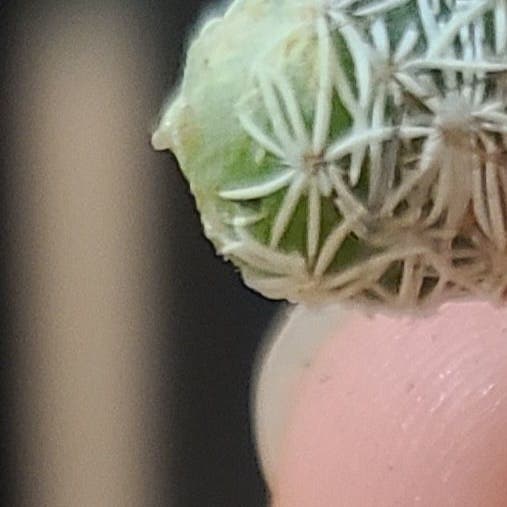
🌵 How Much Should I Water My Coryphantha erecta?
Coryphantha erecta
By the Greg Editorial Team
Jun 18, 2024•4 min read
This article was created with the help of AI so we can cover more plants for you. May contain errors. See one? Report it here.
- Check soil dryness before watering; first knuckle test is key.
- Seasons dictate water needs: more in summer, less in winter.
- Soak and dry method: water thoroughly, then wait for dry soil.
When to Water Your Spiky Friend
💧 Reading the Soil's Mood
Dry as a bone? That's your cue to water. Stick your finger in the soil up to the first knuckle—if it's parched, your cactus is begging for a drink. But if it's got that damp feel, back off. Overeager watering is the fast track to root rot city.
🌞 Seasonal Thirst Levels
During the summer blaze, your cactus guzzles more to keep up with its growth spurt. But when winter rolls in, it's more of a light sipper. Less is more when your spiky friend is in its cool-weather slumber.

How to Water Coryphantha erecta Properly
💦 The Soak and Dry Technique
Watering your Coryphantha erecta isn't rocket science, but it does demand a bit of finesse. Soak the soil until it's drenched—think monsoon, not mist. Then, switch to a desert mindset and let that soil go bone-dry before even thinking about another watering session.
⏳ The Waiting Game
Patience is a virtue, especially when it comes to cacti. After a thorough soaking, give your plant a dry spell. This mimics their natural habitat and ensures you don't drown the roots in enthusiasm.
🌱 Pot and Soil: The Dynamic Duo
The right pot size and drainage are your best friends here. Too big, and the soil stays wet longer than a fish's handshake. Too small, and you'll be watering more often than you check your phone.
🌵 Choosing the Right Soil Mix
Get your hands on a soil mix that's one part sand, one part sun-dried wishes. Okay, maybe not wishes, but definitely something that drains faster than a sink with no stopper. A mix of peat moss and perlite can work wonders for moisture control.

Recognizing the SOS Signals
🚱 The Plight of Overindulgence
Yellow leaves and mushy stems are your Coryphantha erecta's way of saying, "I've had too much!" Overwatering can lead to a host of issues, including root rot, which is as bad as it sounds. If the soil smells like a forgotten gym locker, it's time to cut back on the H2O.
To solve overwatering, first, let the soil dry out. Consider a soil switch to a mix with better drainage. If the pot feels heavier than your last breakup, it's waterlogged. Ensure your pot has proper drainage holes to prevent future water hostage situations.
💦 The Cry for More
Wilting, crispy leaves, and slowed growth are your cactus crying out for hydration. Underwatering can make your plant look more lifeless than a teenager before coffee. If the pot is lighter than your conscience after a good deed, it's time to water.
To address underwatering, increase the watering frequency carefully. The goal is moist, not soggy soil. Think of it as a plant spa day—enough water to feel pampered, but not so much that it's drowning in luxury. Keep an eye on the plant's response; a quick perk-up means you've hit the sweet spot.

Tailoring the Watering Schedule
⛅️ Weathering the Weather
Adapting your Coryphantha erecta's watering routine to temperature and humidity is crucial. In the heat of summer, your spiky friend's thirst increases, potentially needing weekly waterings. Conversely, during the cooler months, it's all about restraint; let the soil become bone-dry before even thinking about giving it a drink. Always remember, a cactus basks in the desert's embrace, not a tropical rainforest's hug.
💧 Life Stages and Water Gauges
Growth and dormancy periods dictate your cactus's water needs. When it's in the throes of an active growing phase, it's like a teenager after sports practice — always ready for a refill. But when it's dormant, it's more like a monk in meditation — serene and needing very little. Adjust your watering frequency accordingly, and you'll have a cactus that's not just surviving, but thriving.
⚠️ Safety First
This content is for general information and may contain errors, omissions, or outdated details. It is not medical, veterinary advice, or an endorsement of therapeutic claims.
Always consult a qualified healthcare professional before using any plant as food, medicine, or supplement.
Never eat any plant (or feed one to pets) without confirming its identity with at least two trusted sources.
If you suspect poisoning, call Poison Control (800) 222-1222, the Pet Poison Helpline (800) 213-6680, or your local emergency service immediately.
Spotted an error? Please report it here.
Nurture your Coryphantha erecta 🌵 to perfection with Greg's custom watering reminders, adapting to every season and growth stage for a happy, healthy cactus.