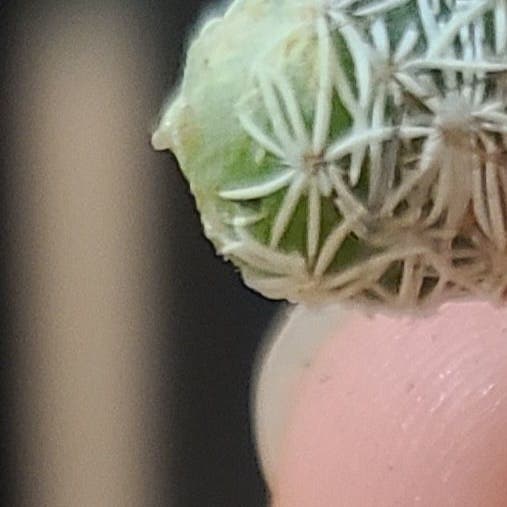
🌵 Why Are There Black Spots on My Coryphantha erecta Leaves?
Coryphantha erecta
By the Greg Editorial Team
Jun 18, 2024•4 min read
This article was created with the help of AI so we can cover more plants for you. May contain errors. See one? Report it here.
- Fungi, bacteria, or stress cause black spots on Coryphantha erecta.
- Diagnose with visual clues like dark margins and other symptoms.
- Prevent with care adjustments and regular plant check-ups.
Spotting the Culprits: Causes of Black Spots
🍄 Fungal Foes
Fungi love a party, and your Coryphantha erecta's leaves might just be the venue. Overwatering or high humidity sets the stage for a fungal fiesta. Anthracnose and Glomerella are the usual suspects, turning small yellow spots into a blackened mess. It's like your plant's own horror show.
🦠 Bacterial Baddies
Bacteria are the stealthy ninjas, exploiting any cuts to launch an attack. They thrive in prolonged wetness, creating spots that look water-soaked or slimy. A foul smell? That's the bacteria's calling card. It's a sign to change your plant care tactics, stat.
🌿 Environmental Stressors
Sometimes, it's not a pathogen but stress that's the villain. Poor air circulation or incorrect lighting can make your plant's leaves the canvas for black spots. It's like they're crying out in a language of blotches and blemishes.

Playing Detective: How to Diagnose Black Spots
🔍 Visual Clues
In the quest to unmask the mystery of black spots on your Coryphantha erecta, start with a visual inspection. These spots are typically minuscule, dark, and can rapidly evolve from tiny specks to larger blotches. They're not just surface-level issues; they're symptoms of a deeper problem.
Flip the leaves and examine the undersides—black spots love to start their stealthy invasion there. Look for spots with dark margins or concentric rings, which are telltale signs of an infection. It's like catching a typo before you hit send; early detection is crucial.
🕵️♂️ Behavioral Evidence
But don't stop at appearances. Black spots are often accompanied by other symptoms that can provide clues to the underlying issue. If your cactus is also experiencing a decline in vigor or yellowing leaves, it's a sign that the spots are more than just a cosmetic annoyance.
Observe how your plant reacts to changes in care. If conditions improve but the spots persist or worsen, it's time to suspect a fungal infection. Remember, healthy leaves should be spot-free, so any deviation from this norm could indicate a deeper issue.
Keep an eye out for sticky residue, which might suggest insect activity and sooty mold. And don't confuse black spots with natural variegation or harmless marks. If you're stumped, consulting a plant pathologist or a trusted nursery can provide a more definitive diagnosis and treatment plan.

The Rescue Plan: Treating Black Spots
🍄 Fungicide to the Rescue
When black spots mar your Coryphantha erecta, fungicides are the go-to fix. Organic options like a baking soda and liquid soap mix can be a gentle start. For tougher cases, reach for copper-based or thiophanate-methyl fungicides. Remember, the label is your bible here; follow it to the letter to avoid harming your plant.
🦠 Battling Bacteria
If bacteria are the villains, copper-based solutions can double as your antibacterial agents. Just as you wouldn't use a sledgehammer to crack a nut, use these treatments sparingly to target the problem without collateral damage.
🌱 Adjusting Care
Lastly, let's tweak that care routine. Water at the base to avoid wetting the leaves—think of it as a covert operation to keep the foliage dry. Ensure your cactus gets the right amount of light without scorching it. And for the love of plants, use well-draining soil to prevent water from throwing a pool party for pathogens.

Keeping Spots at Bay: Prevention Strategies
🌵 Cultural Practices
Sunlight and airflow are vital. Mimic the cactus's natural habitat to keep it robust. Ensure it's not pampered into weakness; tough love is key. Rotate its location occasionally to discourage pests from getting too comfortable.
Watering should be stealthy and precise. Aim for the base, not the leaves, to prevent fungal parties. Consistency is crucial—water when the topsoil is dry, and reduce frequency during the cactus's dormant phase.
🕵️ Monitoring and Maintenance
Regular inspections are non-negotiable. Like checking your phone first thing in the morning, make it a routine to look for early signs of pests or disease. If you spot trouble, act fast with insecticidal soap or neem oil.
Cleanliness is your cactus's best friend. Keep the area debris-free to avoid giving pests a place to party. Use clean pots and tools to prevent disease spread—think of it as plant hygiene.
Preventive measures against excess moisture include avoiding water-trapping saucers and keeping humidifiers at a distance. If pests are spotted, introduce natural predators or use organic pesticides to maintain balance.
Physical barriers can protect your cactus from pets and other physical hazards. Consider placing it out of reach or using deterrents to maintain a safe environment for both your cactus and your furry friends.
By implementing these strategies, you're not just reacting to problems; you're building a fortress of prevention around your Coryphantha erecta.
⚠️ Safety First
This content is for general information and may contain errors, omissions, or outdated details. It is not medical, veterinary advice, or an endorsement of therapeutic claims.
Always consult a qualified healthcare professional before using any plant as food, medicine, or supplement.
Never eat any plant (or feed one to pets) without confirming its identity with at least two trusted sources.
If you suspect poisoning, call Poison Control (800) 222-1222, the Pet Poison Helpline (800) 213-6680, or your local emergency service immediately.
Spotted an error? Please report it here.
Keep your Coryphantha erecta thriving 🌵 with Greg's tailored reminders for watering and sunlight, ensuring you prevent those pesky black spots with ease.