🌸 Top 6 Signs Your Button Cactus Has Flower Problems
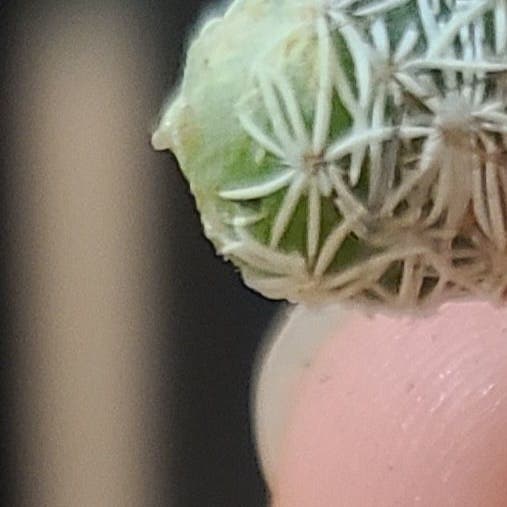
Coryphantha erecta
By the Greg Editorial Team
Sep 28, 2024•4 min read
This article was created with the help of AI so we can cover more plants for you. May contain errors. See one? Report it here.
- 🌸 Lack of blooms signals problems; check care and environment immediately.
- 🌡️ Temperature extremes and light issues hinder flowering; adjust conditions for success.
- 💧 Over or underwatering stresses your cactus; maintain consistent watering practices.
Signs of Flowering Issues
🌸 Identifying Flowering Problems
Noticing a lack of blooms during the expected bloom cycle, typically from late spring to early summer, is a clear sign your button cactus may be struggling. This absence of flowers can be disheartening, especially when you’ve anticipated their vibrant display.
Stunted or deformed flowers that fail to open fully are another red flag. These issues can indicate underlying problems that need addressing to ensure your cactus thrives.
Premature flower drop is also common, where buds fall off before they can fully develop. This not only affects the beauty of your plant but can also signal stress or other issues.
Lastly, keep an eye out for yellowing or shriveling of flower buds. These symptoms often point to environmental or care-related problems that require immediate attention.
Recognizing these signs early can help you take action and restore your cactus to its blooming glory. Next, let’s explore the common causes behind these flowering issues.
Common Causes of Flower Failure
🌤️ Environmental Factors
Insufficient light exposure can lead to weak growth in your button cactus. Without adequate sunlight, the plant struggles to produce blooms during its expected cycle.
Temperature also plays a crucial role. If conditions are too cold or too hot, it can disrupt the bloom cycle, leaving you with fewer flowers than anticipated.
💧 Watering Issues
Overwatering is a common pitfall that can lead to root rot. This condition not only affects the health of the plant but also inhibits flowering.
On the flip side, underwatering can cause stress. When a cactus is deprived of water, it may reduce flower production as it prioritizes survival over blooming.
🌱 Nutritional Deficiencies
A lack of essential nutrients can significantly impact flower development. If your cactus isn't getting what it needs, you might notice fewer blooms or even deformed flowers.
Soil quality is equally important. Poor soil can limit nutrient availability, making it harder for your cactus to thrive and produce beautiful flowers.
Understanding these common causes can help you take proactive steps to ensure your button cactus blooms beautifully. Next, let’s explore solutions to address these flowering problems effectively.
Solutions for Flowering Problems
🌱 Adjusting Care Practices
To encourage your button cactus to bloom beautifully, start with proper watering techniques. Overwatering can lead to root rot, which stifles flowering, so ensure your watering routine is just right.
Next, focus on the soil. Using well-draining soil is crucial for promoting healthy root systems. This allows your cactus to absorb nutrients effectively, setting the stage for vibrant blooms.
☀️ Environmental Adjustments
Light exposure is another key factor in flowering success. Modify your cactus's light conditions to meet its specific needs, as insufficient light can weaken growth and hinder blooms.
Temperature also plays a vital role. Maintaining optimal temperature ranges is essential for encouraging flowering. Keep your cactus in a stable environment to support its blooming cycle.
By adjusting these care practices and environmental factors, you can significantly improve your button cactus's chances of producing stunning flowers.
With these solutions in place, let’s explore the common issue of premature flower drop next.
Premature Flower Drop
🌼 Identifying Premature Flower Drop
Premature flower drop can be disheartening for any cactus enthusiast. Look for signs like buds falling off before they bloom and wilting flowers, which often occur during the bloom cycle.
🔍 Causes of Premature Flower Drop
Several factors can lead to this issue. Stress from environmental changes, such as fluctuations in temperature and humidity, can significantly impact your cactus's ability to hold onto its flowers.
Nutritional imbalances also play a role. When your cactus lacks essential nutrients, it can result in weak flower structures that are more prone to dropping.
🛠️ Remedies for Premature Flower Drop
To combat premature flower drop, start by stabilizing environmental conditions. Maintaining consistent temperature and humidity levels is crucial for your cactus's health.
Additionally, consider adjusting your fertilization schedule. Providing the necessary nutrients can strengthen flower structures and improve overall bloom retention.
By addressing these factors, you can help your button cactus thrive and enjoy a vibrant flowering season. Next, let’s explore how to recognize and address abnormal flower development.
Abnormal Flower Development
🌼 Recognizing Abnormal Flower Development
Abnormal flower development can be a frustrating issue for cactus enthusiasts. Look for symptoms like deformed flowers, unusual colors, or odd shapes during the bloom cycle.
🔍 Factors Leading to Abnormal Development
Inconsistent watering practices can significantly affect flower health. Additionally, pest infestations may damage flower buds, leading to unsightly blooms.
🛠️ Corrective Measures for Abnormal Flowers
Start by inspecting your cactus for pests and applying appropriate treatments to eliminate them.
Next, ensure consistent watering and a balanced nutrient supply to promote healthy flower development.
By addressing these factors, you can help your button cactus thrive and produce beautiful blooms.
With these insights, you're better equipped to tackle any flowering issues that arise. Let's move on to explore premature flower drop and how to manage it effectively.
⚠️ Safety First
This content is for general information and may contain errors, omissions, or outdated details. It is not medical, veterinary advice, or an endorsement of therapeutic claims.
Always consult a qualified healthcare professional before using any plant as food, medicine, or supplement.
Never eat any plant (or feed one to pets) without confirming its identity with at least two trusted sources.
If you suspect poisoning, call Poison Control (800) 222-1222, the Pet Poison Helpline (800) 213-6680, or your local emergency service immediately.
Spotted an error? Please report it here.
Keep your button cactus blooming vibrantly 🌵 by using Greg's personalized care tips and reminders to tackle any flowering issues before they escalate!