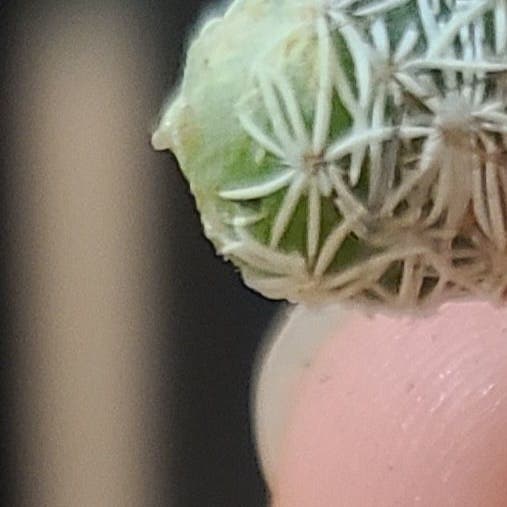
🌵 Button Cactus: Not an Invasive Plant
Coryphantha erecta
By the Greg Editorial Team
Sep 28, 2024•5 min read
This article was created with the help of AI so we can cover more plants for you. May contain errors. See one? Report it here.
- 🌵 Button cacti thrive in well-drained soil and require minimal water for growth.
- 🌼 They attract pollinators during spring and summer, enhancing garden aesthetics.
- 🦋 Not invasive, button cacti support local biodiversity and ecosystem health.
Growth Habits
Typical Growth Patterns in Gardens 🌵
Button cacti grow in compact clusters, typically reaching heights of 6 to 12 inches. Their growth rate is slow to moderate, influenced by environmental conditions.
During spring to early summer, these cacti burst into vibrant blooms that attract a variety of pollinators. This flowering season not only adds color to your garden but also supports local wildlife.
Natural Limits to Growth and Spread Potential 🚧
These cacti thrive in well-drained soil and require minimal water, making them perfect for xeriscaping. However, they are susceptible to frost and extreme moisture, which can significantly hinder their growth.
Competition with other plants in the garden often restricts their growth. This natural limitation helps maintain balance in your garden ecosystem, ensuring that button cacti coexist harmoniously with other flora.
Incorporating button cacti into your garden design can enhance both aesthetics and ecological health. Their unique growth habits make them a valuable addition to any landscape.
Ecological Role
Benefits in Ecosystems 🌼
The Button Cactus plays a vital role in its ecosystem by providing habitat and food for various wildlife. Pollinators like bees and butterflies are particularly attracted to its vibrant blooms, making it a crucial player in supporting local biodiversity.
Additionally, this cactus contributes to soil health. It helps prevent erosion and maintains moisture levels, which is essential for the surrounding flora.
Positive Interactions with Local Wildlife 🦋
One of the most fascinating aspects of the Button Cactus is its ability to attract beneficial insects. These insects enhance biodiversity in the garden, creating a thriving environment for various species.
Moreover, the cactus serves as a food source for birds and small mammals. This interaction promotes a balanced ecosystem, showcasing the interconnectedness of all living things in the garden.
Incorporating the Button Cactus into your garden not only beautifies the space but also enriches the local ecosystem. As we explore garden management next, consider how these ecological benefits can influence your design choices.
Garden Management
Incorporating into Garden Designs 🌵
Button cacti are perfect for rock gardens, borders, and as striking focal points in drought-resistant landscapes. Their compact growth and vibrant blooms make them an eye-catching addition, especially when spaced 12-18 inches apart to allow for their natural growth patterns.
Controlling Growth for Aesthetic Purposes ✂️
Maintaining the beauty of your button cactus is straightforward.
- Regular pruning: Trim away dead or damaged pads to keep the plant looking its best.
- Monitor water levels: Be cautious with watering; overwatering can lead to excessive growth.
- Use barriers: Designate specific areas for planting to control their spread effectively.
By following these simple steps, you can enjoy the unique charm of button cacti while keeping your garden tidy and visually appealing.
As you incorporate these stunning plants into your garden, consider their ecological benefits and how they can enhance your outdoor space.
Comparison to Other Plants
🌵 Similar Non-Invasive Plants
When considering non-invasive cacti, the Fishhook Barrel Cactus and Golden Barrel Cactus are excellent comparisons to the Button Cactus.
Fishhook Barrel Cactus: This cactus features a rounded shape and can grow up to 3 feet tall. It thrives in similar conditions but requires slightly more water than the Button Cactus.
Golden Barrel Cactus: Known for its striking golden spines, this cactus also prefers well-drained soil. However, it can grow larger, reaching heights of up to 2 feet.
These differences in growth habits and water requirements make each cactus unique, allowing gardeners to choose based on their specific landscape needs.
🌟 Unique Qualities
The Button Cactus stands out with its distinctive rounded pads and vibrant flowers that bloom in spring.
Its ability to thrive in poor soil conditions makes it a versatile choice for various garden designs.
Whether you're creating a rock garden or a drought-resistant landscape, the Button Cactus adds a splash of color and character.
This adaptability, combined with its compact growth, makes it an appealing option for gardeners looking to enhance their outdoor spaces.
In summary, the Button Cactus not only complements other non-invasive cacti but also brings its own unique charm to the garden.
As we explore the next section, consider how these qualities can be integrated into your garden management strategies.
Legal and Environmental Considerations
📝 Relevant Classifications and Guidelines
The Button Cactus is not classified as an invasive species under local or federal guidelines. This makes it a safe choice for gardeners looking to enhance their landscapes without the worry of aggressive spread.
Additionally, its inclusion in sustainable gardening practices promotes biodiversity and water conservation. By choosing this cactus, you're contributing positively to your local ecosystem.
🌱 Sustainable Gardening Practices
Incorporating Button Cactus into xeriscaping designs is a smart way to reduce water usage. This plant thrives in dry conditions, making it an excellent option for water-wise gardens.
Moreover, using Button Cactus as a companion plant can enhance the health of surrounding flora. It attracts beneficial wildlife, creating a balanced and thriving garden environment.
As you consider your garden design, remember that the Button Cactus not only beautifies your space but also supports sustainable practices. This dual benefit makes it a fantastic addition to any garden.
⚠️ Safety First
This content is for general information and may contain errors, omissions, or outdated details. It is not medical, veterinary advice, or an endorsement of therapeutic claims.
Always consult a qualified healthcare professional before using any plant as food, medicine, or supplement.
Never eat any plant (or feed one to pets) without confirming its identity with at least two trusted sources.
If you suspect poisoning, call Poison Control (800) 222-1222, the Pet Poison Helpline (800) 213-6680, or your local emergency service immediately.
Spotted an error? Please report it here.
Elevate your garden's beauty and biodiversity 🌼 with button cacti, and let Greg guide you with tailored care tips to ensure they thrive effortlessly!