🌡 What Is A Good Temperature Range For My Border Carnation?
Dianthus caryophyllus
By the Greg Editorial Team
Jun 14, 2024•3 min read
This article was created with the help of AI so we can cover more plants for you. May contain errors. See one? Report it here.
- Ideal range 60°F to 75°F ensures Border Carnations flourish.
- 🌡️ Protect from extremes with mulch, shade, and frost blankets.
- Wilting and discoloration signal temperature stress; hydrate and prune as needed.
Optimal Temperature Range for Healthy Growth
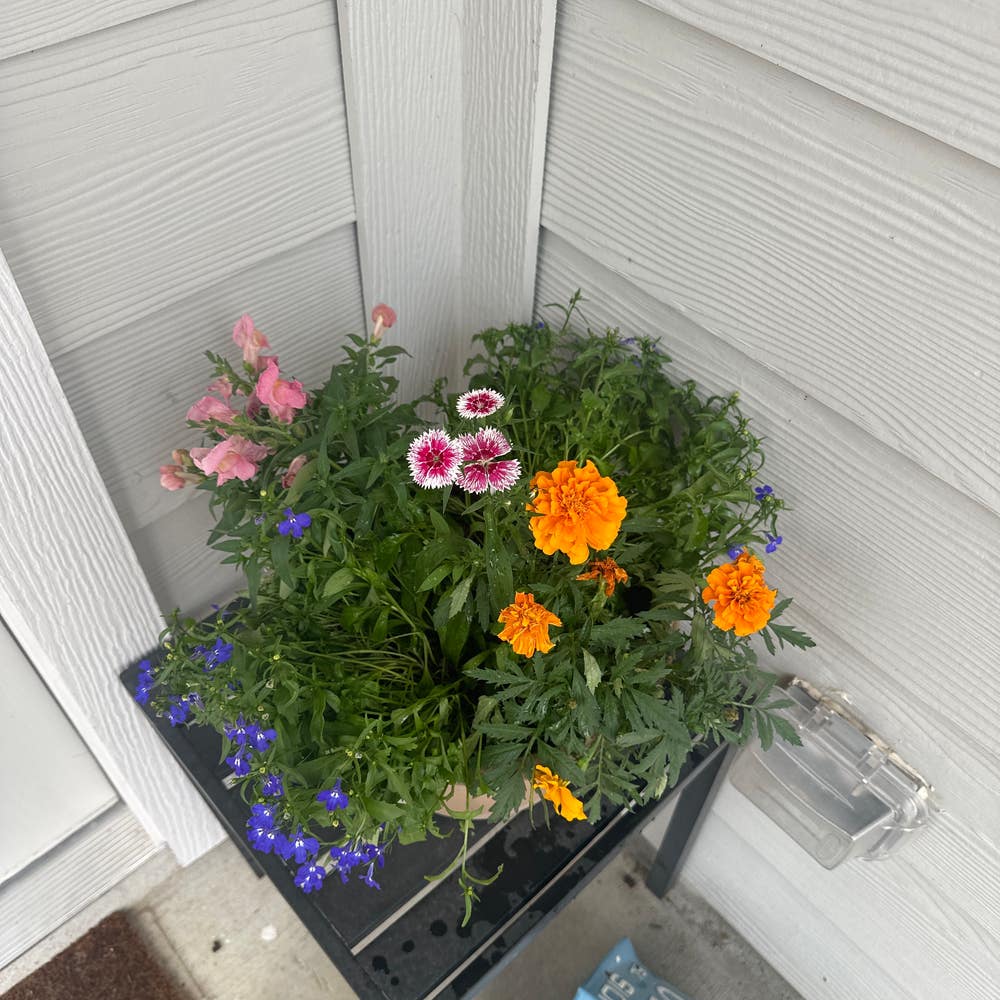
Border Carnations thrive in a specific temperature range that mirrors their native climate. This sweet spot for growth and flowering is generally between 60°F and 75°F (15°C to 24°C). At these temperatures, the plants' metabolic processes, such as photosynthesis and nutrient uptake, are most efficient, leading to robust health and vibrant blooms.
🌼 Reflecting Native Habitat Conditions
In their natural habitat, Border Carnations experience conditions that align closely with these temperatures. By mimicking these conditions, gardeners can ensure their carnations develop properly, from bud to full flower.

Protecting Border Carnations from Temperature Extremes
🏡 Indoors
Avoid drafts and sudden temperature changes. Keep plants away from heat sources in winter and cool spots in summer. If indoor temperatures dip, consider a small space heater or plant lamp for warmth.
🌳 Outdoors
Mulch is your friend. It insulates roots against cold snaps and keeps moisture during heat waves. In scorching summer, provide afternoon shade; a sun cloth can reduce intensity without plunging plants into darkness.
❄️ Winter Woes
When frost threatens, frost blankets are a quick fix. For sustained cold, move potted carnations indoors. If they're in the ground, wrap them with burlap and pile on the leaves for a cozy winter bed.
☀️ Summer Strategies
Hydration is key. Water deeply in the early morning to avoid evaporation and scorching. On the hottest days, a midday mist can help plants cope with the heat.
Remember, these are not just plants; they're living barometers. Keep an eye on the forecast and react swiftly to keep your Border Carnations blooming beautifully.

Recognizing and Addressing Temperature Stress
🌡️ Identifying Symptoms of Temperature Stress
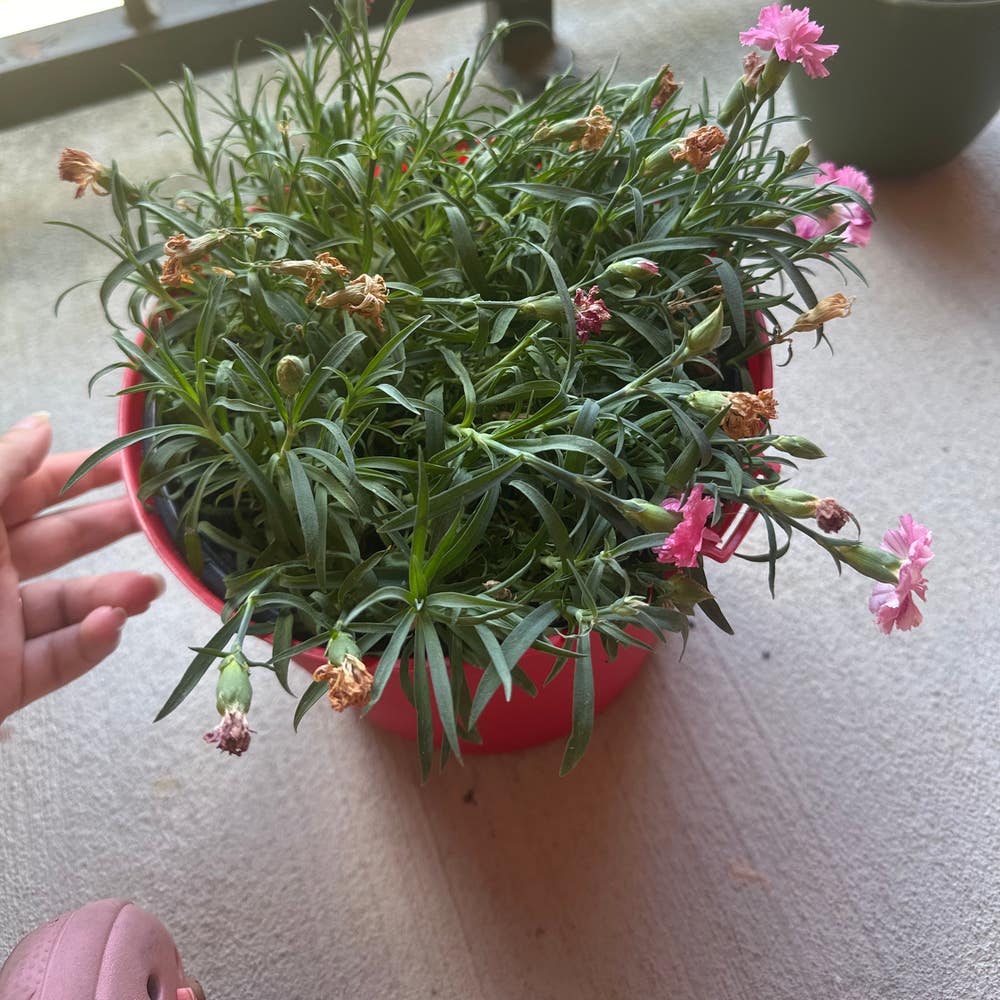
Border Carnations, like a mood ring, change in response to temperature shifts. Wilting or drooping is your first red flag for heat stress. In the cold, watch for dark, mushy spots or a plant that looks like it's given up the ghost. Leaf discoloration, from yellow to brown, is the plant crying out, "I'm not okay!"
🚨 Immediate Steps for Heat Stress
When your Border Carnation is throwing a leafy tantrum due to heat, it's time to spring into action. Hydrate like you're prepping for a marathon, and offer shade as if you're the plant's personal parasol-wielding butler. Think of it as crafting a microclimate that whispers "cool retreat."
🧊 Immediate Steps for Cold Stress
If Jack Frost's been using your Border Carnation for target practice, you'll need to wrap it up. Protective coverings are like giving your plant its own personal igloo. If the cold's already left its mark, prune like you're giving the plant a much-needed haircut. It won't undo the frostbite, but it'll look less like a plant zombie.
👀 Visual Indicators of Stress
Keep an eye out for leaves dropping faster than a bad habit; it's the ultimate SOS. If your plant's leaves feel like they've been in a toaster, it's a sign they're baking in too much heat. Conversely, a plant that looks like it's auditioning for the role of a wilted salad is probably too cold.
🌱 Long-Term Recovery Strategies
Prune the damage, but don't go Edward Scissorhands on your plant. Balance your watering like you're walking a tightrope, especially if your plant's been through the wringer. And keep a vigilant watch on the thermometer, like you're guarding the crown jewels, to prevent a repeat performance.

⚠️ Safety First
This content is for general information and may contain errors, omissions, or outdated details. It is not medical, veterinary advice, or an endorsement of therapeutic claims.
Always consult a qualified healthcare professional before using any plant as food, medicine, or supplement.
Never eat any plant (or feed one to pets) without confirming its identity with at least two trusted sources.
If you suspect poisoning, call Poison Control (800) 222-1222, the Pet Poison Helpline (800) 213-6680, or your local emergency service immediately.
Spotted an error? Please report it here.
Ensure your Border Carnations flourish by relying on Greg to provide custom care alerts 🛡️ that keep them cozy within their perfect temperature range, as outlined in this article.