Why Is My Border Carnation Dropping Leaves?
Dianthus caryophyllus
By the Greg Editorial Team
Jun 14, 2024•6 min read
This article was created with the help of AI so we can cover more plants for you. May contain errors. See one? Report it here.
- Over/underwatering causes leaf drop; balance soil moisture with deep, spaced watering.
- Stable environment prevents drop: regulate temperature, humidity, light, and air circulation.
- Pest and disease management: inspect regularly, use neem oil, and practice good sanitation.
Diagnosing Leaf Drop in Border Carnations
Leaf drop in Border Carnations can be as cryptic as a whodunit. But don't don your detective hat just yet; let's break down the usual suspects.
🕵️ Telltale Signs of Trouble
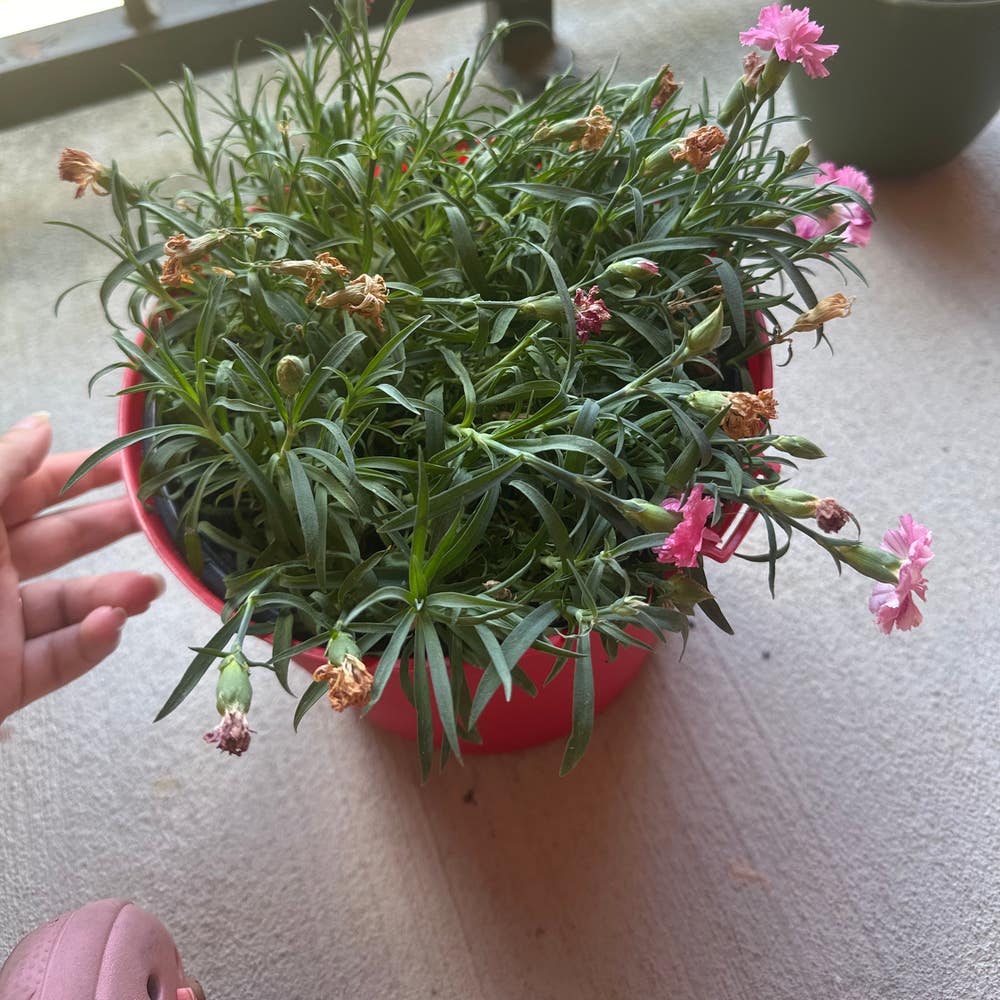
Discoloration or spots? Could be a fungal fiesta or bacterial blowout. If leaves are more yellow than a school bus, think nutrient deficiency or overwatering.
💧 The Droop Diagnosis
Leaves falling faster than autumn leaves in a breeze? Might be underwatering. But if they're soggy and dropping, overwatering is your culprit.
🐜 Uninvited Guests
Check for pests like aphids or spider mites. These tiny terrors can cause leaves to throw in the towel.
🌡️ Environmental Enigmas
Too hot, too cold, or just right? Carnations aren't Goldilocks, but they sure can be picky. Keep an eye on temperature swings.
👃 The Sniff Test
An unpleasant odor? Rot could be setting in. Time to channel your inner plant doctor and excise the affected areas.
🌿 The Gentle Tug
Leaves coming off with a light pull? It's a distress signal. Time to reassess your plant care regimen.
Remember, the key to solving the leaf drop mystery is observation and swift action. Keep your carnations happy, and they'll stick around.

Overwatering and Underwatering
Navigating the fine line between drowning your Border Carnation and leaving it parched is crucial for preventing leaf drop.
💧 The Perils of Too Much H2O
Overwatering is the equivalent of giving your plant a pair of concrete shoes—it's not going swimmingly. Root rot sets in, the leaves bid farewell, and you're left with a soggy mess. To avoid this, water deeply but allow the soil to dry out before the next watering. If your home is drier than a stand-up comedy club, a light misting can help.
🏜️ The Thirst Quench
Underwatering, on the other hand, turns your plant into a desert wanderer, with leaves dropping like flies in search of hydration. The soil should be dry about an inch down before you reach for the watering can. Remember, your plant is chatty—it will tell you when it's thirsty. Look for leaves that are more limp than a bad handshake.
🌞 Finding the Sweet Spot
Balance is key. Keep the soil moist but not wet, and let it dry slightly between waterings. Stick your finger in the soil; if the top inch is dry, it's time to water. Consider the plant's environment—light, temperature, and humidity all play a role in how quickly your plant drinks up its water.
🚰 The Telltale Signs
Keep an eye out for signs of over or underwatering: wilting, slow growth, discolored leaves, and soil that holds footprints like a memory foam mattress. Adjust your watering habits accordingly, and your Border Carnation will thank you by keeping its leaves firmly attached.

Environmental Factors Affecting Leaf Health
🌡️ Temperature
Temperature swings are like mood swings for plants; they're not good for health. Border Carnations thrive in stable conditions. Too hot, and they're sweating more than a marathon runner; too cold, and they're shivering like they're in the Arctic. Aim for a consistent temperature to keep those leaves firmly attached.
💦 Humidity and Water
Humidity is the invisible blanket that can either suffocate your plant or leave it gasping for air. Too much, and your Carnation's leaves are as droopy as a Monday morning. Too little, and they're drier than a comedian's wit. Strike a balance with a humidity level that mimics the plant's natural habitat.
🌞 Light
Light is the lifeblood of plants, but Border Carnations don't need a sunbath. They prefer the Goldilocks zone of light—not too direct, not too dim, just right. Rotate your plant to ensure even exposure, or it might start dropping leaves like a tree in autumn.
💨 Air Circulation
Good air circulation is as essential as a fresh breeze on a stuffy day. Stagnant air is to plants what a stale room is to us—unpleasant and unhealthy. Ensure your Border Carnation has enough room to breathe to prevent leaf drop.
🔄 Adjusting Conditions
If your Border Carnation is dropping leaves, it's time to play detective. Check the thermostat, tweak the humidifier, and adjust the blinds. Keep an eye on the forecast, too—seasonal changes can sneak up like a plot twist in a thriller.

Pest and Disease Management
🕵️ Identifying Culprits Behind Leaf Drop
Pests and diseases are the sneaky saboteurs of your Border Carnation's health. Sticky residue or discolored leaves? You've got uninvited guests. It's crucial to play detective and spot these issues early.
🕵️ The Usual Suspects
Aphids, spider mites, and thrips are the usual suspects, treating your plant like an all-you-can-eat buffet. Fungal foes like rust and leaf spot diseases also love to crash the party, leaving your carnations in despair.
🛡️ Effective Treatments
When it comes to treatment, think of neem oil and insecticidal soap as your plant's personal bodyguards. They're tough on pests but gentle on the environment. For fungal infections, a good fungicide can be the silver bullet, but always read the label.
💊 Prevention: The Best Medicine
Prevention beats cure any day. Keep your carnations clean and practice good sanitation. Regular inspections are non-negotiable. If you're not looking, you're not finding.
🌱 Integrated Pest Management (IPM)
Embrace IPM like it's the future because, well, it is. Combine biological controls, cultural practices, and chemical treatments to keep pests and diseases at bay. It's about being smart, not just strong.
🐞 Natural Allies
Don't forget about your tiny allies. Beneficial insects can be the cavalry that turns the tide in your garden's micro-war. Encourage them by planting diverse flora and avoiding broad-spectrum pesticides.
🚨 Quick Response Team
At the first sign of trouble, act fast. Manual removal of pests or infected leaves can sometimes be enough to nip the problem in the bud. Remember, procrastination is the accomplice of pests and diseases.
Remedies and Prevention Strategies
💧 Correct Watering Techniques and Schedule
Watering your Border Carnation is less about sticking to a rigid timetable and more about understanding its needs. Check the soil's moisture with a finger—if it's dry a couple of inches down, it's time to water. Overwatering is a no-go; soggy soil can lead to root rot faster than you can say "droopy leaves."
🌿 Ensuring Optimal Growing Conditions and Plant Hygiene
Keep your plant in bright, indirect light; direct sunlight can be as harsh as a critic's review. Humidity matters too, so either mist those leaves or set up a pebble tray. It's like creating a mini spa for your plant. And cleanliness isn't just for show—remove dead leaves to prevent fungal gate-crashers.
🌱 Fertilization, Pruning, and Air Circulation Practices
Fertilize with a light touch; think of it as seasoning food, not dousing it in sauce. Prune with purpose, cutting back only what's necessary to avoid a plant version of a bad haircut. And don't underestimate good air circulation—it's the unsung hero in keeping pests and diseases at bay.
Remember, it's all about balance. Too much care can smother, too little can neglect. Find that sweet spot, and your Border Carnation will thank you with vibrant leaves.
⚠️ Safety First
This content is for general information and may contain errors, omissions, or outdated details. It is not medical, veterinary advice, or an endorsement of therapeutic claims.
Always consult a qualified healthcare professional before using any plant as food, medicine, or supplement.
Never eat any plant (or feed one to pets) without confirming its identity with at least two trusted sources.
If you suspect poisoning, call Poison Control (800) 222-1222, the Pet Poison Helpline (800) 213-6680, or your local emergency service immediately.
Spotted an error? Please report it here.
Keep your Border Carnations thriving 🌱 with Greg's personalized care plans that ensure just the right amount of water and TLC for vibrant leaves.