Why Are There Black Spots on My Leatherleaf Leaves?
Chamaedaphne calyculata
By the Greg Editorial Team
Apr 26, 2024•4 min read
This article was created with the help of AI so we can cover more plants for you. May contain errors. See one? Report it here.
Eradicate black spots on your Leatherleaf 🍂 and keep your foliage flawlessly green with our expert guide.
- Black spots mean distress, often surrounded by a yellow halo.
- Fungi and bacteria are the main causes; check undersides of leaves.
- Prevent with proper watering and good air circulation.
Spotting the Culprit: Characteristics of Black Spots on Leatherleaf
🚨 Visual Signs of Trouble
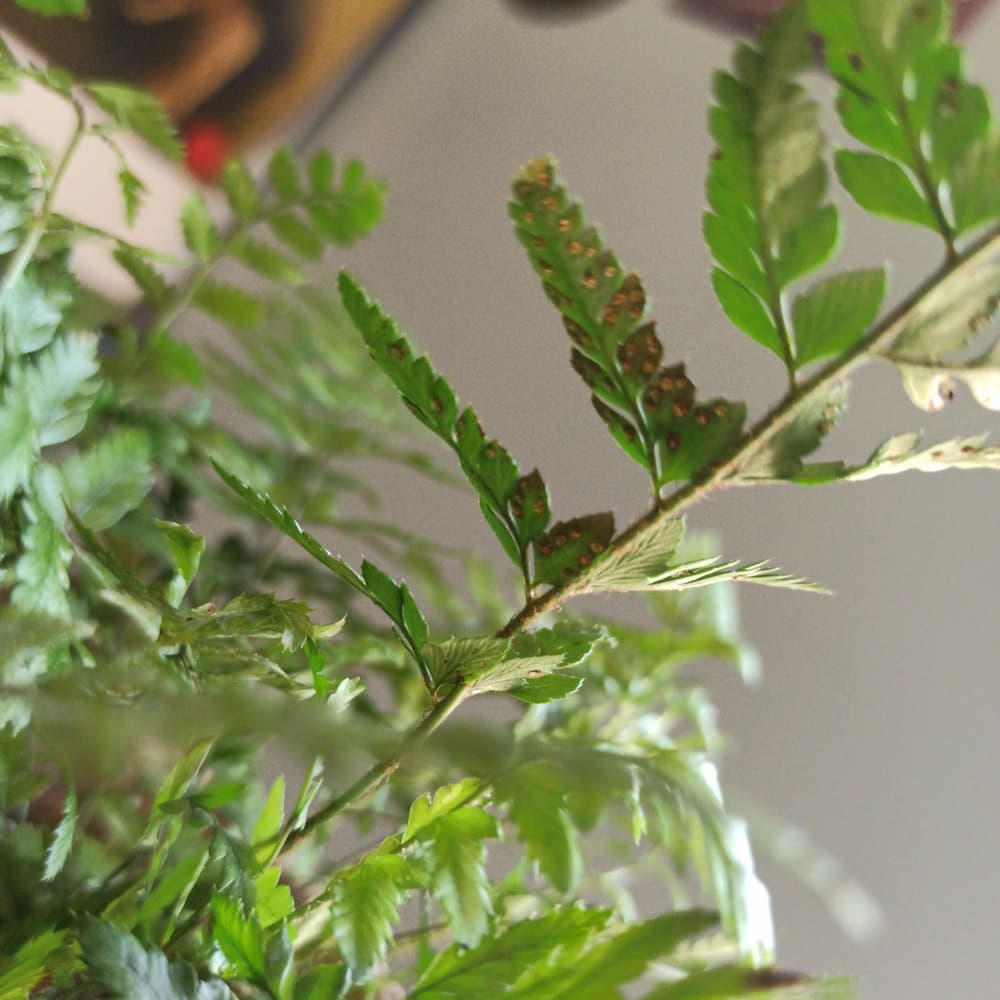
Black spots on Leatherleaf are alarm bells for plant enthusiasts. These spots are typically dark against the lush green, with borders that might as well be drawn on with a fine pen. They can range from pinhead-sized specks to larger, more ominous blotches. A yellow halo often encircles these spots, signaling that your plant is not just throwing a tantrum—it's in distress.
Where to Look
Flip those leaves! Black spots love to lurk on the undersides of Leatherleaf foliage, playing a sneaky game of hide and seek. They're not picky, though; they'll also stake a claim on the upper surface, standing out in stark contrast. If the spots exhibit a powdery or slimy texture, it's time to don your detective hat and get to the root of the issue.
Unwanted Guests: Understanding Pathogens Behind the Spots
🍄 Fungal Foes
Fungi are the culprits behind many black spots on Leatherleaf leaves. These organisms thrive in moist conditions, turning your plant into a polka-dotted mess. Cylindrocladium spathiphylli and Anthracnose are two common fungi to blame. Look for small specks that expand into larger lesions, sometimes surrounded by red or yellow halos. These spots can multiply rapidly, signaling an urgent need for intervention.
🦠 Bacterial Bullies
Bacteria can also throw a wrench in your Leatherleaf's health. Unlike their fungal counterparts, bacterial spots may appear slimy and water-soaked. If you press them, they might ooze, which is as unpleasant as it sounds. These spots love to hang out in the same moist conditions fungi enjoy. They can spread through water splash or contaminated tools, so keeping your gardening gear clean is as crucial as washing your hands after a subway ride.
When the Environment Turns Against You
💧 Too Much Love: The Perils of Overwatering
Overwatering is the root of all evil when it comes to black spots on Leatherleaf. It's a classic case of too much of a good thing leading to a soggy disaster. Root rot and black spots become the bane of your plant's existence as they struggle for air in waterlogged soil. Before you water, check the soil; if it's damp, step away from the watering can. Yellow leaves, a musty smell, or swamp-like soil are all red flags signaling it's time to dial back the H2O.
🌬 Stale Air Syndrome
Poor air circulation is like a closed door to fresh air for your Leatherleaf, inviting pathogens to throw a party. High humidity acts as their plus-one, creating a breeding ground for trouble. To avoid turning your plant's environment into a pathogen rave, space out your plants. They need room to breathe, just like guests at a party need space to dance. Remember, bacteria and fungi hate a breezy, dry environment, so keep the air moving and the leaves dry to crash their bash.
Battling Black Spots: Treatment Tactics
🛡️ Choosing Your Weapons: Fungicides and Bactericides
When black spots cling to your Leatherleaf like unwanted stickers, it's time to break out the big guns. Fungicides and bactericides are your chemical warriors in this leafy battle. Don your armor—gloves, goggles, and long sleeves—and follow the battle plan on the label with precision. Timing is crucial; apply these treatments during the cooler parts of the day to avoid scorching your plant's leaves. Victory signs include new, spot-free growth.
🌱 Cultural Controls
But hey, not everything requires a chemical showdown. Cultural controls are your stealthy ninjas in the fight against black spots. Start by removing any infected leaves; think of it as excising the zombie bite before it spreads. Sterilize your tools after each cut—cleanliness is next to plant-godliness. Boost your plant's living conditions by ensuring it has adequate light and air flow; it's like giving your plant a personal space bubble that pathogens can't invade. Remember, consistency is key—like brushing your teeth or changing your oil, keeping up with these practices can prevent future outbreaks.
Prevention: Keeping Black Spots at Bay
💧 Water Wisely
Watering your Leatherleaf correctly is pivotal in preventing black spots. Aim for the base, ensuring the leaves stay dry to thwart fungal parties. Let the topsoil dry out before the next watering session; think of it as giving the soil a breather.
💨 Airflow is Your Ally
Air circulation is like your plant's personal bodyguard against black spots. Don't cram your Leatherleaf into a corner; it needs room to flaunt its foliage. Use a fan or position near an open window to stir the air gently. Regular pruning also promotes airflow, acting like a strategic trim for better health. Keep plants spaced to avoid creating a microclimate ripe for fungal growth.
⚠️ Safety First
This content is for general information and may contain errors, omissions, or outdated details. It is not medical, veterinary advice, or an endorsement of therapeutic claims.
Always consult a qualified healthcare professional before using any plant as food, medicine, or supplement.
Never eat any plant (or feed one to pets) without confirming its identity with at least two trusted sources.
If you suspect poisoning, call Poison Control (800) 222-1222, the Pet Poison Helpline (800) 213-6680, or your local emergency service immediately.
Spotted an error? Please report it here.
Keep your Leatherleaf spot-free 🍃 with Greg's custom watering plan that tackles overwatering and promotes perfect plant health.