Why Are My Zygopetalum maculatum Leaves Curling?
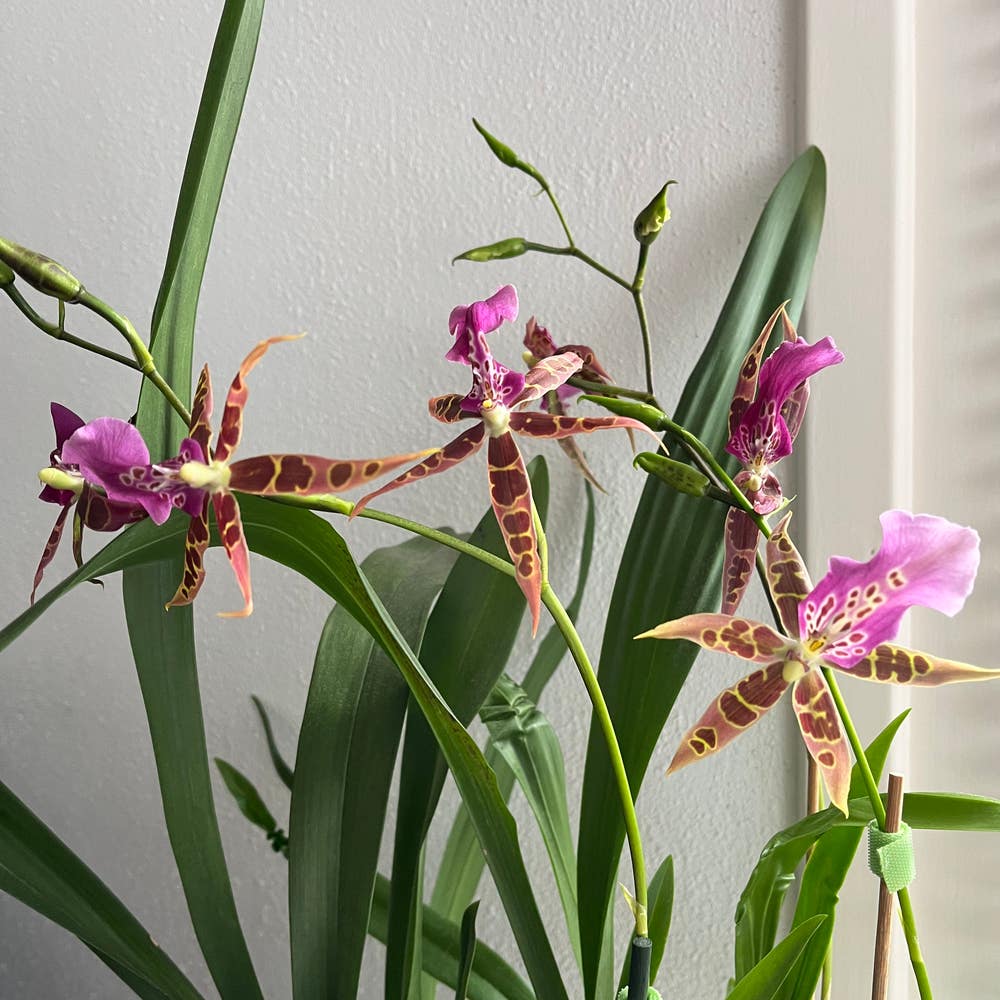
Zygopetalum maculatum
By the Greg Editorial Team
Feb 09, 2024•4 min read
This article was created with the help of AI so we can cover more plants for you. May contain errors. See one? Report it here.
Unravel the mystery 🕵️♂️ behind your orchid's curling leaves and learn to keep them lusciously flat! 🌿
- Leaf curling signals stress or disease, not just an orchid's quirk.
- 🌡️💧 Temperature, humidity, and watering must be balanced to prevent curling.
- Regular monitoring and care are essential for healthy, uncurled leaves.
Spotting the Signs of Trouble
🍃 Visual cues: Identifying leaf curl in Zygopetalum maculatum
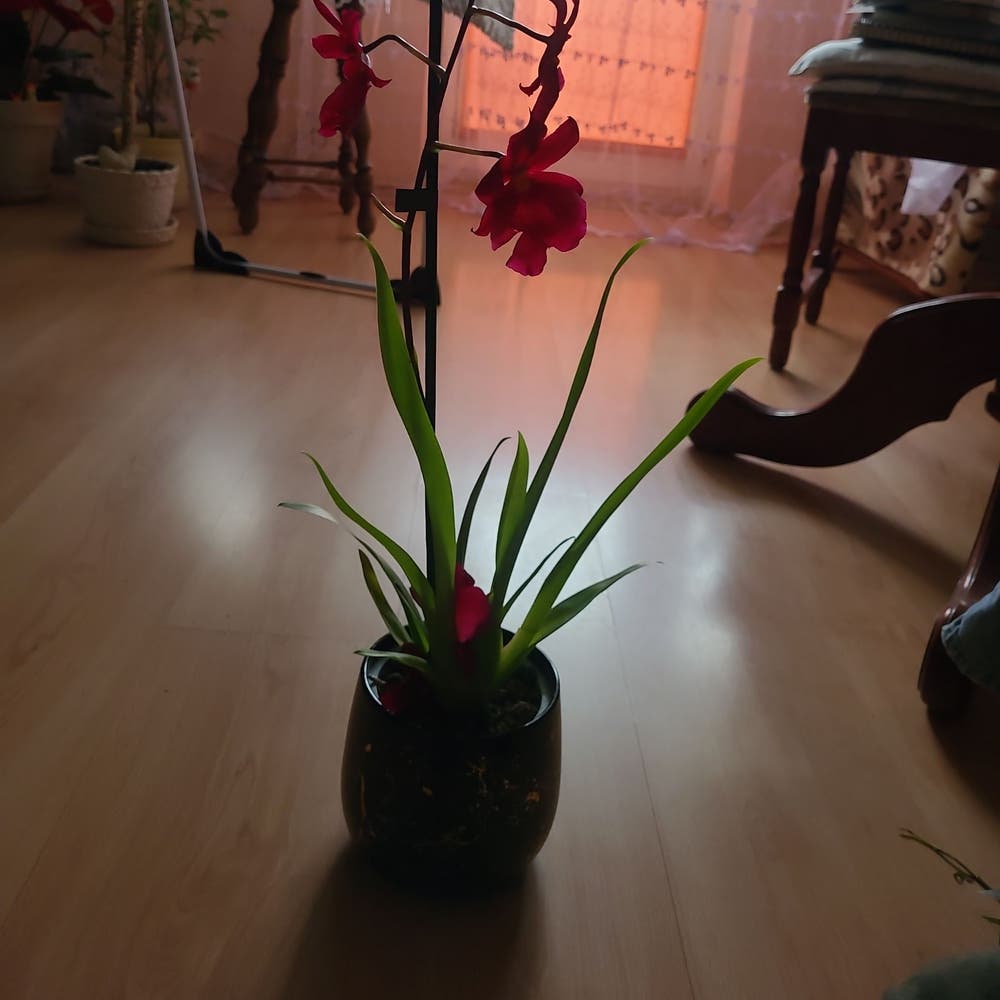
Curling leaves in your Zygopetalum maculatum are a cry for help, not a new trend. If you spot leaves twisting or curling downwards, it's time to take action. These are clear indicators of stress or disease, not just an orchid trying to stand out in the plant crowd.
🚩 Beyond the curl: Other symptoms to watch for
But the trouble doesn't stop at curling. Discoloration is another red flag, with leaves turning from a healthy green to a worrisome yellow or brown. Necrotic spots and a change in leaf texture, such as softer or thinner leaves, are your orchid's way of saying, "I'm not okay." If your plant's leaves are drooping or looking less perky than usual, it's time to dive deeper into the possible causes.
Unraveling the Causes of Leaf Curling
💧 Water Woes
The Overwatering-Leaf Curl Link
Overwatering is the equivalent of forcing your Zygopetalum maculatum to sit through a never-ending rainstorm. The roots get waterlogged, gasping for air, and the leaves respond by curling downwards. It's a distress signal that's hard to miss.
Underwatering and Its Curling Consequences
Conversely, underwatering turns your orchid into a miser, curling its leaves upward to conserve every drop. The soil's top inch is your clue; if it's dry, it's time to water. But remember, moderation is key—no deluges, please.
🌡️ Climate Culprits
Temperature Swings and Humidity Havoc
Leaves curling can be a silent scream against temperature abuse. Too hot or too cold, and your orchid's leaves will curl up in protest. Humidity levels are just as critical; aim for that sweet spot between 35% and 65% RH to avoid the dreaded curl.
🐜 Uninvited Guests
Pests and Diseases That Bring on the Curl
Pests like spider mites and aphids are the ninjas of the plant world, often invisible until the damage is done. Diseases can be just as stealthy, with symptoms like spotted or discolored leaves. Keep a vigilant eye out; these uninvited guests love a good leaf curl party.
Turning Over a New Leaf: Corrective Actions
💧 Fine-Tuning Watering Habits
Adjusting water intake is crucial for Zygopetalum maculatum orchids. Overwatering can suffocate roots, leading to leaf curl. Conversely, underwatering can dehydrate the plant, causing similar symptoms.
To strike a balance, water only when the top inch of soil feels dry. If your orchid is thirstier than usual, consider a humidifier to increase ambient moisture without overwatering.
🌿 Creating the Ideal Orchid Oasis
Stabilizing your orchid's environment is key to preventing leaf curl. Temperature consistency and adequate humidity are non-negotiables for a happy Zygopetalum maculatum.
Keep temperatures between 65-75°F and maintain humidity around 40-70%. Avoid placing your orchid in direct sunlight or drafty areas, which can cause stress and leaf curl.
🐜 Evicting Pests and Battling Diseases
Pests and diseases are notorious for causing leaf curl in orchids. Regular inspections are your best defense against these tiny terrors.
If you spot pests, remove them manually or use an appropriate insecticide. For diseases, remove affected areas and apply a fungicide. Remember, a clean plant is a healthy plant.
Proactive Protection: Preventing Future Fiascos
🕵️ Routine Checks: Keeping an Eye on Environmental Factors
Regular monitoring of your Zygopetalum maculatum's environment is like health insurance for your plant. Check the soil moisture before watering—overly wet conditions are a no-go for orchid roots. Keep an eye out for temperature fluctuations and ensure the humidity level is consistent with your orchid's tropical needs.
🔄 Consistent Care: Establishing a Healthy Watering and Care Schedule
Consistency is key when it comes to watering. Set a schedule that adapts to the seasons—less in the cooler months, more when it's warmer. Use a moisture meter or your finger to check the soil's moisture level before watering. This isn't just about sticking to a regimen; it's about understanding and responding to your plant's needs.
🛠️ Adjustments to Care Routines
Rotate your orchid periodically to promote even growth and prevent your plant from becoming the Leaning Tower of Pisa. Fertilize with a balanced formula, but don't overdo it—think of it as seasoning food, not dousing it with sauce. Prune only when necessary to remove dead or damaged foliage and encourage new growth.
📊 Monitoring and Assessment
Keep a log of your plant's condition and any care adjustments you make. This isn't just busywork; it's a strategic move to track what's working and what's not. If your orchid starts to thrive, give yourself a pat on the back. If not, it's time to play detective and reassess your approach.
⚠️ Safety First
This content is for general information and may contain errors, omissions, or outdated details. It is not medical, veterinary advice, or an endorsement of therapeutic claims.
Always consult a qualified healthcare professional before using any plant as food, medicine, or supplement.
Never eat any plant (or feed one to pets) without confirming its identity with at least two trusted sources.
If you suspect poisoning, call Poison Control (800) 222-1222, the Pet Poison Helpline (800) 213-6680, or your local emergency service immediately.
Spotted an error? Please report it here.
Keep your Zygopetalum maculatum's leaves perfectly curled 🌀 with Greg's custom care plan, ensuring just the right water and humidity for a stress-free orchid.