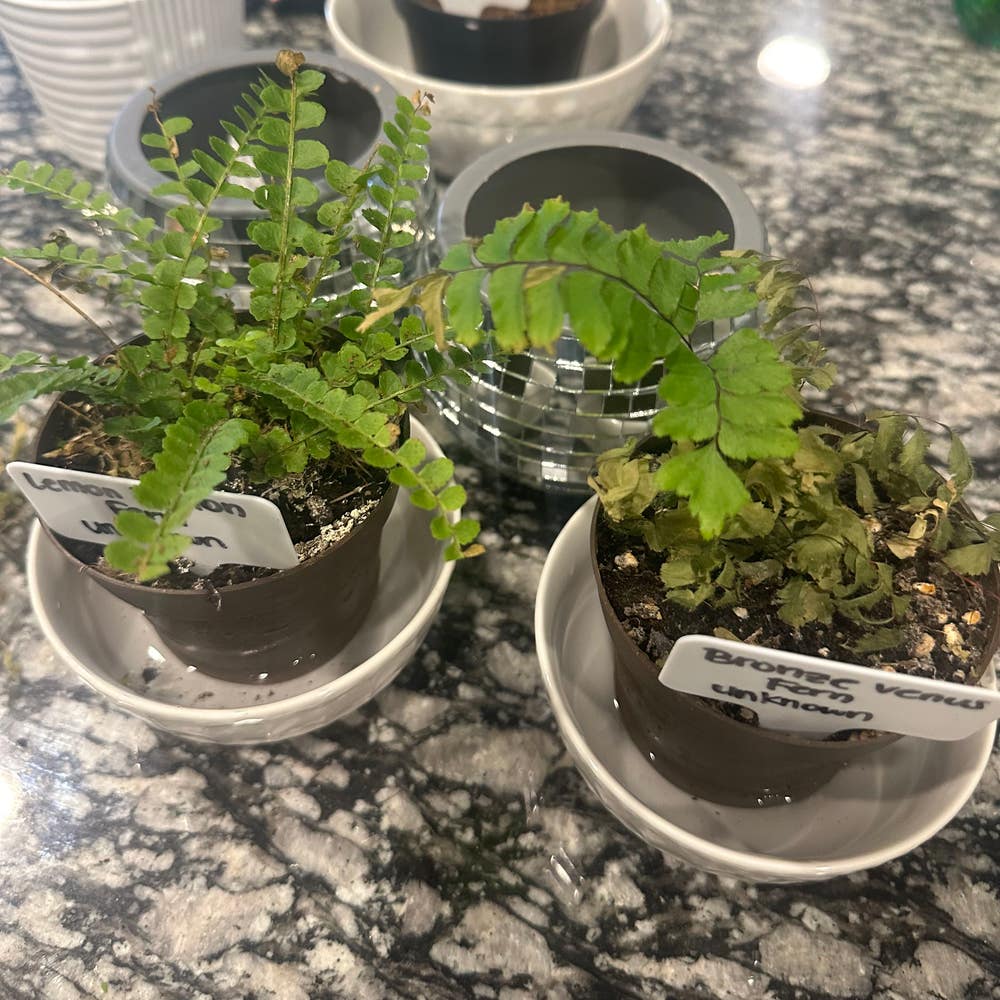
🍋 Lemon Button Fern: When to Plant
Nephrolepis Cordifolia 'Duffii'
By the Greg Editorial Team
Nov 08, 2024•4 min read
This article was created with the help of AI so we can cover more plants for you. May contain errors. See one? Report it here.
- 🌱 Know frost dates to plant Lemon Button Ferns successfully and avoid cold damage.
- 🌡️ Ideal soil temperature for planting is 65°F to 75°F (18°C to 24°C).
- 🗓️ Planting months vary by region; March-April in warmer areas, late May-June in cooler ones.
Importance of Frost Dates
🌨️ Definition of Frost Dates
Understanding frost dates is crucial for successful gardening. The last frost date in spring marks the average date when the last frost occurs, while the first frost date in fall indicates when the first frost is expected.
❄️ How Frost Affects Planting
Frost can be a gardener's worst enemy. Plants, especially sensitive ones like the Lemon Button Fern, risk cold damage and stunted growth if planted too early.
To ensure healthy growth, it's best to plant after the last frost date. This timing allows your plants to thrive without the threat of frost jeopardizing their development.
Soil Temperature Considerations
Ideal Soil Temperature for Planting 🌱
For successful germination and growth of Lemon Button Ferns, the ideal soil temperature ranges from 65°F to 75°F (18°C to 24°C). This temperature range creates a warm environment that encourages healthy root development.
Methods to Check Soil Temperature 🌡️
To accurately gauge soil temperature, use a soil thermometer. Insert it 2-4 inches into the soil, ensuring you get a reading that reflects the conditions where your seeds will grow.
Timing Considerations ⏳
It's crucial to wait until soil temperatures reach the optimal range before planting. Planting too early in cooler soil can hinder germination and stunt growth, so patience is key for a thriving garden.
By ensuring the right soil temperature, you set the stage for your Lemon Button Fern to flourish. Next, let’s explore how day length impacts their growth and overall health.
Day Length and Growth
🌅 Explanation of Photoperiodism
Photoperiodism is the way plants respond to the length of day and night. This natural phenomenon plays a crucial role in their growth cycles, influencing when they bloom and how vigorously they thrive.
🍋 Ideal Day Length for Lemon Button Fern
For the Lemon Button Fern, longer days—ideally between 12 to 14 hours—are essential for promoting healthy growth. When planning your planting schedule, it's important to consider local variations in day length to ensure your fern receives the optimal light it needs to flourish.
Understanding these factors can significantly enhance your gardening success. By aligning your planting with the right day length, you set the stage for vibrant, thriving ferns.
As you prepare for planting, keep in mind the interplay of day length and other environmental factors, such as frost dates and soil temperature, to create the best conditions for your Lemon Button Fern.
Regional Planting Considerations
Ideal Planting Months 🌱
When it comes to planting your Lemon Button Fern, timing is everything. Different regions have unique climates that dictate the best months for planting.
Florida: March to April is the sweet spot. The warm climate allows for early growth.
California: Aim for March to May. The extended growing season here is perfect for these ferns.
Texas: Similar to Florida, March to April works well. The mild spring temperatures are ideal.
New York: Late May to early June is your window. This timing helps avoid the risk of late frosts.
Colorado: June is the best month. The cooler spring temperatures mean you’ll want to wait a bit longer.
Ohio: Late May to early June is also recommended. This timing aligns with the warming soil temperatures.
Understanding these regional differences can significantly impact your success with Lemon Button Ferns. By planting at the right time, you set the stage for vibrant growth and lush greenery.
As you consider your planting schedule, remember to keep an eye on local weather patterns. This will help you make informed decisions about when to get your hands in the soil.
Seed Starting Techniques
Indoor Seed Starting vs. Direct Sowing 🌱
Starting seeds indoors offers several advantages. It extends your growing season and provides a controlled environment, ensuring your Lemon Button Ferns get a strong start.
Direct sowing, on the other hand, requires careful timing and soil preparation. It’s essential to plant at the right moment to give your seeds the best chance to thrive.
Timing Considerations for Starting Seeds Indoors ⏰
For optimal growth, start your seeds indoors 6-8 weeks before the last frost date. This timeline allows your plants to establish before they face outdoor conditions.
Once your seedlings are ready, transplant them after hardening off for 1-2 weeks. This gradual exposure to outdoor conditions helps them adjust and reduces transplant shock.
Best Practices for Direct Sowing 🌾
When direct sowing, plant your seeds about 1/4 inch deep in well-prepared soil. This depth ensures they have enough coverage while still being close to the surface for germination.
Keep the soil consistently moist but not waterlogged. This balance is crucial for encouraging healthy growth without drowning your seeds.
With these techniques in mind, you're well on your way to successfully growing Lemon Button Ferns. Next, let’s explore the ideal planting months based on your region.
⚠️ Safety First
This content is for general information and may contain errors, omissions, or outdated details. It is not medical, veterinary advice, or an endorsement of therapeutic claims.
Always consult a qualified healthcare professional before using any plant as food, medicine, or supplement.
Never eat any plant (or feed one to pets) without confirming its identity with at least two trusted sources.
If you suspect poisoning, call Poison Control (800) 222-1222, the Pet Poison Helpline (800) 213-6680, or your local emergency service immediately.
Spotted an error? Please report it here.
Grow your Lemon Button Ferns successfully 🌿 by planting after the last frost and using Greg for tailored reminders and tips that ensure your ferns thrive!