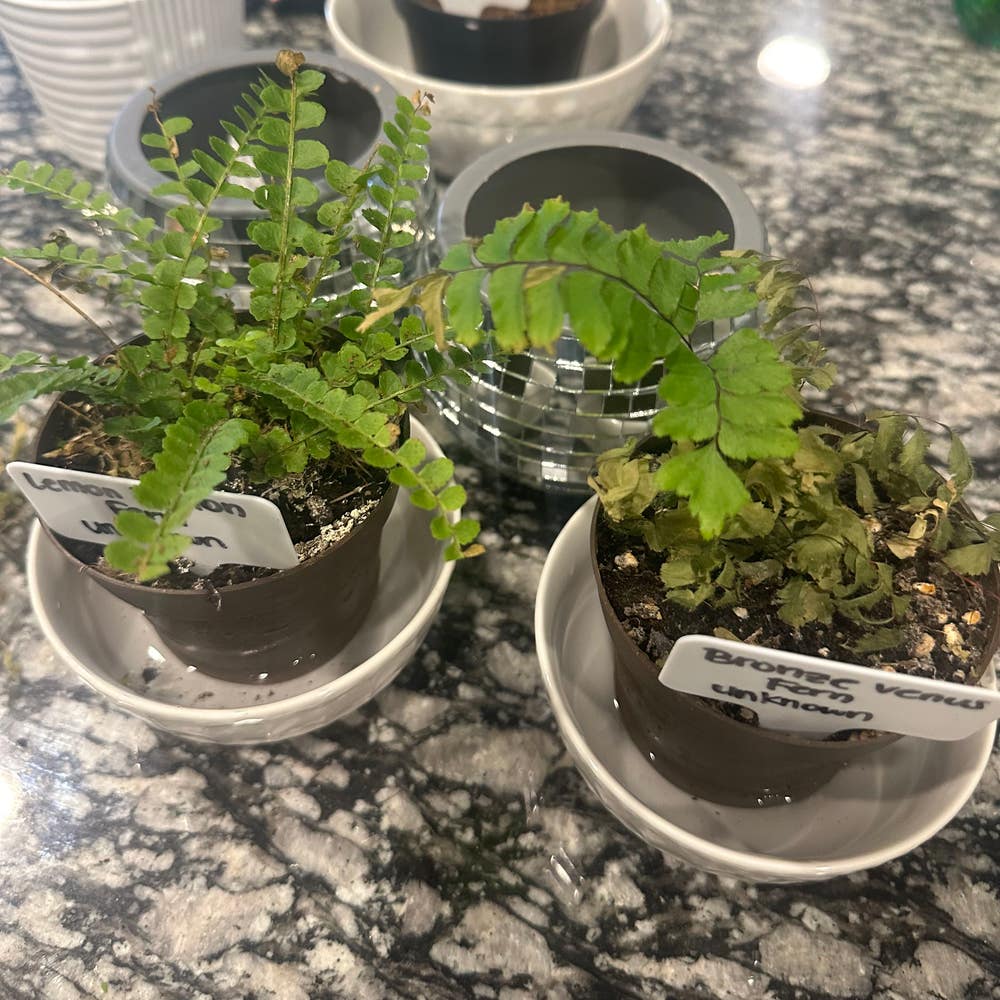
🍋 3 Factors for Optimal Lemon Button Fern Growth
Nephrolepis Cordifolia 'Duffii'
By the Greg Editorial Team
Nov 08, 2024•6 min read
This article was created with the help of AI so we can cover more plants for you. May contain errors. See one? Report it here.
- 🌞 Optimal light and humidity are crucial for healthy Lemon Button Fern growth.
- 🌡️ Maintain temperatures between 60°F to 75°F for best results.
- 🌱 Use well-draining soil and avoid overwatering to prevent root rot.
Optimal Growing Conditions
🌍 Choosing the Right Location
When it comes to growing Lemon Button Ferns, selecting the right location is crucial. Indoor settings offer controlled environments, while outdoor placements can provide natural humidity and light.
For indoor ferns, position them near windows that receive filtered light. This ensures they get enough brightness without the harshness of direct sun. Outdoors, look for shaded areas that shield your fern from intense sunlight, allowing it to thrive comfortably.
💡 Light Requirements
Understanding light requirements is essential for optimal fern growth. Lemon Button Ferns prefer shade or indirect sunlight, which mimics their natural habitat.
If your fern is stretching its fronds or showing pale coloration, it’s a sign it’s not getting enough light. Adjusting its placement can help restore its vibrant green hue and healthy growth.
🌡️ Temperature and Humidity Preferences
Temperature and humidity play significant roles in the health of your Lemon Button Fern. Ideally, keep the temperature between 60°F to 75°F (15°C to 24°C) for optimal growth.
These ferns thrive in high humidity levels, ideally 50% or higher. To boost humidity, consider using pebble trays, misting your fern regularly, or investing in a humidifier. These methods create a more favorable environment, promoting lush, vibrant foliage.
With the right conditions in place, your Lemon Button Fern will flourish, setting the stage for successful soil preparation and planting.
Soil Preparation and Planting
🌱 Ideal Soil Composition
For optimal lemon button fern growth, start with the right soil. A well-draining, rich organic soil is essential to provide the nutrients your fern craves.
The pH level should be slightly acidic to neutral, ideally between 6.0 and 7.0. This balance ensures that the fern can absorb nutrients effectively.
🌿 Steps for Planting
Container Planting
- Choose a pot with drainage holes: This prevents water from accumulating at the bottom, which can lead to root rot.
- Fill with a mix of potting soil and perlite: This combination enhances drainage and aeration.
- Planting depth: Ensure the crown of the fern is level with the soil surface for optimal growth.
Garden Bed Planting
- Prepare the bed: Loosen the soil and mix in organic matter to enrich it.
- Spacing: Plant your ferns 12-18 inches apart to allow for adequate airflow, which helps prevent disease.
💧 Importance of Drainage and Aeration
Good drainage is crucial for the health of your lemon button fern. Poor drainage can lead to root rot and fungal diseases, which are detrimental to your plant's vitality.
To improve drainage, consider adding sand or perlite to your soil mix. These materials create air pockets that allow excess water to escape, keeping your fern's roots healthy and happy.
With the right soil preparation and planting techniques, your lemon button fern will thrive. Next, let’s explore how to properly water and fertilize your fern for continued growth and health.
Watering and Fertilizing
💧 Watering Frequency and Techniques
Maintaining the right moisture level is crucial for your Lemon Button Fern. Aim to keep the soil consistently moist but not soggy, ensuring your fern thrives.
To achieve this, water thoroughly until you see it drain from the bottom of the pot. This technique helps prevent dry spots and ensures the roots receive adequate hydration.
🚫 Signs of Overwatering and Underwatering
Recognizing the signs of overwatering is essential for your fern's health. Look for yellowing leaves and mushy roots, which indicate too much moisture.
On the flip side, underwatering can lead to wilting and crispy leaf edges. Keep an eye on your fern's appearance to adjust your watering routine as needed.
🌱 Recommended Fertilizers and Feeding Schedule
Fertilizing your Lemon Button Fern can boost its growth significantly. Use a balanced, water-soluble fertilizer with an NPK ratio of 10-10-10 for optimal results.
Feed your fern every 4-6 weeks during the growing season, which spans spring and summer. This schedule will help ensure your plant receives the nutrients it needs to flourish.
With proper watering and fertilizing, your Lemon Button Fern will be well on its way to vibrant growth. Next, let’s explore the importance of pruning and maintenance to keep your fern looking its best.
Pruning and Maintenance
When and How to Prune 🌱
Pruning your lemon button fern is best done in early spring, just before new growth starts. Use clean, sharp scissors to carefully remove any dead or damaged fronds, promoting a healthier plant.
Importance of Removing Dead Fronds 🗑️
Removing dead fronds is crucial for encouraging new growth and improving air circulation around the plant. Look for signs like brown, crispy leaves that are no longer viable; these should be pruned away to keep your fern thriving.
Ongoing Care Routine 🔍
Regular inspection of your fern is essential to catch any pests or signs of stress early. Maintenance tasks include dusting the leaves to keep them clean and adjusting your watering routine as needed to ensure optimal health.
By staying attentive to these care routines, you’ll foster a vibrant and resilient lemon button fern that adds beauty to your space. Next, let’s explore common challenges and solutions to keep your fern flourishing.
Common Challenges and Solutions
🐛 Pests and Diseases
Lemon button ferns can face a few pesky intruders, including aphids, spider mites, and mealybugs. These pests can sap your plant's vitality, so it's crucial to keep an eye out for them.
For diseases, root rot and leaf spot are common culprits. To combat these issues, consider using neem oil or insecticidal soap, and ensure you're watering properly to avoid creating overly damp conditions.
🌬️ Environmental Stress Factors
Low humidity can be a significant challenge for lemon button ferns. Symptoms include browning leaf tips and overall droopiness, which can be remedied by using a humidifier or placing a pebble tray filled with water near your plant.
Temperature fluctuations can also stress your fern. Protect it from drafts and extreme heat by positioning it away from windows that might let in cold air or direct sunlight.
🛠️ Troubleshooting Growth Issues
If your fern is showing signs of stunted growth or discoloration, it’s time to investigate. These issues often stem from improper care, such as inadequate light or watering practices.
To help your fern recover, adjust its care routine accordingly. This might include repotting it into fresh soil or changing its location to better suit its needs.
By staying vigilant and proactive, you can ensure your lemon button fern thrives despite these common challenges. Next, let’s explore the essential aspects of pruning and maintenance to keep your fern looking its best.
⚠️ Safety First
This content is for general information and may contain errors, omissions, or outdated details. It is not medical, veterinary advice, or an endorsement of therapeutic claims.
Always consult a qualified healthcare professional before using any plant as food, medicine, or supplement.
Never eat any plant (or feed one to pets) without confirming its identity with at least two trusted sources.
If you suspect poisoning, call Poison Control (800) 222-1222, the Pet Poison Helpline (800) 213-6680, or your local emergency service immediately.
Spotted an error? Please report it here.
Give your Lemon Button Fern the perfect home 🌿 with Greg's tailored care tips and watering reminders, ensuring it thrives in just the right conditions!