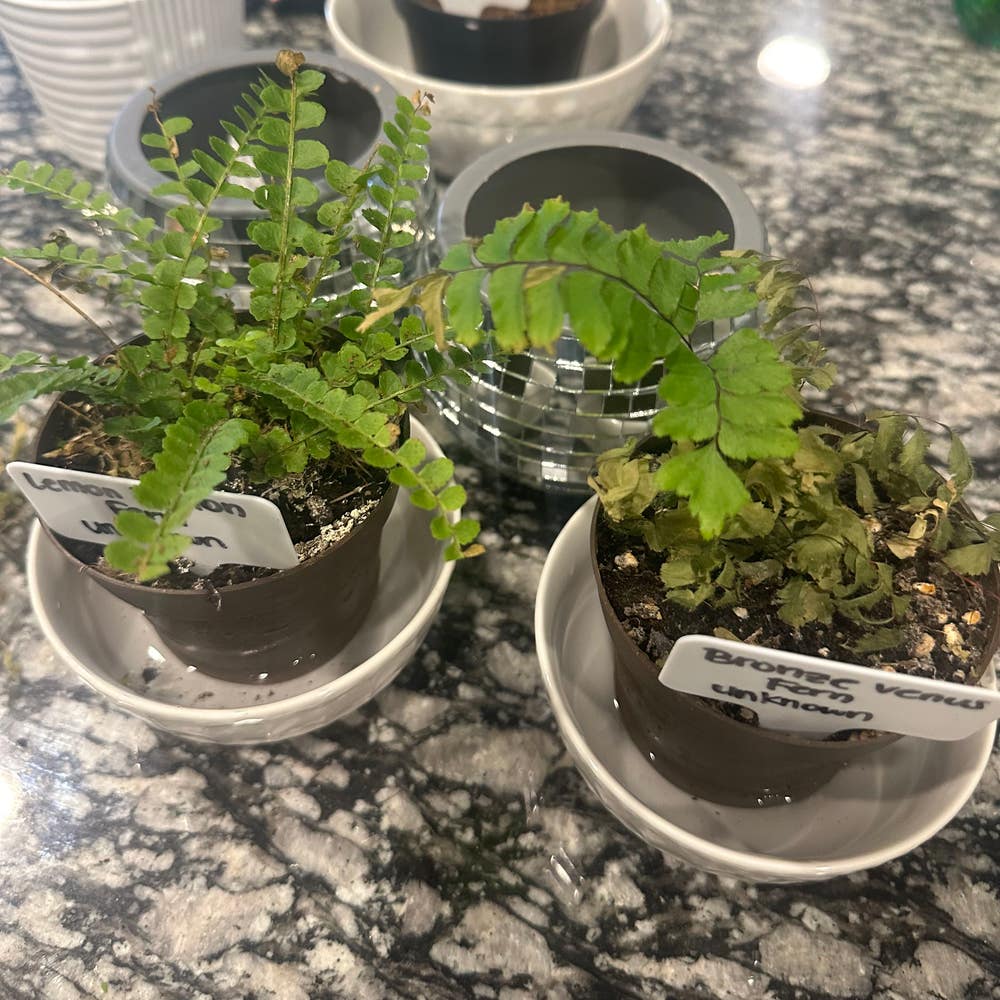
🍋 Lemon Button Fern Buds Falling off
Nephrolepis Cordifolia 'Duffii'
By the Greg Editorial Team
Nov 08, 2024•5 min read
This article was created with the help of AI so we can cover more plants for you. May contain errors. See one? Report it here.
- 🌡️ Temperature fluctuations stress Lemon Button Ferns, causing bud drop. Keep stable conditions.
- 💧 Humidity levels between 50%-70% are crucial for healthy buds. Maintain moisture!
- 🌱 Nutritional deficiencies lead to yellowing leaves and bud loss. Fertilize regularly!
Common Causes of Bud Drop
🌡️ Environmental Stress Factors
Sudden changes in temperature can significantly impact bud retention in Lemon Button Ferns. When temperatures fluctuate dramatically, the plant may struggle to adapt, leading to premature bud drop.
Humidity levels also play a crucial role in the health of your fern. Ideally, Lemon Button Ferns thrive in humidity levels between 50% and 70%. If the air becomes too dry or too humid, the plant may react negatively, resulting in bud loss.
🥦 Nutritional Deficiencies
A lack of essential nutrients can lead to significant issues, including bud drop. Nitrogen, phosphorus, and potassium are vital for healthy growth and flowering.
Signs of nutrient deficiency often manifest as yellowing leaves or stunted growth. If you notice these symptoms, it’s time to reassess your fertilization routine to ensure your fern receives the nutrients it needs.
💧 Watering Issues
Watering practices are critical for maintaining root health and bud stability. Overwatering can suffocate roots, while underwatering can lead to dehydration, both of which can cause buds to fall.
Well-draining soil is essential to prevent root rot, which can be detrimental to your fern's overall health. Make sure your potting mix allows excess water to escape, keeping your plant happy and thriving.
Understanding these common causes of bud drop can help you take proactive steps to ensure your Lemon Button Fern remains vibrant and full of life. Next, we’ll explore the factors that lead to premature flower drop, so you can keep your plant blooming beautifully.
Factors Leading to Premature Flower Drop
🌞 Inadequate Light Conditions
Lemon Button Ferns thrive in bright, indirect light. When they don’t receive enough light, you may notice leaf yellowing and a concerning drop in buds.
🌡️ Temperature Extremes
These ferns prefer a cozy temperature range of 65°F to 75°F (18°C to 24°C). Exposure to cold drafts or excessive heat can disrupt their flowering process, leading to premature bud drop.
🚚 Stress from Transplanting or Relocation
Moving your Lemon Button Fern can cause significant stress, often resulting in shock that affects flowering. To minimize this impact, ensure you handle the plant gently and provide a stable environment after relocation.
By understanding these factors, you can better care for your Lemon Button Fern and promote healthy blooming. Next, let’s explore abnormal flower development issues that may also affect your plant’s health.
Abnormal Flower Development Issues
🧬 Genetic Factors
Genetic predisposition plays a significant role in how Lemon Button Ferns develop their flowers. Variability in flowering can lead to common abnormalities, such as irregular shapes or sizes, which can be frustrating for plant enthusiasts.
🐛 Pest Infestation
Pests can wreak havoc on your fern's flower development. Aphids and mealybugs are among the most common culprits, and their presence can lead to distorted growth and, ultimately, bud drop.
🦠 Disease Impact
Fungal and bacterial diseases can severely impact flowering in Lemon Button Ferns. Keep an eye out for symptoms like wilting, discoloration, and abnormal growth, as these can indicate underlying health issues that need immediate attention.
By understanding these abnormal flower development issues, you can take proactive steps to ensure your Lemon Button Fern thrives. Next, let’s explore effective solutions and remedies to combat bud drop and promote healthy flowering.
Solutions and Remedies
Step-by-Step Solutions for Bud Drop 🌱
To tackle the issue of bud drop in your Lemon Button Fern, start by assessing environmental conditions. Check the light, humidity, and temperature to ensure they align with the plant's needs.
Next, adjust your watering practices. It's crucial to maintain proper moisture levels, as both overwatering and underwatering can lead to stress and bud drop.
Finally, implement a fertilization schedule. Address any nutritional deficiencies by providing essential nutrients like nitrogen, phosphorus, and potassium.
Adjusting Care for Improved Flower Development 🌸
Tailoring your care routine based on observed issues can significantly enhance flower development. Pay attention to how your fern responds to changes in its environment and care practices.
Monitoring your plant's health is key. Regularly check for signs of improvement or further distress, and adjust your approach accordingly to foster a thriving Lemon Button Fern.
By following these steps, you can create a nurturing environment that encourages healthy growth and vibrant blooms. Now, let’s explore how seasonal changes can impact your fern's flowering cycle.
Seasonal Considerations
🌸 Seasonal Changes and Their Effects on Bloom Cycle
Seasonal shifts play a crucial role in the flowering cycle of the Lemon Button Fern. In spring, the plant typically experiences a surge in growth and blooming, while fall may signal a slowdown, leading to potential bud drop.
Adjusting care practices according to the season is essential. For instance, during spring, increase light exposure and humidity to support blooming, while in fall, reduce watering and fertilization to mimic the plant's natural dormancy.
🌼 Preparing for Flowering Season
To ensure your Lemon Button Fern thrives during its flowering season, a pre-bloom care checklist is invaluable. Start by assessing light conditions, ensuring the fern receives bright, indirect sunlight.
Monitoring plant health leading up to bloom time is equally important. Look for signs of stress or nutrient deficiencies, and adjust your care routine accordingly to promote vibrant blooms.
⚠️ Safety First
This content is for general information and may contain errors, omissions, or outdated details. It is not medical, veterinary advice, or an endorsement of therapeutic claims.
Always consult a qualified healthcare professional before using any plant as food, medicine, or supplement.
Never eat any plant (or feed one to pets) without confirming its identity with at least two trusted sources.
If you suspect poisoning, call Poison Control (800) 222-1222, the Pet Poison Helpline (800) 213-6680, or your local emergency service immediately.
Spotted an error? Please report it here.
Keep your Lemon Button Fern thriving 🌿 by using Greg's tailored care reminders to maintain optimal humidity and light, ensuring those buds stay put!