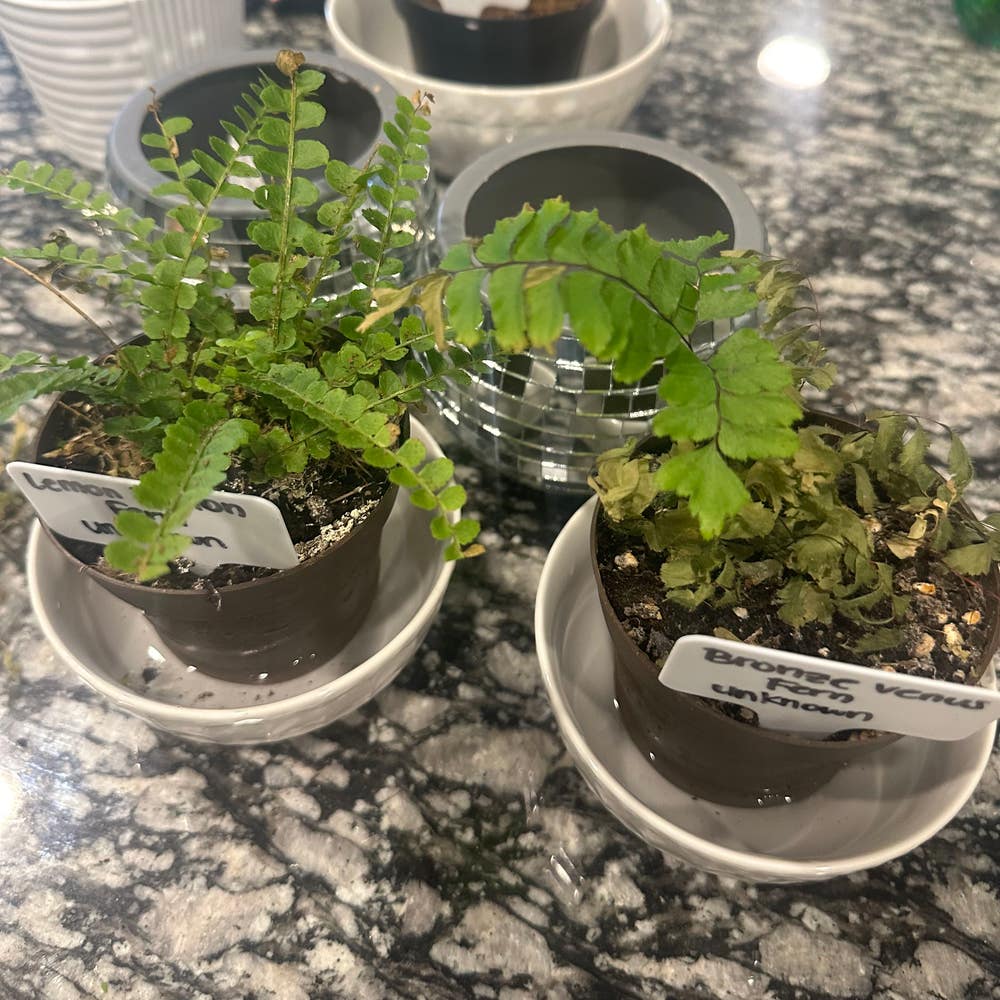
🐛 What's Eating Your Lemon Button Fern
Nephrolepis Cordifolia 'Duffii'
By the Greg Editorial Team
Nov 08, 2024•5 min read
This article was created with the help of AI so we can cover more plants for you. May contain errors. See one? Report it here.
- 🦌 Lemon Button Ferns face threats from deer, rabbits, squirrels, and more.
- 🚫 Effective deterrents include fencing, repellents, and companion planting.
- 🔍 Regular monitoring helps catch damage early and protect your ferns.
Common Herbivores Affecting Lemon Button Fern
🦌 Deer
Signs of presence and damage caused
Deer can be a significant threat to your Lemon Button Fern. Look for hoof prints in muddy areas, which indicate their presence, and signs of damage like fronds that have been browsed, stripped leaves, and stunted growth.
Beneficial vs. harmful interactions
Interactions with deer are generally harmful. They can decimate fern populations, making it crucial to implement protective measures.
Deterrent methods
To deter deer, consider using commercial deer repellents as chemical deterrents. Organic methods include erecting 8-foot tall fences and planting deer-resistant plants nearby to create a less inviting environment.
🐇 Rabbits
Signs of presence and damage caused
Rabbits leave small, round droppings near the fern, signaling their presence. They often chew on fronds and young shoots, leading to noticeable damage.
Beneficial vs. harmful interactions
Rabbits are generally harmful to Lemon Button Ferns. Their feeding habits can severely impact fern growth, making them a concern for gardeners.
Deterrent methods
For easy deterrence, use bitter-tasting sprays as chemical deterrents. Organic options include fencing that is 2-3 feet high and using repellents like garlic or hot pepper spray to keep rabbits at bay.
🐿️ Squirrels
Signs of presence and damage caused
Squirrels can be spotted by their digging around the base of the fern and chewed fronds. Their activity can lead to stripped fronds and disturbed roots.
Beneficial vs. harmful interactions
Interactions with squirrels are generally harmful. Their foraging can weaken your plants, making it essential to take action.
Deterrent methods
To deter squirrels, consider commercial squirrel repellents as a chemical option. Organic methods include scare tactics like reflective tape and noise-making devices to keep them away.
🐦 Birds
Signs of presence and damage caused
Birds leave droppings on or around the fern and may create peck marks on fronds. This can lead to feathered fronds and potential seed dispersal issues.
Beneficial vs. harmful interactions
Birds can be generally beneficial, helping with pest control. However, they may also damage fronds, so it's important to find a balance.
Deterrent methods
To protect your ferns from birds, use netting as an organic method to shield fronds. Reflective objects can also deter birds from approaching your plants.
🐭 Rodents (mice, voles, etc.)
Signs of presence and damage caused
Rodents leave small holes in the ground and droppings near the fern. Their damage includes chewing on roots and fronds, as well as tunneling around the base.
Beneficial vs. harmful interactions
Rodents are generally harmful to Lemon Button Ferns. Their activities can lead to significant plant damage, necessitating effective deterrent strategies.
Deterrent methods
For chemical deterrents, consider using rodent repellents. Organic methods include traps and planting mint or other deterrent plants nearby to keep rodents away.
🦡 Groundhogs/Woodchucks
Signs of presence and damage caused
Groundhogs leave large burrows near the fern and droppings that indicate their presence. They can cause extensive browsing on fronds and even uproot plants.
Beneficial vs. harmful interactions
Interactions with groundhogs are generally harmful. They can devastate fern populations, making them a serious concern for gardeners.
Deterrent methods
To deter groundhogs, use commercial groundhog repellents as a chemical option. Organic methods include erecting 3-4 feet high fences and planting barriers of thorny plants to protect your ferns.
Understanding these common herbivores and their impacts on Lemon Button Ferns is crucial for effective management. With the right deterrent methods, you can protect your ferns and ensure they thrive in your garden. Next, we'll explore general protection strategies to further safeguard your Lemon Button Fern from herbivore damage.
General Protection Strategies for Lemon Button Fern
🛡️ Preventive Measures Against Herbivore Damage
To protect your Lemon Button Fern, start by selecting a planting location that is less frequented by herbivores. This simple choice can significantly reduce the risk of damage.
Companion planting is another effective strategy. By surrounding your fern with plants that naturally deter herbivores, you create a protective barrier that can help keep unwanted visitors at bay.
🐾 Reactive Solutions for Managing Animal Interactions
Regular monitoring is crucial for maintaining the health of your fern. Keep an eye out for signs of animal presence, such as tracks or chewed fronds.
When you notice any signs of damage, act quickly. Implement deterrent methods immediately to minimize further harm and protect your plant.
🍂 Seasonal Variations in Animal Attraction to the Plant
Be aware that animal activity can vary with the seasons. In spring, herbivores are particularly active as they seek out tender shoots to munch on.
As fall approaches, many animals begin foraging more aggressively in preparation for winter. Staying vigilant during these times can help you safeguard your fern from potential threats.
By employing these strategies, you can create a thriving environment for your Lemon Button Fern while keeping herbivores at bay. Next, let’s explore the toxicity and safety of this unique plant.
Toxicity and Safety
🌿 Mild Toxicity of Lemon Button Fern
Lemon Button Ferns are known to have mild toxicity, which can pose potential risks to some herbivores if consumed in large quantities. While they aren't deadly, the adverse effects can lead to discomfort or digestive issues for animals that munch on them.
🐾 Implications for Animal Interactions
Understanding the toxicity of Lemon Button Ferns is crucial for effective management strategies. This knowledge can help gardeners protect both their ferns and local wildlife, ensuring a balanced ecosystem where both plants and animals can thrive.
By being aware of these interactions, you can make informed decisions about how to care for your Lemon Button Ferns while minimizing harm to visiting herbivores.
As we move forward, let's explore general protection strategies to keep your ferns safe from herbivores.
⚠️ Safety First
This content is for general information and may contain errors, omissions, or outdated details. It is not medical, veterinary advice, or an endorsement of therapeutic claims.
Always consult a qualified healthcare professional before using any plant as food, medicine, or supplement.
Never eat any plant (or feed one to pets) without confirming its identity with at least two trusted sources.
If you suspect poisoning, call Poison Control (800) 222-1222, the Pet Poison Helpline (800) 213-6680, or your local emergency service immediately.
Spotted an error? Please report it here.
Keep your Lemon Button Ferns thriving 🌿 by using Greg's personalized care tips to fend off pesky herbivores and ensure they flourish in your garden!