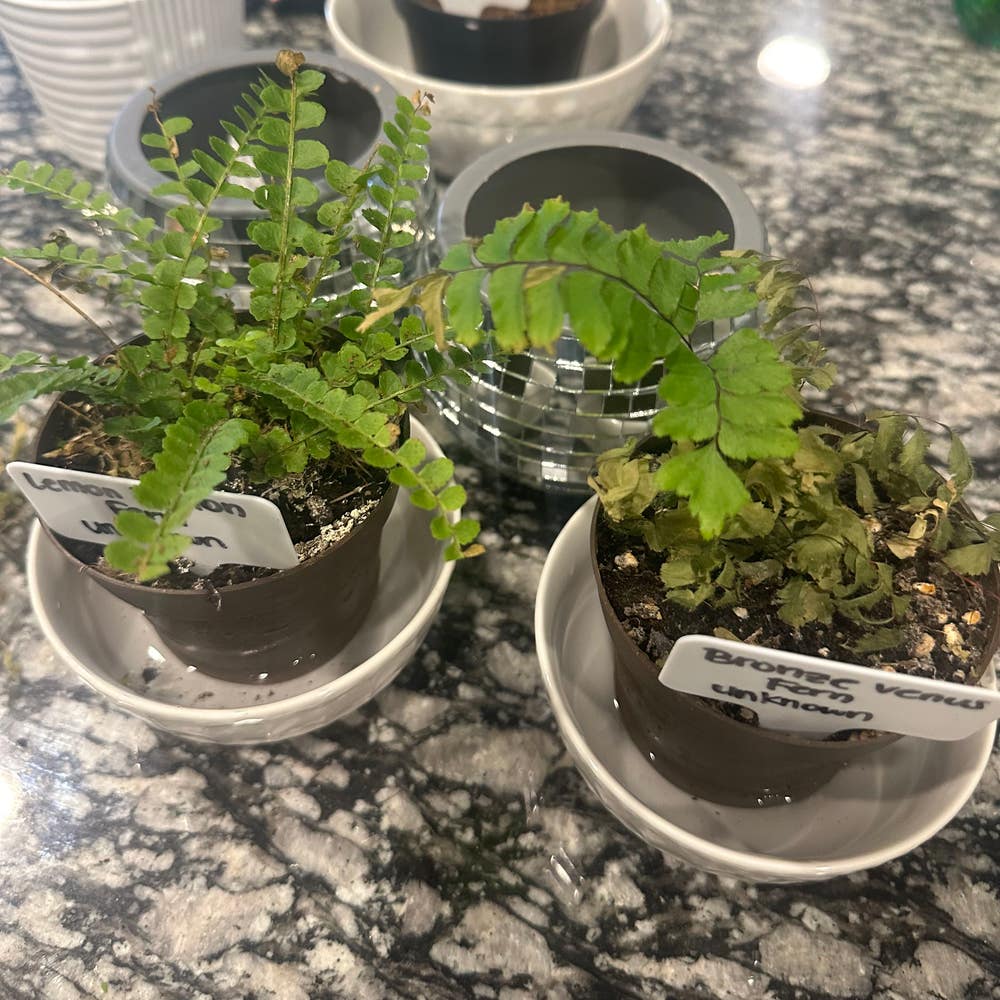
🍋 6 Steps to a Healthy Outdoor Lemon Button Fern
Nephrolepis Cordifolia 'Duffii'
By the Greg Editorial Team
Nov 08, 2024•6 min read
This article was created with the help of AI so we can cover more plants for you. May contain errors. See one? Report it here.
- 🌞 Lemon Button Ferns need 3-6 hours of sunlight to thrive without leaf scorch.
- 💧 Keep soil consistently moist; overwatering causes yellow leaves, while underwatering leads to wilting.
- 🌱 Fertilize every 4-6 weeks during growing season for optimal health and growth.
Outdoor Care Requirements
Sunlight Needs 🌞
When it comes to sunlight, Lemon Button Ferns thrive best in partial shade, enjoying about 3 to 6 hours of direct sunlight daily. Too much sun can lead to leaf scorch and browning edges, signaling that your fern needs a bit of relief from those harsh rays.
Watering Requirements 🚰
Maintaining a consistent watering schedule is crucial for your fern's health. Aim to keep the soil consistently moist but not soggy, and water deeply to encourage robust root growth.
Signs of Overwatering or Underwatering
Be vigilant about the signs your fern gives you. Overwatering can cause yellowing leaves and root rot, while underwatering leads to wilting and crispy leaf tips.
Soil Preferences 🌱
Lemon Button Ferns prefer well-draining, rich organic soil to flourish. The ideal pH range is slightly acidic to neutral, between 6.0 and 7.0, which helps ensure optimal nutrient absorption.
Importance of Drainage
Good drainage is essential for preventing root rot and promoting healthy growth. Without it, your fern may struggle to thrive, so consider adding organic matter to improve soil structure.
With these outdoor care requirements in mind, your Lemon Button Fern will be well on its way to thriving in your garden. Next, let’s explore the best planting options to maximize its growth potential.
Planting Options
🌱 Container Planting
Container planting offers several advantages for your Lemon Button Fern. It allows for mobility, enabling you to reposition the plant for optimal sunlight or protection from harsh weather.
However, there are drawbacks to consider. Limited root space can restrict growth, and containers typically require more frequent watering to keep the soil moist.
🌍 Ground Planting
Ground planting provides a more natural growth environment for your fern. It allows for a larger root system, which can lead to healthier plants.
On the flip side, ground planting comes with its own challenges. Your fern may be more vulnerable to pests and diseases, and you'll have less control over soil conditions.
📍 Choosing the Right Location for Planting
Selecting the right location is crucial for your fern's success. Consider factors like sunlight exposure, wind protection, and proximity to water sources to create an ideal environment.
Microclimates play a significant role in outdoor settings. A sheltered spot can provide warmth and humidity, enhancing your fern's growth potential.
With these planting options in mind, you can make an informed decision that best suits your gardening style and the needs of your Lemon Button Fern. Next, let's explore the fertilization and nutrient needs to keep your fern thriving.
Fertilization and Nutrient Needs
🌱 Types of Fertilizers Suitable for Lemon Button Fern
When it comes to fertilizing your Lemon Button Fern, you have a couple of solid options. Organic choices like compost and well-rotted manure enrich the soil naturally, while synthetic options such as balanced NPK fertilizers (10-10-10) provide a quick nutrient boost.
⏰ Frequency and Timing of Fertilization
To keep your fern thriving, stick to a fertilization schedule of every 4-6 weeks during the growing season. The best times to fertilize are early spring and mid-summer, aligning with the plant's growth phases for maximum effectiveness.
⚠️ Signs of Nutrient Deficiency
Watch for signs that your fern might be lacking essential nutrients. Common deficiencies include nitrogen, which causes yellowing leaves, and iron, leading to interveinal chlorosis, where the veins remain green while the leaf tissue turns yellow.
Regular monitoring is crucial for maintaining healthy growth. By keeping an eye on your fern's condition, you can catch any issues early and ensure it remains vibrant and lush.
With a solid understanding of fertilization and nutrient needs, you're well on your way to nurturing a healthy Lemon Button Fern. Next, let's explore how to protect your fern from weather extremes and pesky pests.
Protection from Weather and Pests
🌧️ Weather Protection Strategies
Protecting your Lemon Button Fern from extreme weather is crucial for its health. For frost protection, consider covering your plants with frost cloth or moving containers indoors when temperatures drop.
During intense heat, providing shade can prevent stress. Mulching around the base helps retain moisture, ensuring your fern stays hydrated. After heavy rain, check drainage to avoid waterlogging, which can lead to root issues.
🐞 Common Outdoor Pests
Outdoor pests can be a nuisance for your fern. Common culprits include aphids, spider mites, and mealybugs, which can damage leaves and stunt growth.
To control these pests, use neem oil or insecticidal soap. Introducing beneficial insects, like ladybugs, can also help keep pest populations in check.
🦠 Diseases Affecting Lemon Button Fern
Lemon Button Ferns are susceptible to a few diseases, primarily root rot and leaf spot. Root rot often results from overwatering, while leaf spot can arise from poor air circulation.
To prevent these issues, practice proper watering techniques and ensure good airflow around your plants. Regular monitoring can help you catch problems early, keeping your fern thriving.
With these protective measures in place, your Lemon Button Fern will be better equipped to handle the elements and pests. Next, let’s explore how to provide the right seasonal care for your fern to ensure its continued health and vibrancy.
Seasonal Care and Climate Considerations
Seasonal Changes and Their Impact on Care 🌱
Spring is a crucial time for your Lemon Button Fern. This is when you should focus on fertilization and monitoring new growth to ensure your plant thrives.
As summer arrives, increase your watering routine and stay vigilant for pests. The heat can stress your fern, so regular checks are essential.
In the fall, prepare your fern for dormancy by gradually reducing watering. This helps the plant conserve energy as it enters a resting phase.
Winter brings its own challenges. Protect your fern from frost and extreme cold to ensure it survives until spring.
Special Considerations for Different Climate Zones 🌍
Understanding your climate zone is key to successful fern care. Tropical climates may require more frequent watering and humidity control, while temperate zones might need more winter protection.
Choose varieties suited to your climate. Some ferns thrive in specific conditions, so selecting the right type can make all the difference.
Preparing the Fern for Seasonal Transitions 🍂
In spring, rejuvenation pruning and fertilization will kickstart growth. Trim away any dead fronds to encourage new shoots.
During summer, keep a close eye on pests and diseases. Regular monitoring can prevent infestations from taking hold.
As fall approaches, apply mulch around the base of your fern. This helps insulate the roots and prepares the plant for cooler temperatures.
In winter, if your fern is in a container, insulate the roots to protect them from freezing. Covering with frost cloth can also shield it from harsh conditions.
By following these seasonal care tips, your Lemon Button Fern will flourish throughout the year. Next, let’s dive into the essential topic of protection from weather and pests.
⚠️ Safety First
This content is for general information and may contain errors, omissions, or outdated details. It is not medical, veterinary advice, or an endorsement of therapeutic claims.
Always consult a qualified healthcare professional before using any plant as food, medicine, or supplement.
Never eat any plant (or feed one to pets) without confirming its identity with at least two trusted sources.
If you suspect poisoning, call Poison Control (800) 222-1222, the Pet Poison Helpline (800) 213-6680, or your local emergency service immediately.
Spotted an error? Please report it here.
Nurture your Lemon Button Fern to vibrant growth 🌱 with Greg's tailored watering alerts and expert care tips, ensuring it thrives in your outdoor haven!