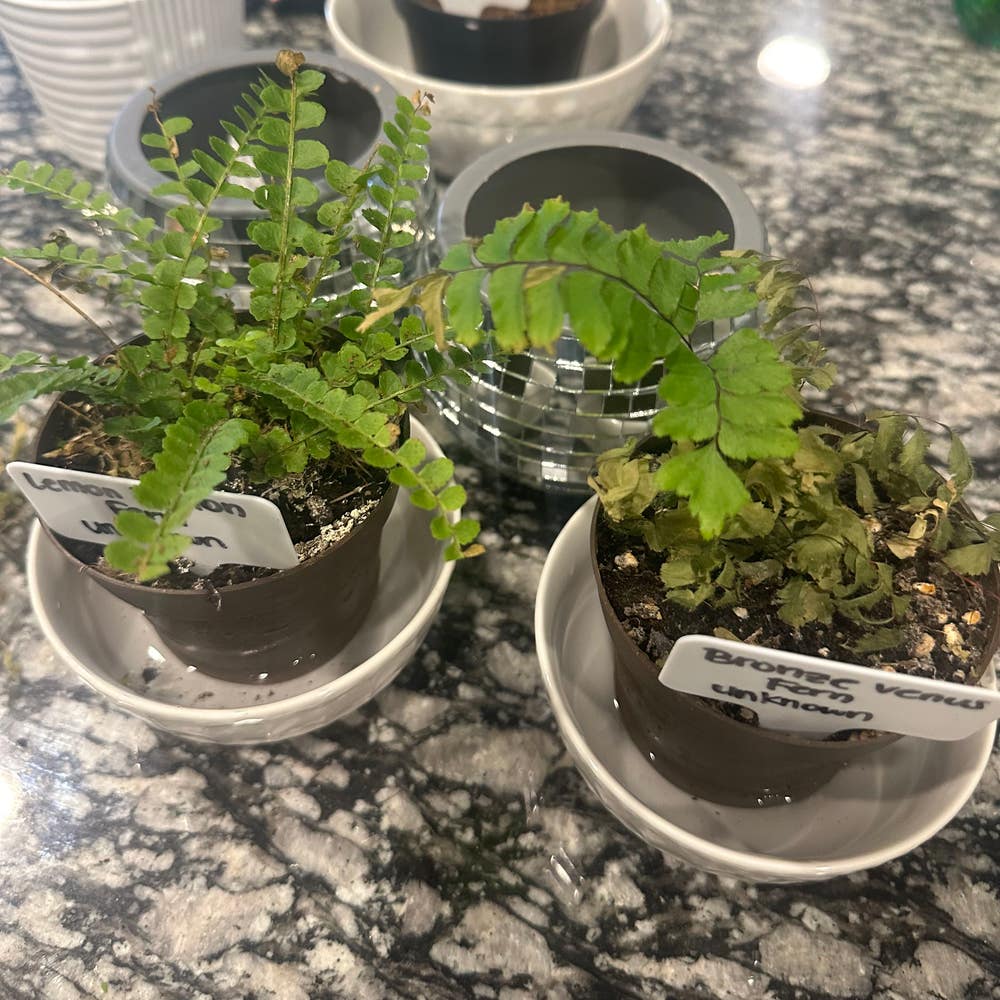
🍋 Lemon Button Fern Is Not Considered a Weed
Nephrolepis Cordifolia 'Duffii'
By the Greg Editorial Team
Nov 08, 2024•6 min read
This article was created with the help of AI so we can cover more plants for you. May contain errors. See one? Report it here.
- 🌱 Lemon Button Fern is non-invasive, making it a safe garden choice.
- 🌿 Thrives in shade and moisture, perfect for low-light garden areas.
- 🌍 Supports biodiversity by providing habitat for beneficial insects and enriching soil.
Plant Classification
Definition of Invasive Species 🌱
Invasive species are non-native plants that spread aggressively, often disrupting local ecosystems. They outcompete native flora, leading to a decline in biodiversity and altering habitats.
The Lemon Button Fern, however, does not fit this definition. It is not classified as an invasive species due to its non-aggressive growth patterns, making it a safe choice for gardens and natural landscapes.
This fern thrives in specific conditions without overwhelming its surroundings, allowing it to coexist peacefully with other plants. Its gentle nature contributes positively to garden aesthetics without the risk of it becoming a nuisance.
Understanding these classifications helps gardeners make informed choices, ensuring they promote healthy ecosystems while enjoying the beauty of diverse plant life.
In the next section, we will explore the growth habits of the Lemon Button Fern, highlighting its unique characteristics and ideal growing conditions.
Growth Habits
Typical Growth Patterns in Gardens 🌱
The Lemon Button Fern exhibits a charming clumping growth form, characterized by its small, button-like leaflets. This fern thrives in moist, shaded areas, making it a perfect addition to gardens that lack direct sunlight.
With a moderate growth rate, the Lemon Button Fern typically reaches heights of about 1 to 2 feet. Its compact size allows it to fit seamlessly into various garden designs, adding lush greenery without overwhelming the space.
Natural Limits to Growth and Spread Potential 🚧
Several factors naturally limit the growth of the Lemon Button Fern. Its preference for shaded environments means it competes less with sun-loving plants, allowing it to flourish in its ideal habitat.
Additionally, the fern's moisture requirements restrict its spread in drier conditions. To maintain optimal growth, regular watering and mulching are essential, ensuring the fern remains healthy and vibrant in your garden.
Incorporating the Lemon Button Fern into your landscape not only enhances its beauty but also supports a balanced ecosystem, making it a wise choice for any gardener.
Ecological Role
Benefits in Ecosystems 🌱
The Lemon Button Fern plays a vital role in enhancing soil quality. Its organic matter contribution enriches the soil, making it more fertile for other plants.
Additionally, this fern helps prevent soil erosion, particularly in shaded areas where it thrives. By stabilizing the soil, it protects the ecosystem from degradation.
Positive Interactions with Local Wildlife and Plants 🦋
This fern serves as a habitat for beneficial insects, providing both shelter and food sources. Pollinators, in particular, find refuge among its lush foliage.
Moreover, the Lemon Button Fern is compatible with native ferns and other shade-loving plants. This compatibility enhances biodiversity, creating a thriving ecosystem in your garden.
Incorporating the Lemon Button Fern not only beautifies your space but also supports local wildlife. Its presence fosters a balanced environment, making it a fantastic choice for eco-conscious gardeners.
As we explore garden management next, consider how this fern can fit into your design while promoting ecological health.
Garden Management
Incorporating into Garden Designs 🌳
Lemon Button Ferns are perfect for shaded areas, making them a fantastic choice for gardens under trees or in woodland settings. Their lush, clumping growth adds texture and greenery, whether used in borders or as ground cover.
When planning your garden, consider grouping these ferns with other shade-loving plants to create a vibrant, layered look. Their unique button-like leaflets can complement various foliage, enhancing the overall aesthetic of your garden.
Growth Control Methods for Aesthetic Purposes ✂️
To keep your Lemon Button Ferns looking their best, regular pruning is essential. This helps maintain their desired size and shape, ensuring they fit seamlessly into your garden design.
If you find that your ferns are spreading more than you'd like, consider using barriers to limit their growth. Regular monitoring is crucial; check your garden periodically to ensure the ferns don’t encroach on neighboring plants, preserving the harmony of your garden space.
Incorporating Lemon Button Ferns into your garden not only beautifies your space but also supports local ecosystems. Their low maintenance needs make them an excellent choice for sustainable gardening practices.
Comparison to Other Plants
🌿 Similar Non-Invasive Plants for Comparison
When considering non-invasive ferns, the Maidenhair Fern and Boston Fern stand out. Both of these ferns share similar growth habits, thriving in shaded areas and offering lush greenery.
- Maidenhair Fern: Known for its delicate, fan-shaped leaflets, it adds a soft touch to any garden.
- Boston Fern: This fern features long, arching fronds that create a dramatic effect, perfect for hanging baskets or as a floor plant.
These ferns not only enhance garden aesthetics but also contribute to a healthy ecosystem by providing habitat and food for local wildlife.
✨ Unique Qualities
The Lemon Button Fern boasts distinctive features that set it apart. Its small, button-like leaflets form a charming clumping growth, making it a unique addition to any garden.
Moreover, it excels in low-light conditions, allowing it to thrive where many other plants struggle. This versatility makes it an excellent choice for shaded spots, under trees, or in woodland gardens, where it can flourish alongside other shade-loving plants.
Incorporating the Lemon Button Fern into your garden not only enriches the visual appeal but also supports biodiversity. Its non-invasive nature ensures it won't overpower other plants, making it a responsible choice for eco-conscious gardeners.
As we explore the legal and environmental considerations of planting, it’s clear that the Lemon Button Fern is a valuable asset to sustainable gardening practices.
Legal and Environmental Considerations
🌱 Relevant Classifications and Guidelines
When considering the Lemon Button Fern for your garden, it's essential to understand its classification. This fern is recognized as non-invasive in many regions, meaning it won't disrupt local ecosystems or outcompete native plants.
Local regulations often support the planting of non-invasive species like the Lemon Button Fern. Always check with local gardening guidelines to confirm its status in your area, ensuring you're making an environmentally friendly choice.
🌍 Role in Sustainable Gardening Practices
Incorporating non-invasive plants is crucial for supporting local ecosystems. By choosing the Lemon Button Fern, you're promoting biodiversity and creating a balanced garden environment.
This fern is not only low maintenance but also environmentally friendly. Its ability to thrive in shaded areas makes it an excellent choice for sustainable landscaping, allowing you to enjoy a lush garden without harming local flora.
In summary, the Lemon Button Fern stands out as a responsible choice for gardeners looking to enhance their spaces sustainably. Its benefits extend beyond aesthetics, contributing positively to the environment and local wildlife.
As you plan your garden, consider how this fern can play a role in your landscape, leading to a thriving, eco-friendly space.
⚠️ Safety First
This content is for general information and may contain errors, omissions, or outdated details. It is not medical, veterinary advice, or an endorsement of therapeutic claims.
Always consult a qualified healthcare professional before using any plant as food, medicine, or supplement.
Never eat any plant (or feed one to pets) without confirming its identity with at least two trusted sources.
If you suspect poisoning, call Poison Control (800) 222-1222, the Pet Poison Helpline (800) 213-6680, or your local emergency service immediately.
Spotted an error? Please report it here.
Enhance your garden with the charming Lemon Button Fern 🌿, and let Greg guide you with tailored watering reminders and care tips to keep it thriving in its perfect shady spot!