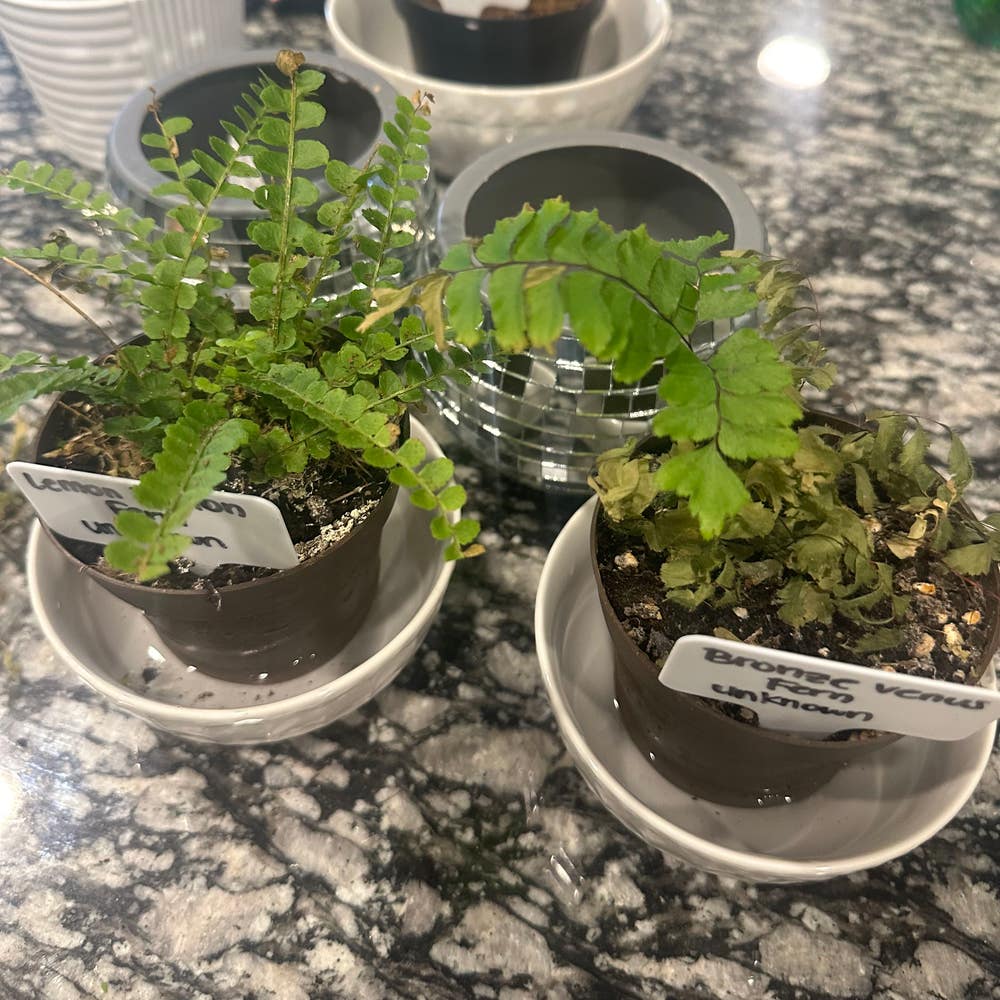
🐝 4 Easy Ways to Pollinate Lemon Button Fern
Nephrolepis Cordifolia 'Duffii'
By the Greg Editorial Team
Nov 08, 2024•6 min read
This article was created with the help of AI so we can cover more plants for you. May contain errors. See one? Report it here.
- 🌱 Lemon Button Fern self-pollinates, ensuring reproduction without external help.
- 🐝 Attract pollinators like bees and butterflies to enhance genetic diversity.
- 🌿 Hand pollination boosts success; timing and technique are key for fertilization.
Determining Self-Pollination vs. Cross-Pollination
🌱 Self-Pollination
The Lemon Button Fern is a remarkable plant, primarily relying on self-pollination. This ability allows it to reproduce without needing external pollinators, making it resilient in various environments.
Self-pollination offers significant benefits. It ensures that the fern can reproduce even in isolated conditions, which is crucial for survival. Additionally, it helps maintain genetic stability, allowing the plant to thrive consistently over generations.
🌼 Cross-Pollination
While self-pollination is the norm for Lemon Button Ferns, cross-pollination plays a vital role in enhancing genetic diversity. This process can lead to stronger, more adaptable plants, which is essential for long-term health.
Understanding both self-pollination and cross-pollination is key for optimal plant health and reproduction. By recognizing these processes, you can better appreciate the fern's unique reproductive strategies and ensure its success in your garden.
Flower Structure
🌼 Description of Flower Structure
The Lemon Button Fern features small, button-like leaflets that mimic the appearance of flowers. These leaflets are typically green, but you can find variations in cultivars like 'Nana' and 'Compacta,' adding a splash of diversity to your plant collection.
The arrangement of these leaflets is compact and feathery, creating a lush, textured look. This unique structure not only enhances the fern's aesthetic appeal but also plays a crucial role in its reproductive processes.
🐝 Role of Flower Structure in Facilitating Pollination
The compact growth habit of the Lemon Button Fern is a game-changer for pollen transfer. By minimizing the distance between reproductive parts, it makes self-pollination more efficient.
Additionally, the fern's adaptations promote self-pollination while also attracting pollinator species when needed. This dual functionality ensures that the fern can thrive in various conditions, making it a resilient choice for any plant enthusiast.
Understanding the flower structure is essential for appreciating how this fern successfully reproduces, whether through self-pollination or with the help of its pollinator friends. As we dive deeper into the pollination process, you'll see how these features come into play.
Pollination Process
🌱 Mechanisms of Self-Pollination
The Lemon Button Fern is a master of self-pollination, efficiently transferring pollen within its own structure. This process occurs when pollen from the male parts, or anthers, lands on the female parts, known as stigmas, ensuring reproduction without needing external help.
Self-pollination offers several advantages. It guarantees that the fern can reproduce even in isolated environments, maintaining genetic stability and resilience.
🐝 Identification of Primary Pollinators
While self-pollination is effective, the Lemon Button Fern also benefits from various pollinators. Bees are particularly attracted to the fern's structure and moisture, making them key players in the pollination process.
Butterflies find refuge in the humidity and shelter provided by the fern, while moths and hummingbirds visit during their feeding activities. These pollinators not only enhance genetic diversity but also contribute to the overall health and vitality of the fern.
Understanding both self-pollination and the role of these pollinators is crucial for fostering optimal growth and reproduction. As we explore hand pollination techniques next, consider how you can support these vital creatures in your gardening efforts.
Hand Pollination Techniques
Hand pollination can be a rewarding way to ensure your Lemon Button Fern thrives. Here’s a straightforward guide to help you navigate the process.
Step-by-Step Instructions for Hand Pollination 🌼
Identify Male and Female Flower Parts:
Start by locating the male parts, known as anthers, which produce pollen. The female parts are called stigmas, and they receive the pollen.Collecting Pollen:
Use a small brush or cotton swab to gently gather pollen from the anthers. This step is crucial for effective transfer.Transferring Pollen:
Carefully apply the collected pollen to the stigma of the female parts. This delicate touch is key to successful fertilization.Timing:
Perform this process during peak flowering periods for the best results. Timing can significantly impact your success rate.
Ensuring Successful Fertilization 🌱
To monitor the hand pollination process, keep an eye out for signs of successful fertilization. Look for changes in the fern's growth or the development of new fronds.
By following these steps, you can enhance the reproductive success of your Lemon Button Fern. This hands-on approach not only boosts plant health but also deepens your connection with nature.
Next, let’s explore how to support pollinators in your garden for even better results!
Supporting Pollinators
🌼 Creating a Pollinator-Friendly Environment
To support pollinators around your Lemon Button Fern, start by planting native species. Native plants are adapted to local conditions and provide essential food sources for bees, butterflies, and other beneficial insects.
Additionally, ensure there are water sources nearby. A small birdbath or shallow dish can offer hydration for thirsty pollinators. Providing shelter, such as brush piles or native grasses, will also create safe havens for these vital creatures.
🌿 Companion Plants that Attract Beneficial Pollinators
Choosing the right companion plants can significantly enhance your garden's pollinator activity. Consider planting:
- Lavender: Its fragrant blooms attract bees and butterflies.
- Echinacea (Coneflower): A favorite among pollinators, it thrives in sunny spots.
- Milkweed: Essential for monarch butterflies, it supports their lifecycle.
These plants not only complement the Lemon Button Fern but also create a vibrant ecosystem that encourages pollination. By fostering a diverse plant community, you’ll enhance the health and productivity of your fern.
Incorporating these strategies will not only benefit your Lemon Button Fern but also contribute to the overall health of your garden. Next, let's explore the common challenges faced in pollination and how to overcome them.
Pollination Challenges
Common Obstacles to Successful Pollination 🌧️
Pollination can be tricky for Lemon Button Ferns due to various environmental factors. Temperature fluctuations, humidity levels, and drought conditions can all hinder the delicate process of pollination.
Additionally, the decline in pollinator populations poses a significant challenge. Urbanization and habitat loss have led to fewer bees, butterflies, and other essential pollinators visiting these ferns.
Solutions for Overcoming Pollination Challenges 🌼
To improve pollination success, consider adjusting your care practices. Enhancing humidity and light conditions can create a more favorable environment for both the fern and its pollinators.
Implementing companion planting is another effective strategy. By introducing plants that attract beneficial pollinators, you can create a thriving ecosystem around your Lemon Button Fern.
Monitoring environmental conditions is crucial. Stay attuned to changes and adapt your care accordingly to support successful pollination.
With these strategies, you can help your Lemon Button Fern flourish, ensuring it receives the pollination it needs to thrive.
⚠️ Safety First
This content is for general information and may contain errors, omissions, or outdated details. It is not medical, veterinary advice, or an endorsement of therapeutic claims.
Always consult a qualified healthcare professional before using any plant as food, medicine, or supplement.
Never eat any plant (or feed one to pets) without confirming its identity with at least two trusted sources.
If you suspect poisoning, call Poison Control (800) 222-1222, the Pet Poison Helpline (800) 213-6680, or your local emergency service immediately.
Spotted an error? Please report it here.
Boost your Lemon Button Fern's pollination success 🌿 with Greg's personalized care tips and reminders, ensuring a thriving environment for both your ferns and their pollinators!