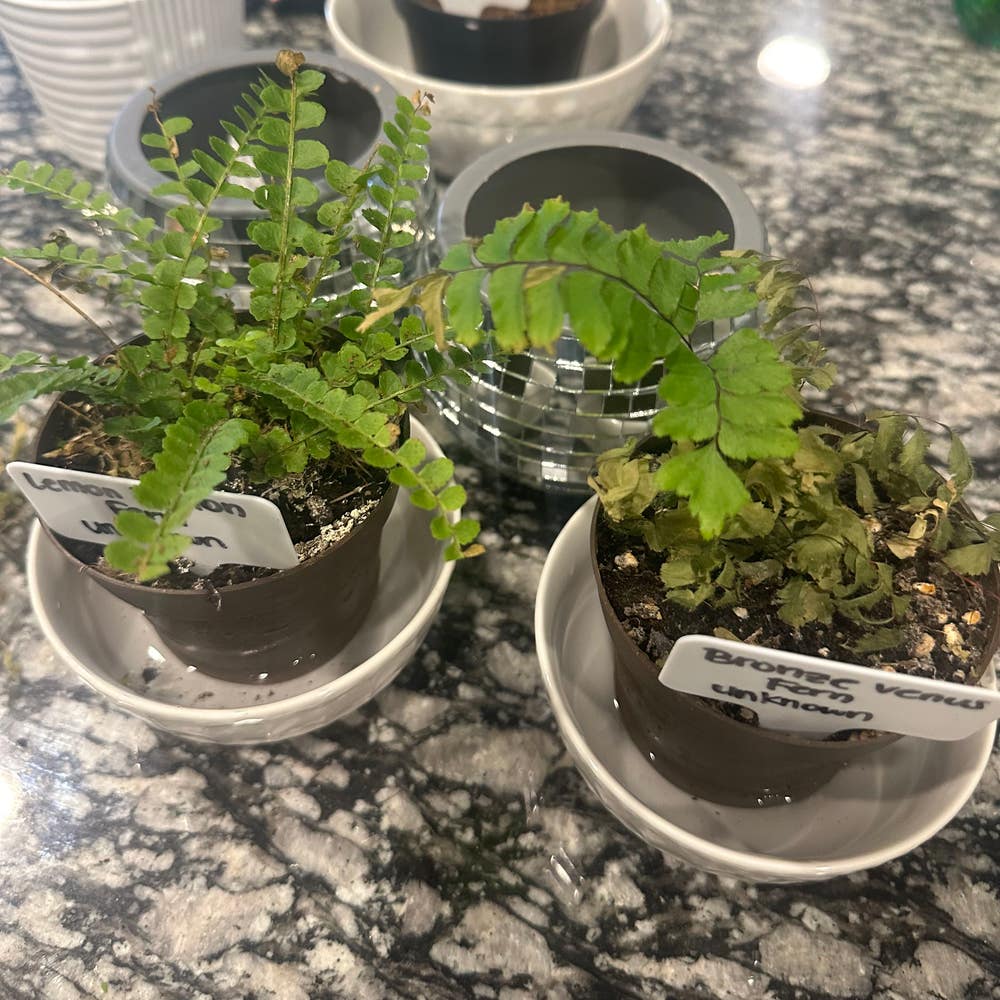
🍋 Top 5 Pot Options to Make Your Lemon Button Fern Thrive
Nephrolepis Cordifolia 'Duffii'
By the Greg Editorial Team
Nov 08, 2024•5 min read
This article was created with the help of AI so we can cover more plants for you. May contain errors. See one? Report it here.
- 🌱 Young Lemon Button Ferns thrive in 4-6 inch pots; mature ones need 8-12 inches.
- 🕒 Repot every 1-2 years or when roots outgrow their pot for optimal health.
- 💧 Drainage holes are essential; aim for 3-4 to prevent waterlogging and root rot.
Importance of Pot Size for Different Growth Stages
🌱 Young Plants
For young Lemon Button Ferns, a container size of 4-6 inches in diameter is ideal. This size allows the roots to expand comfortably without overcrowding, which is crucial for healthy growth.
🌳 Mature Plants
As your fern matures, it will need more space. A pot size of 8-12 inches in diameter is recommended for mature plants, taking into account their growth habits and the potential for root crowding.
🔄 Transitioning Between Sizes
Knowing when to upgrade your pot size is key to your fern's health. Generally, you should repot every 1-2 years or whenever you notice the roots beginning to outgrow their current pot.
By keeping an eye on your plant's growth and adjusting the pot size accordingly, you can ensure your Lemon Button Fern thrives at every stage of its life.
Ideal Materials for Pots
🌱 Clay Pots
Clay pots are a popular choice for Lemon Button Ferns due to their breathability and ability to regulate moisture. However, they are heavier than other options and can dry out more quickly, requiring more frequent watering.
🪴 Plastic Pots
Plastic pots offer a lightweight alternative that retains moisture better than clay. They often come with drainage holes, but their less breathable nature can lead to root rot if you’re not careful.
🎨 Other Materials
Ceramic and terracotta pots provide aesthetic appeal, making them a stylish choice for indoor decor. Just keep in mind that they may need additional drainage solutions to prevent waterlogging.
Metal pots, on the other hand, are generally not recommended. They tend to retain heat and lack proper drainage, which can be detrimental to your fern's health.
Choosing the right pot material is crucial for your Lemon Button Fern's success. Each option has its pros and cons, so consider your plant's needs and your own maintenance preferences.
As you explore potting options, remember that the right material can make all the difference in your fern's growth and vitality. Next, let’s dive into the importance of drainage considerations to ensure your plant thrives.
Drainage Considerations
🌊 Importance of Drainage Holes
Drainage holes are crucial for preventing waterlogging in your Lemon Button Fern. They allow excess water to escape, promoting healthy root systems and preventing the dreaded root rot.
For optimal moisture control, aim for at least 3-4 drainage holes in your pot. This ensures that your fern has the right balance of moisture without sitting in soggy soil.
🚫 Effects of Poor Drainage
Poor drainage can lead to several alarming symptoms. Overwatering often manifests as yellowing fronds, root rot, and stunted growth, which can be distressing for any plant parent.
Long-term consequences of inadequate drainage include a decline in plant health and, in severe cases, the potential death of your fern. It's essential to address drainage issues promptly to keep your plant thriving.
🛠️ Recommended Drainage Solutions
To enhance drainage, start with potting soil that has good drainage properties, such as fern potting soil. This type of soil is specifically designed to support the unique needs of ferns.
Incorporating materials like perlite or sand can further improve drainage. These additions help create air pockets in the soil, allowing for better water flow and root health.
By prioritizing drainage, you set your Lemon Button Fern up for success, ensuring it remains vibrant and healthy. Next, let’s explore the best practices for repotting your fern to keep it growing strong.
Repotting Guidelines
🕒 When to Repot
Repotting your Lemon Button Fern is essential for its health and growth. Look for signs like roots emerging from drainage holes, stunted growth, or soil degradation, which indicate it's time for a new pot.
Timing is crucial; the best period for repotting is in spring or early summer, aligning with the plant's growing season. This ensures your fern has the best chance to thrive in its new environment.
📋 Step-by-Step Guide
Follow these steps for a successful repotting experience:
- Prepare the New Pot: Choose a pot with drainage holes and fill it with fresh potting soil.
- Remove the Fern: Gently take the fern out of its current pot, being careful not to damage the roots.
- Inspect the Roots: Check for any signs of rot or damage and trim any unhealthy roots as needed.
- Position the Fern: Place the fern in the new pot, ensuring it sits at the same depth as it did before.
- Fill with Soil: Add fresh soil around the fern, gently pressing down to eliminate air pockets.
- Water Thoroughly: Give the fern a good drink and allow excess water to drain out.
By following these steps, you’ll help your Lemon Button Fern continue to grow strong and healthy. A well-timed repotting can make all the difference in its overall vitality.
Next, let’s explore common mistakes in potting that can hinder your fern’s growth.
Common Mistakes in Potting
🪴 Overpotting vs. Underpotting
Overpotting occurs when you choose a pot that's too large for your Lemon Button Fern. This can lead to excess moisture retention, which is a recipe for root rot.
On the flip side, underpotting restricts root growth. A pot that's too small can stress your plant, stunting its development and overall health.
🚰 Misunderstanding Drainage Needs
Many people assume that all pots are created equal, but that's a common misconception. It's crucial to check for adequate drainage features before making a purchase.
Without proper drainage, your fern could suffer from waterlogged roots, leading to serious health issues.
🧱 Choosing Inappropriate Materials
Using non-breathable materials can be detrimental to your plant's health. Materials like plastic can trap moisture, leading to root problems.
Selecting pots that align with the specific needs of your Lemon Button Fern is essential. Opt for breathable options that promote healthy growth and prevent moisture buildup.
By avoiding these common mistakes, you can create a thriving environment for your Lemon Button Fern. Next, let's explore the importance of drainage considerations to ensure your plant remains healthy and vibrant.
⚠️ Safety First
This content is for general information and may contain errors, omissions, or outdated details. It is not medical, veterinary advice, or an endorsement of therapeutic claims.
Always consult a qualified healthcare professional before using any plant as food, medicine, or supplement.
Never eat any plant (or feed one to pets) without confirming its identity with at least two trusted sources.
If you suspect poisoning, call Poison Control (800) 222-1222, the Pet Poison Helpline (800) 213-6680, or your local emergency service immediately.
Spotted an error? Please report it here.
Keep your Lemon Button Fern thriving 🌿 by choosing the right pot and letting Greg guide you with tailored reminders for repotting and care!