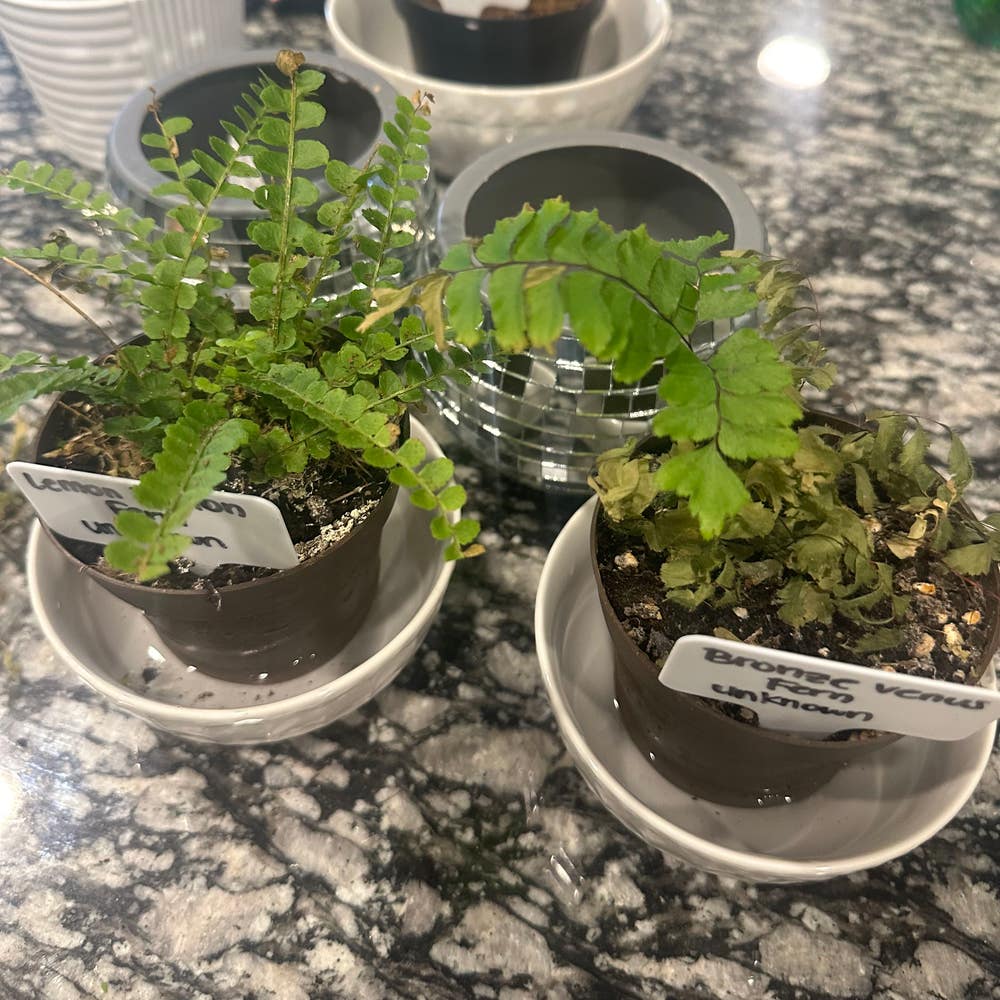
🍋 Lemon Button Fern Is Not an Annual
Nephrolepis Cordifolia 'Duffii'
By the Greg Editorial Team
Nov 08, 2024•6 min read
This article was created with the help of AI so we can cover more plants for you. May contain errors. See one? Report it here.
- 🌱 Lemon Button Ferns are perennial, thriving for years with proper care.
- 💧 Moisture retention is vital; their unique leaves help survive diverse climates.
- 🌿 Misunderstood as annuals, they naturally enter dormancy in colder seasons.
Characteristics of Lemon Button Fern
🌱 Genetic Traits
Lemon Button Ferns are marvels of adaptation, thriving in humid environments where many plants struggle. Their genetic makeup equips them with resilience against seasonal changes and various environmental stressors, ensuring they can survive in diverse conditions.
🌿 Physiological Traits Supporting Perennial Classification
The leaf structure of the Lemon Button Fern plays a crucial role in moisture retention. Its unique design allows it to capture and hold water, which is vital for its survival.
Additionally, this fern boasts an extensive rhizome network. This underground system not only stores nutrients but also facilitates regrowth, enabling the plant to bounce back after unfavorable conditions.
To endure dry seasons, the Lemon Button Fern employs several survival mechanisms. These adaptations are essential for maintaining its perennial status, allowing it to thrive even when conditions are less than ideal.
⏳ Long-Term Lifecycle
The lifecycle of the Lemon Button Fern begins with spore germination, progressing through various growth stages until it reaches maturity. This process can take time, but the rewards are well worth the wait.
In terms of lifespan, these ferns can thrive for many years, provided they receive the right conditions. They flourish in environments that mimic their native humid habitats, showcasing their preference for moisture and shade.
Seasonally, Lemon Button Ferns exhibit distinct behaviors. During dormancy, they may appear to slow down, but with the right care, they will regrow vigorously when conditions improve. This cyclical pattern is a testament to their resilience and adaptability.
Growth and Reproductive Strategies
🌱 Growth Patterns
The Lemon Button Fern exhibits a unique spreading habit, forming dense clumps that create lush green carpets in shaded areas. These ferns thrive in humid environments, making them ideal for gardens that mimic their natural habitat.
Optimal growth conditions include consistent moisture and filtered light, which help maintain their vibrant foliage. Seasonal dynamics play a crucial role, as these ferns actively grow in warmer months and may slow down during cooler periods.
🌿 Reproductive Strategies
Lemon Button Ferns reproduce through spores, which are produced in specialized structures on the underside of their leaves. These spores are released into the air, where they can travel to suitable locations for germination.
For successful spore release, high humidity and warmth are essential. Unlike annual plants that often have a single reproductive cycle, Lemon Button Ferns can produce spores multiple times throughout the growing season, showcasing their perennial nature.
Understanding these growth and reproductive strategies is key to appreciating the resilience and adaptability of the Lemon Button Fern. As we explore misconceptions and exceptions in the next section, we’ll uncover how environmental factors can influence perceptions of this remarkable plant.
Misconceptions and Exceptions
🌱 Conditions Leading to Misclassification
Many gardeners mistakenly classify the Lemon Button Fern as an annual due to its dieback in colder climates. This seasonal dieback can create the illusion that the fern has perished, when in fact, it is simply entering a dormant phase, ready to regrow when conditions improve.
Indoor environments can also skew perceptions of the Lemon Button Fern's lifespan. In less-than-ideal conditions, such as low humidity or insufficient light, these ferns may struggle, leading to the belief that they are short-lived plants.
🌍 Regional Variations
The adaptability of the Lemon Button Fern is impressive, allowing it to thrive in various climates. Whether in tropical regions or temperate zones, this fern can adjust its growth habits to suit its environment.
Care for the Lemon Button Fern can vary significantly based on regional conditions. Gardeners in humid areas may find it grows robustly, while those in drier climates might need to implement additional moisture-retaining strategies to support its health.
Understanding these misconceptions and regional variations is crucial for successful cultivation. With the right knowledge, you can appreciate the true nature of the Lemon Button Fern and its perennial beauty.
As we move forward, let’s explore the garden design implications of incorporating this unique fern into your landscape.
Garden Design Implications
🌿 Advantages in Perennial Gardens
Lemon Button Ferns bring a unique aesthetic appeal to perennial gardens. Their vibrant green fronds and delicate texture create a lush backdrop that enhances the overall beauty of any garden space.
Beyond their visual charm, these ferns contribute significantly to biodiversity. They provide habitat and food for various wildlife, fostering a balanced ecosystem right in your backyard.
🏡 Planning Garden Designs
When incorporating Lemon Button Ferns into your garden, consider companion planting strategies. Pairing them with shade-loving plants can create a harmonious environment that maximizes growth and visual interest.
Layout considerations are also crucial for optimal growth. Position these ferns in areas with filtered light and ample humidity to ensure they thrive, creating a lush, inviting space that showcases their beauty.
By thoughtfully integrating Lemon Button Ferns into your garden design, you can enjoy both their aesthetic and ecological benefits, making your garden a vibrant sanctuary.
Management Tips for Gardeners
Best Practices for Perennial Management 🌱
To keep your Lemon Button Fern thriving, regular maintenance is key. This includes routine watering, pruning, and checking for pests to ensure healthy growth.
Monitoring humidity and light conditions is crucial. These ferns prefer a humid environment with indirect light, so adjusting their location can make a significant difference.
Enhancing Growth and Health 🌿
For indoor care, mimic tropical conditions to boost growth. This can involve using humidifiers or placing the fern on a pebble tray filled with water.
When outdoors, adjust care based on seasonal changes. Ensure the fern is shaded during the hottest parts of the day to prevent leaf scorch.
Seasonal Care Considerations 🍂
In spring, encourage growth by fertilizing and monitoring for pests. This is the time to give your fern a little extra love as it comes out of dormancy.
During summer, maintain humidity levels. Regular misting can help keep the leaves lush and vibrant.
As fall approaches, prepare for dormancy. Protect your fern from frost by bringing it indoors or covering it with mulch if it's outside. This preparation ensures it survives the winter and returns strong in the spring.
With these management tips, your Lemon Button Fern will not only survive but thrive, adding beauty and life to your garden. Next, let’s explore the garden design implications of incorporating this unique perennial.
⚠️ Safety First
This content is for general information and may contain errors, omissions, or outdated details. It is not medical, veterinary advice, or an endorsement of therapeutic claims.
Always consult a qualified healthcare professional before using any plant as food, medicine, or supplement.
Never eat any plant (or feed one to pets) without confirming its identity with at least two trusted sources.
If you suspect poisoning, call Poison Control (800) 222-1222, the Pet Poison Helpline (800) 213-6680, or your local emergency service immediately.
Spotted an error? Please report it here.
Nurture your Lemon Button Ferns for years of beauty 🌿 with Greg's tailored watering and humidity reminders, ensuring they thrive through every season!