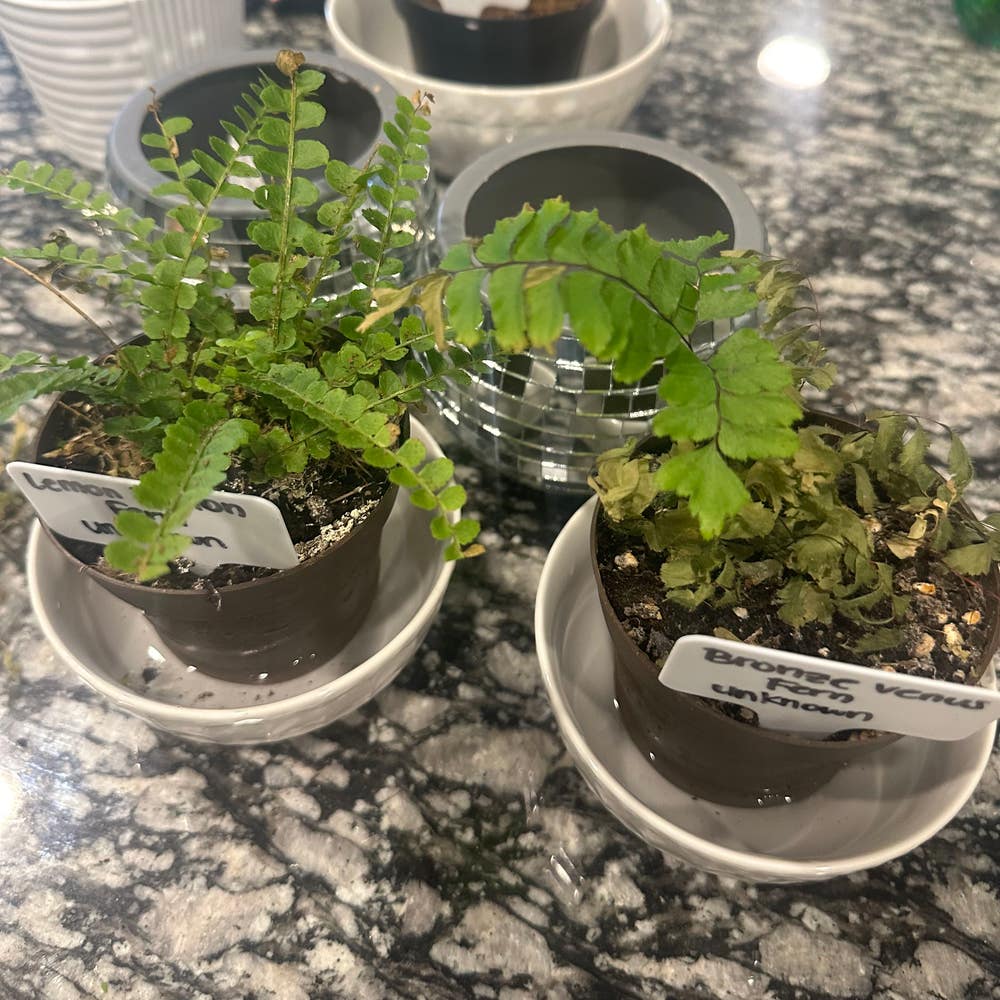
🍋 Key Stages in the Life of a Lemon Button Fern
Nephrolepis Cordifolia 'Duffii'
By the Greg Editorial Team
Nov 08, 2024•5 min read
This article was created with the help of AI so we can cover more plants for you. May contain errors. See one? Report it here.
- 🌱 Lemon Button Fern seeds germinate in 2-4 weeks with proper temperature and moisture.
- 💧 High humidity (60-80%) and indirect sunlight are crucial for healthy growth.
- 🌿 Full maturity takes 1-2 years, with notable growth during peak seasons.
Germination Stage
🌱 Duration of Germination
The germination period for Lemon Button Fern seeds typically spans 2 to 4 weeks. This timeframe can vary based on several factors, including temperature, moisture levels, and seed viability.
🌡️ Conditions for Successful Germination
To ensure successful germination, maintain an optimal temperature range of 20°C to 25°C (68°F to 77°F).
Moisture Requirements
Seeds need consistent moisture, but be careful to avoid waterlogging, which can hinder growth.
Light Conditions
Provide indirect sunlight or place the seeds in shaded areas. This prevents drying out and supports healthy germination.
By creating the right environment, you set the stage for your Lemon Button Fern to thrive. Next, we’ll explore the exciting characteristics of seedlings as they begin to emerge.
Seedling Stage
🌱 Characteristics of Seedlings
During the seedling stage, Lemon Button Ferns exhibit small, delicate fronds that are easily recognizable by their heart-shaped leaflets. By the end of this stage, they typically reach a height of 2 to 4 inches, showcasing their early growth.
Root development is crucial at this stage. The seedlings work hard to establish a robust root system, which is essential for nutrient uptake and overall health.
⏳ Duration of the Seedling Stage
The seedling stage lasts approximately 4 to 8 weeks. As the seedlings grow, you'll notice key transition indicators, such as the development of true leaves and an increase in height.
This period is vital for setting the foundation for future growth. Observing these changes can be quite rewarding, as it signals that your fern is on its way to becoming a lush, mature plant.
With the seedlings well on their way, let's explore the next exciting phase: the vegetative growth stage.
Vegetative Growth Stage
🌱 Description of Vegetative Growth
During the vegetative growth stage, the Lemon Button Fern experiences a remarkable transformation. This phase is characterized by the rapid expansion of both fronds and root systems, leading to a vibrant display of lush, green foliage.
The leaves develop a distinctive heart shape, adding to the plant's charm. This fern is adaptable, thriving in various light conditions but showing a clear preference for indirect sunlight, which helps it flourish.
⏳ Duration and Environmental Needs
The duration of vegetative growth can range from 6 months to several years, depending on the environmental conditions. To ensure optimal growth, certain factors must be carefully managed.
- Humidity: High humidity levels between 60-80% are crucial for the fern's health.
- Soil: A well-draining soil rich in organic matter supports robust growth.
- Watering: Regular watering is essential to maintain soil moisture, but care must be taken to avoid waterlogging.
By providing these ideal conditions, you can witness your Lemon Button Fern thrive and reach its full potential. As it grows, you'll notice the vibrant changes in its foliage and overall health, setting the stage for the next exciting phases of its life cycle.
Flowering and Seed Production
🌼 Description of Flowering in Ferns
Flowering in ferns is quite rare, and the Lemon Button Fern primarily relies on spores for reproduction. If flowering does occur, it typically produces small, inconspicuous spore cases that are easily overlooked.
⏳ Duration and Conditions for Flowering
The duration of the flowering stage can vary significantly and is usually short-lived. For successful flowering, the plant requires optimal environmental conditions, particularly adequate humidity and light.
🌱 Process of Seed Production
Spores are produced in specialized structures known as sporangia. These spores are released during favorable environmental conditions, ensuring the best chance for germination.
🌍 Duration and Environmental Factors Affecting Seed Production
The seed production phase can last several weeks to months, depending on the surrounding conditions. Key environmental factors such as humidity, temperature, and light exposure play a crucial role in influencing spore viability and production.
Understanding the flowering and seed production stages of the Lemon Button Fern highlights the unique reproductive strategies of ferns. This knowledge sets the stage for appreciating the growth rate and maturation of these fascinating plants.
Growth Rate and Maturation
🌱 How Long Until Fully Grown?
The Lemon Button Fern typically reaches full maturity in about 1 to 2 years under ideal conditions. You'll know it's mature when it showcases fully developed fronds and a robust root system.
⚡️ How Fast Does It Grow?
During its peak growing season, this fern exhibits a moderate growth rate, often adding several inches each month. Factors such as environmental conditions, care practices, and propagation methods can significantly influence this growth rate.
🌿 Notable Changes Throughout the Life Cycle
As the Lemon Button Fern matures, it transitions from delicate seedlings to lush, vibrant ferns. You'll notice changes in leaf size and shape, alongside the development of a more extensive root system over time.
☀️ Environmental Factors Affecting Growth Rate
Light plays a crucial role; adequate indirect sunlight can promote faster growth. Additionally, higher humidity levels enhance overall health, while nutrient-rich, well-draining soil supports vigorous growth.
Understanding these growth dynamics can help you cultivate a thriving Lemon Button Fern, ensuring it flourishes beautifully in your space. Next, let’s explore the flowering and seed production stage, where things get a bit more complex.
⚠️ Safety First
This content is for general information and may contain errors, omissions, or outdated details. It is not medical, veterinary advice, or an endorsement of therapeutic claims.
Always consult a qualified healthcare professional before using any plant as food, medicine, or supplement.
Never eat any plant (or feed one to pets) without confirming its identity with at least two trusted sources.
If you suspect poisoning, call Poison Control (800) 222-1222, the Pet Poison Helpline (800) 213-6680, or your local emergency service immediately.
Spotted an error? Please report it here.
Nurture your Lemon Button Fern to lush perfection 🌿 with Greg's tailored watering alerts and humidity tips that ensure every stage of its growth is a success!