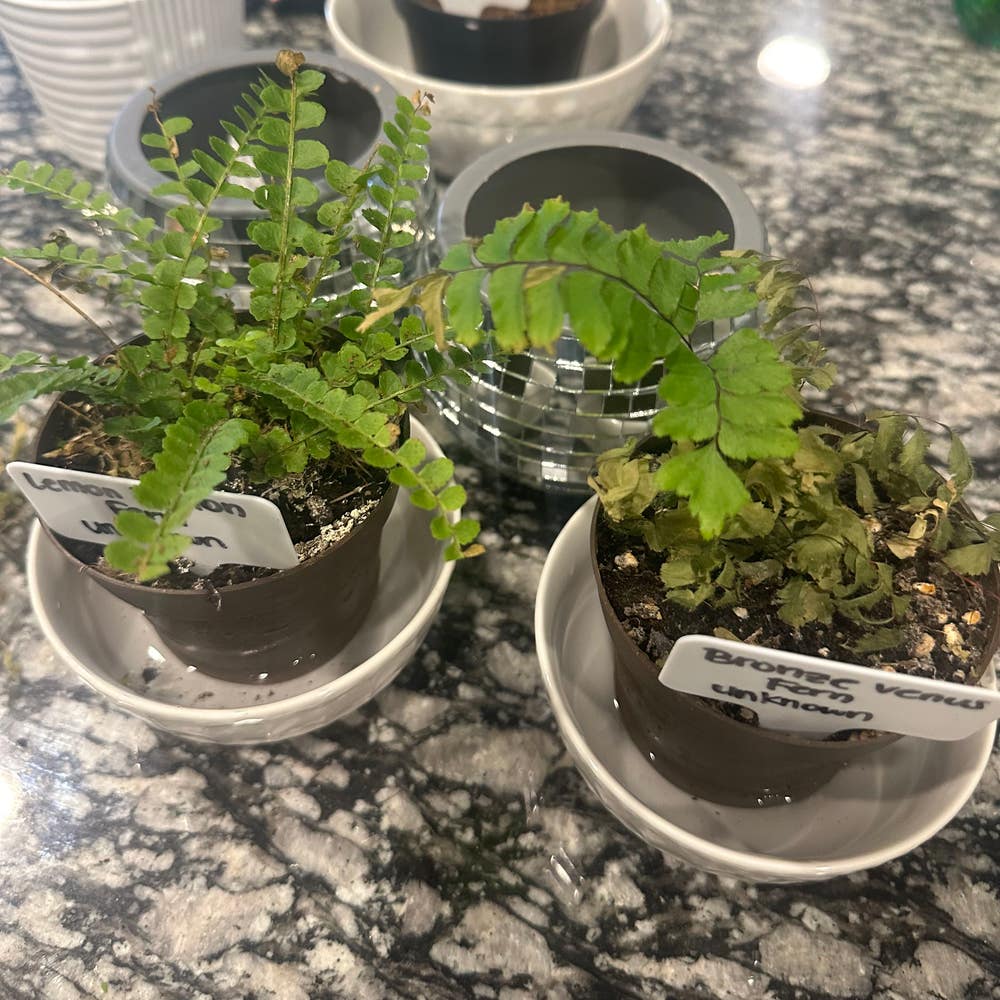
🍋 Where Can Lemon Button Fern Grow? Zones 9a-11b
Nephrolepis Cordifolia 'Duffii'
By the Greg Editorial Team
Nov 08, 2024•4 min read
This article was created with the help of AI so we can cover more plants for you. May contain errors. See one? Report it here.
- 🌱 Lemon Button Ferns thrive in zones 9a-11b, ideal for warmer climates.
- 🌡️ Optimal growth temperature is 60°F to 80°F; avoid frost exposure.
- 💧 High humidity and well-draining soil are crucial for healthy Lemon Button Ferns.
Lemon Button Fern Temperature Tolerance
❄️ Cold Tolerance Specifics
Lemon Button Ferns are surprisingly resilient, able to withstand temperatures as low as 20°F (-6°C). However, they are sensitive to frost, so it's best to plant them after the last frost date to ensure their health.
☀️ Heat Tolerance Specifics
On the warmer side, these ferns thrive in temperatures reaching up to 95°F (35°C). They flourish best in humid conditions, which help mitigate any heat stress they might experience.
🌡️ Ideal Temperature Ranges for Growth
For optimal growth, aim for a temperature range between 60°F to 80°F (15°C to 27°C). Consistent temperatures within this range promote healthy growth and prevent stress on the plant, making it crucial for any gardener looking to cultivate these ferns successfully.
Understanding the temperature tolerance of Lemon Button Ferns is essential for their successful cultivation. With the right conditions, these ferns can thrive beautifully in your garden. Next, let’s explore the ideal growing regions for Lemon Button Fern.
Ideal Growing Regions for Lemon Button Fern
🌍 Examples of US States in Zones 9a-11b
Lemon Button Fern thrives in specific regions across the United States, particularly in hardiness zones 9a to 11b.
- Zone 9a: California, Texas, and Florida are prime locations where this fern can flourish.
- Zone 10a: Southern California, parts of Louisiana, and southern Texas provide the warm conditions needed for growth.
- Zone 11b: Hawaii and southern Florida offer the ideal tropical climate for Lemon Button Fern.
🌱 Factors Contributing to Ideal Growing Conditions
For Lemon Button Fern to thrive, certain environmental factors must be met.
- Warm, Humid Climate: This fern loves warmth and humidity, which are essential for its growth and vitality.
- Well-Draining Soil: The right soil type is crucial; it should retain moisture without becoming waterlogged. This balance helps prevent root rot and supports healthy growth.
Understanding these ideal growing regions and conditions will help you cultivate a thriving Lemon Button Fern. With the right environment, this fern can become a stunning addition to your garden or indoor space.
Microclimates and Their Impact
🌦️ Definition and Benefits of Microclimates
Microclimates are small areas where the climate conditions differ from the surrounding environment. For Lemon Button Ferns, these microclimates can provide crucial benefits, such as protection from frost and increased humidity, which are essential for their growth.
🌍 Examples of Microclimates That Benefit Lemon Button Fern
Urban gardens often create microclimates due to heat retention from buildings and pavement. These environments can keep the temperature warmer, providing a more favorable setting for Lemon Button Ferns.
Shaded areas also serve as beneficial microclimates. They protect the ferns from direct sunlight and wind, helping to maintain the humidity levels that these plants thrive on.
Understanding and utilizing microclimates can significantly enhance your success in growing Lemon Button Ferns. By strategically placing them in these favorable conditions, you can create an ideal environment for their growth.
As we explore the state-level suitability for Lemon Button Ferns, consider how these microclimates can play a role in your gardening strategy.
State-Level Suitability Analysis
🌿 List of States Suitable for Lemon Button Fern
Lemon Button Fern thrives in several states, particularly California, Texas, Florida, Louisiana, and Hawaii. These regions boast warm temperatures, high humidity, and minimal frost, creating the perfect environment for this lush plant.
🚫 List of States Not Suitable for Lemon Button Fern
On the flip side, states like North Dakota, Montana, Wyoming, and parts of the Northeast are not suitable for growing Lemon Button Fern. The harsh winters, frequent frost, and low humidity levels in these areas make it challenging for the fern to survive.
🌡️ Reasons for Suitability or Unsuitability Based on Climate Factors
Several climate factors determine the suitability of a region for Lemon Button Fern. Average minimum temperatures, frost dates, and humidity levels play crucial roles in whether this fern can flourish.
Understanding local climate variations is vital for successful cultivation. By knowing these factors, you can make informed decisions about where to plant your Lemon Button Fern, ensuring it thrives in its environment.
As we explore the next section, we'll delve into how microclimates can further enhance the growing conditions for this delightful fern.
⚠️ Safety First
This content is for general information and may contain errors, omissions, or outdated details. It is not medical, veterinary advice, or an endorsement of therapeutic claims.
Always consult a qualified healthcare professional before using any plant as food, medicine, or supplement.
Never eat any plant (or feed one to pets) without confirming its identity with at least two trusted sources.
If you suspect poisoning, call Poison Control (800) 222-1222, the Pet Poison Helpline (800) 213-6680, or your local emergency service immediately.
Spotted an error? Please report it here.
Grow your Lemon Button Fern thrivingly 🌱 with Greg's tailored care reminders for humidity and soil needs, ensuring it flourishes in the perfect conditions of zones 9a to 11b!