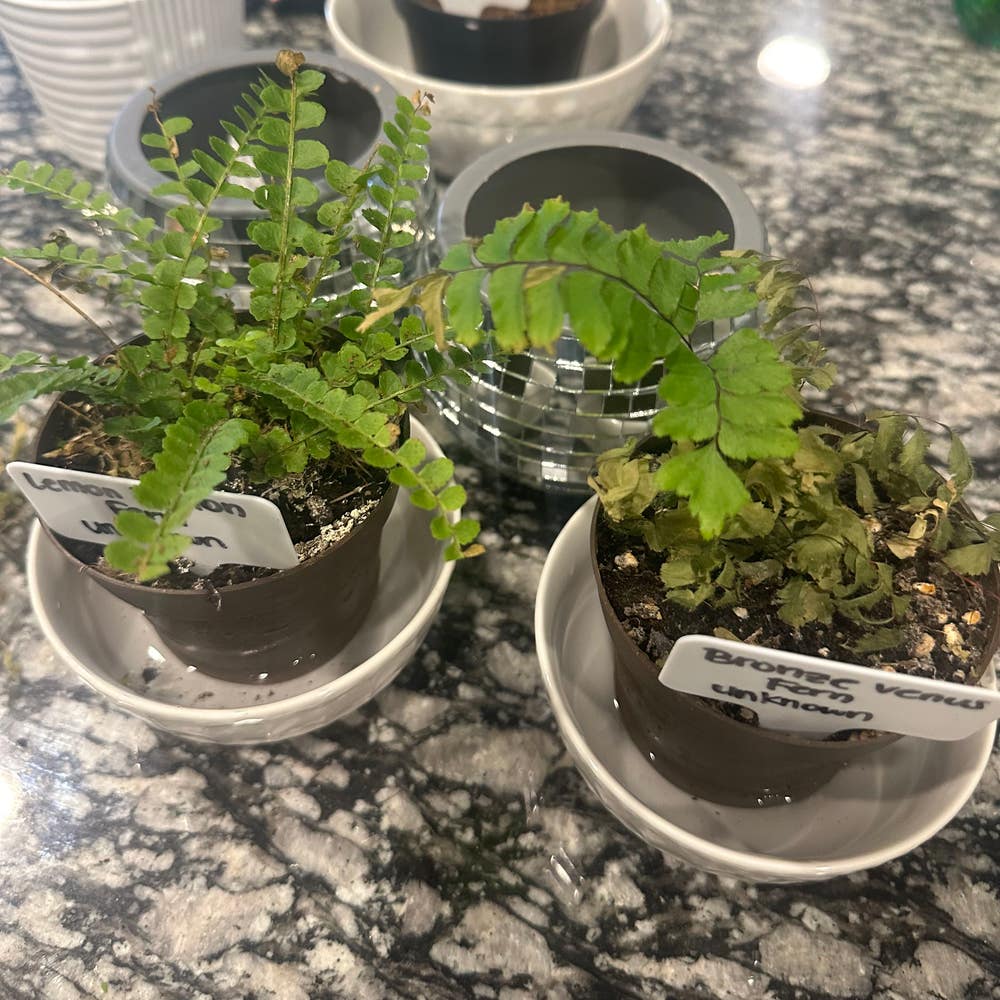
🍋 How Big Your Lemon Button Fern Can Get
Nephrolepis Cordifolia 'Duffii'
By the Greg Editorial Team
Nov 08, 2024•5 min read
This article was created with the help of AI so we can cover more plants for you. May contain errors. See one? Report it here.
- 🌱 Lemon Button Ferns grow 12-18 inches tall and spread 12-24 inches wide.
- 💡 Optimal light and humidity are crucial for healthy growth and size.
- ✂️ Regular pruning helps maintain size and encourages robust growth.
Mature Height and Spread
Typical Dimensions 🌱
The Lemon Button Fern typically reaches a mature height of 12 to 18 inches. Its spread can vary from 12 to 24 inches, making it a compact yet lush addition to any indoor or outdoor space.
Growth Rate and Time to Reach Full Size ⏳
This fern exhibits a moderate growth rate, which can be influenced by various environmental factors. Under optimal conditions, you can expect it to reach its full size in about 1 to 2 years.
Several factors can either accelerate or slow its growth. For instance, adequate light, humidity, and proper soil conditions can promote faster growth, while neglecting these aspects may hinder its development.
Understanding these dimensions and growth patterns will help you nurture your Lemon Button Fern effectively. Next, let’s explore how different growing conditions can impact its size.
Size Variability Based on Growing Conditions
🌞 Impact of Light Conditions on Growth
Lemon Button Ferns thrive best in bright, indirect light. This optimal lighting encourages lush growth and vibrant foliage.
In contrast, low light conditions can stunt their growth, leading to smaller plants with less vigor. If your fern isn't getting enough light, you might notice it struggling to reach its full potential.
💧 Influence of Humidity on Size
Humidity plays a crucial role in the health of your Lemon Button Fern. Ideally, these ferns flourish in humidity levels between 50% and 70%.
When humidity drops, you may see leaf curling and a noticeable reduction in size. Keeping your fern in a humid environment is key to maintaining its lush appearance.
🌱 Soil Type and Its Effect on Growth Rate
The right soil type is essential for optimal growth. Lemon Button Ferns prefer well-draining soil rich in organic matter, which helps retain moisture without becoming waterlogged.
Poor soil drainage can lead to slower growth and even root rot, jeopardizing your plant's health. Choosing the right soil mix is a simple yet effective way to support your fern's growth journey.
Understanding these factors can help you create the perfect environment for your Lemon Button Fern. With the right light, humidity, and soil, you can enjoy a thriving, beautiful plant that enhances your space.
Varieties and Their Characteristics
🌱 Dwarf Varieties
Dwarf varieties of the Lemon Button Fern are a delightful choice for those seeking compact greenery. Typically, these ferns are smaller than their standard counterparts, reaching a mature height of generally under 12 inches.
To thrive, dwarf varieties prefer bright, indirect light and consistent humidity levels. They flourish in well-draining soil rich in organic matter, making them ideal for smaller spaces or indoor settings.
🌳 Giant Varieties
On the other end of the spectrum, giant varieties of Lemon Button Ferns boast larger fronds and a more impressive overall size. These ferns can exceed 24 inches in height and spread, making them a striking addition to any garden or indoor space.
When considering giant varieties, think about their growing environment. They often require more space and may need specific care adjustments when grown indoors versus outdoors to ensure they reach their full potential.
Understanding these varieties helps you choose the right Lemon Button Fern for your space, whether you prefer the compact charm of dwarf types or the bold presence of giants.
Controlling Size
Pruning Techniques ✂️
To keep your Lemon Button Fern at the size you desire, regular pruning is essential. Trimming the fronds not only maintains its shape but also encourages healthy growth.
The best time to prune is early spring, just before new growth begins. This timing allows the plant to recover quickly and flourish as the growing season kicks off.
For effective pruning, use clean, sharp pruning shears. This ensures clean cuts that minimize stress on the plant and reduce the risk of disease.
Other Methods to Control Growth 🌱
Container size plays a significant role in controlling the size of your fern. Using smaller pots can limit root growth, which in turn keeps the overall size of the plant in check.
Additionally, you can make environmental adjustments to influence growth patterns. Modifying light exposure and humidity levels can help you manage how your fern grows, allowing you to create the perfect conditions for your desired size.
By combining these techniques, you can effectively control the size of your Lemon Button Fern, ensuring it remains a beautiful addition to your space.
Next, let’s explore how different environments can affect the size of your fern.
Environmental Considerations
🌍 How Different Environments Affect Size
The size of your Lemon Button Fern can vary significantly depending on whether it’s grown indoors or outdoors. Outdoor ferns often enjoy more natural light and humidity, leading to larger, more robust growth compared to their indoor counterparts.
However, indoor ferns can still thrive if provided with the right conditions. They adapt well to various settings, making them versatile houseplants that can flourish in less-than-ideal environments.
📅 Seasonal Growth Patterns
Lemon Button Ferns exhibit distinct growth patterns throughout the year. They actively grow during spring and summer, soaking up the warmth and light, which encourages lush foliage.
As fall and winter approach, these ferns enter a period of dormancy. During this time, you might notice a reduction in size, but don’t worry—once conditions improve, they’ll bounce back and regrow beautifully.
Understanding these environmental factors can help you provide the best care for your Lemon Button Fern, ensuring it reaches its full potential.
⚠️ Safety First
This content is for general information and may contain errors, omissions, or outdated details. It is not medical, veterinary advice, or an endorsement of therapeutic claims.
Always consult a qualified healthcare professional before using any plant as food, medicine, or supplement.
Never eat any plant (or feed one to pets) without confirming its identity with at least two trusted sources.
If you suspect poisoning, call Poison Control (800) 222-1222, the Pet Poison Helpline (800) 213-6680, or your local emergency service immediately.
Spotted an error? Please report it here.
Nurture your Lemon Button Fern to its fullest potential 🌿 with Greg's tailored care tips and reminders that ensure the perfect balance of light, humidity, and soil for thriving growth!