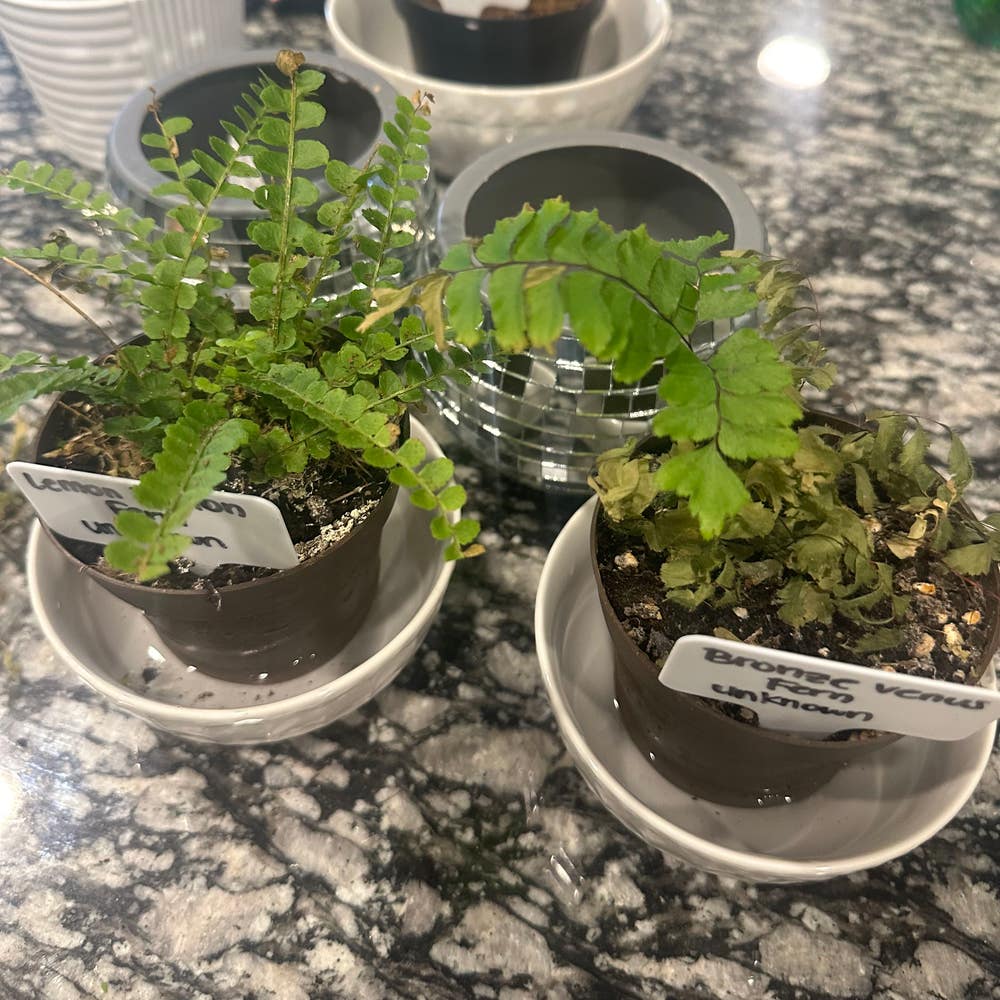
🍋 Best Tips for Healthy Lemon Button Fern Roots
Nephrolepis Cordifolia 'Duffii'
By the Greg Editorial Team
Nov 08, 2024•6 min read
This article was created with the help of AI so we can cover more plants for you. May contain errors. See one? Report it here.
- 🌱 Lemon Button Fern roots grow horizontally, ensuring stability and nutrient access.
- 💧 Consistent moisture is key; avoid overwatering to prevent yellow leaves and root rot.
- 🌿 Healthy roots enable successful propagation; monitor and care for them regularly.
Root System Characteristics
Type and Specific Characteristics 🌱
The Lemon Button Fern features rhizomatous roots, which are fascinating structures that allow the plant to spread and thrive. These roots grow horizontally just below the soil surface, creating a network that supports the fern's growth and stability.
These roots are relatively shallow, typically extending only within the top 6-12 inches of soil. However, they can spread widely, often reaching up to 2-3 feet in diameter. This wide reach helps the fern access nutrients and moisture while also making it sensitive to overwatering and soil compaction.
Understanding the nature of these rhizomatous roots is crucial for maintaining a healthy Lemon Button Fern. Proper care ensures that the roots can function effectively, promoting a vibrant and resilient plant.
With this foundation in mind, let’s explore the root depth, spread, and growth patterns of the Lemon Button Fern.
Root Depth, Spread, and Growth Patterns
🌱 Root Depth and Spread
The Lemon Button Fern boasts a relatively shallow root system, typically residing within the top 6-12 inches of soil. However, its roots can spread widely, often reaching an impressive 2-3 feet in diameter, allowing the plant to thrive in various conditions.
🌿 Growth Patterns
This fern exhibits unique growth habits, primarily spreading through rhizomes. This characteristic enables clumping and expansion, making it a delightful addition to any garden or indoor space.
During warmer months, the Lemon Button Fern experiences active growth, showcasing its vibrant foliage. As temperatures drop, it enters a period of dormancy, conserving energy until the next growing season. Understanding these growth patterns is essential for providing the right care and ensuring a flourishing plant.
With a solid grasp of root depth, spread, and growth patterns, you're well on your way to nurturing a healthy Lemon Button Fern. Next, let’s explore the critical aspects of watering, fertilizing, and transplanting to keep your fern thriving.
Watering, Fertilizing, and Transplanting
💧 Watering Needs
Maintaining consistent moisture is crucial for the health of your Lemon Button Fern. However, be cautious of overwatering, as it can lead to yellowing leaves and mushy roots.
🌱 Fertilization Techniques
For optimal growth, use a balanced NPK fertilizer during the growing season. Feed your fern monthly while it’s actively growing, and reduce fertilization during its dormancy.
🌍 Soil Requirements
Ensure the soil is well-draining and rich in organic matter to promote healthy root development. This combination helps prevent waterlogging and supports robust growth.
🌿 Transplanting Best Practices
Transplanting is best done in spring or early summer when the plant is actively growing. Follow these steps for a successful transplant:
- Prepare a new pot with fresh, well-draining soil.
- Gently remove the fern from its current pot, taking care not to damage the roots.
- Place the fern in the new pot, ensuring the roots are spread out and covered with soil.
- Water thoroughly after transplanting to help settle the soil.
By following these watering, fertilizing, and transplanting guidelines, you can ensure your Lemon Button Fern thrives in its environment. Next, we’ll explore common root-related issues and how to address them effectively.
Common Root-Related Issues
🕵️♂️ Identifying and Solving Root Problems
Root rot can be a sneaky issue for Lemon Button Ferns. Keep an eye out for wilting, yellowing leaves, and a foul odor emanating from the soil—these are telltale signs that your plant might be suffering.
The primary culprits behind root rot include overwatering, poor drainage, and compacted soil. If you suspect root rot, act quickly: remove any affected roots, repot your fern in fresh soil, and adjust your watering habits to prevent recurrence.
🛡️ Preventative Measures
To keep your fern's roots healthy, adopt some best practices. Regularly check the soil moisture to ensure it’s not too wet or too dry.
Using well-draining soil is crucial, as it allows excess water to escape and prevents root suffocation. Additionally, avoid overcrowding your plants to give their roots room to breathe and thrive.
By staying proactive, you can help your Lemon Button Fern flourish and avoid common root-related pitfalls.
Recognizing and Addressing Rootbound Conditions
📏 Definition and Visual Cues
Rootbound is a condition where a plant's roots grow in circles around the pot, which can severely restrict its growth. If you notice roots visible through the drainage holes, stunted growth, or yellowing leaves, your Lemon Button Fern may be rootbound.
🛠️ Steps to Take When Rootbound
If you suspect your fern is rootbound, follow these steps to help it thrive again:
- Remove the plant from its pot. Gently pull it out, being careful not to damage the roots.
- Gently loosen and trim any circling roots. This helps encourage new growth and prevents further constriction.
- Repot in a larger container with fresh soil. Choose a pot that allows for more root expansion and use well-draining soil to promote healthy growth.
By addressing rootbound conditions promptly, you can rejuvenate your Lemon Button Fern and ensure it continues to flourish. This proactive care not only enhances the plant's health but also enriches your gardening experience.
Propagation and Division
🌱 Importance of Root Health
Healthy roots are crucial for successful propagation and division of the Lemon Button Fern. Strong roots not only support the plant during the division process but also enhance its resilience and growth after being replanted.
✂️ Techniques for Dividing
Dividing your fern can rejuvenate it and promote healthier growth. Follow these steps for effective division:
- Remove the fern from its pot. Gently take it out to avoid damaging the roots.
- Identify natural divisions in the root system. Look for sections that can be separated easily.
- Use a clean, sharp tool to separate sections. This minimizes the risk of infection.
- Replant divisions in suitable pots with fresh soil. Ensure each section has enough space to grow.
🌿 Post-Propagation Care
After dividing, your fern needs special attention. Keep the soil consistently moist but not soggy, and avoid direct sunlight initially to reduce stress on the new divisions. Monitor them closely for any signs of distress, ensuring they adapt well to their new environment.
By understanding the importance of root health and following these techniques, you can successfully propagate your Lemon Button Fern, leading to a thriving plant collection. Next, we will explore common root-related issues and how to address them effectively.
⚠️ Safety First
This content is for general information and may contain errors, omissions, or outdated details. It is not medical, veterinary advice, or an endorsement of therapeutic claims.
Always consult a qualified healthcare professional before using any plant as food, medicine, or supplement.
Never eat any plant (or feed one to pets) without confirming its identity with at least two trusted sources.
If you suspect poisoning, call Poison Control (800) 222-1222, the Pet Poison Helpline (800) 213-6680, or your local emergency service immediately.
Spotted an error? Please report it here.
Nurture your Lemon Button Fern's roots for vibrant growth 🌱 by using Greg's tailored watering alerts and expert care tips to keep those roots thriving!