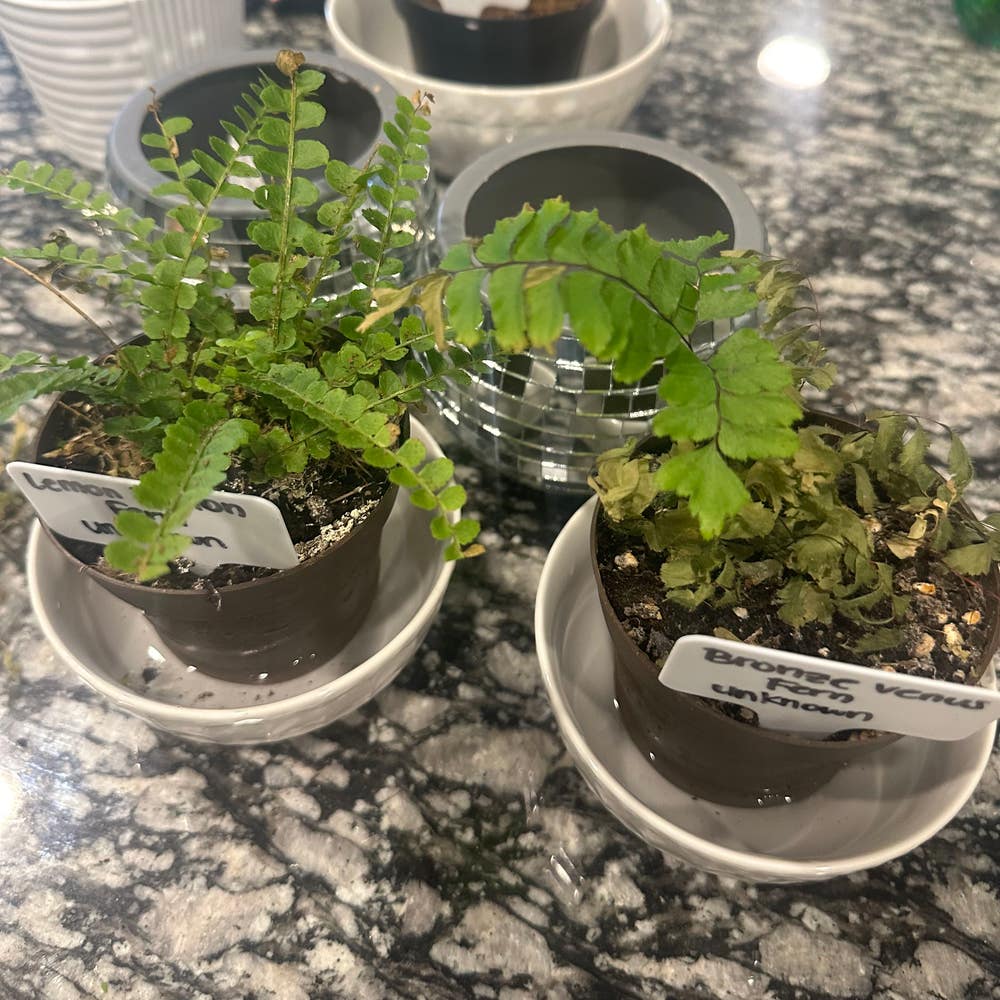
❄️ 3 Winter Threats to Your Lemon Button Fern
Nephrolepis Cordifolia 'Duffii'
By the Greg Editorial Team
Nov 08, 2024•5 min read
This article was created with the help of AI so we can cover more plants for you. May contain errors. See one? Report it here.
- 💧 Water Lemon Button Ferns every 2-3 weeks in winter to prevent root rot.
- 🌬️ Maintain humidity levels between 50-70% for optimal fern health during winter.
- ❄️ Protect from frost by covering outdoor ferns and avoiding cold drafts indoors.
Winter Care Requirements
Adjusting watering schedules during winter 🌧️
During winter, it's essential to adjust your watering routine for your Lemon Button Fern. Reduce watering frequency to every 2-3 weeks, checking the soil moisture before each watering to prevent root rot.
Watch for signs of overwatering, such as yellowing leaves and mushy roots. These indicators can help you maintain a healthy plant throughout the colder months.
Fertilizing needs in winter months ❄️
Fertilizing is generally not recommended during the fern's dormant winter phase. Hold off on feeding until early spring when growth resumes.
When it's time to fertilize, use a diluted, balanced fertilizer to support your fern's recovery. This gentle approach ensures your plant gets the nutrients it needs without overwhelming it.
Importance of humidity and temperature control 🌡️
Maintaining the right humidity and temperature is crucial for your Lemon Button Fern's health. Aim for humidity levels between 50-70% to keep your plant thriving.
To achieve this, consider using humidifiers or pebble trays filled with water. Grouping your plants together can also create a beneficial microclimate, enhancing humidity levels.
Temperature is equally important; keep your fern in an optimal range of 60°F to 75°F (15°C to 24°C). Be mindful to avoid drafts and sudden temperature changes that could stress your plant.
With these winter care requirements in mind, your Lemon Button Fern will be well-prepared to weather the cold months. Next, let’s explore how to protect your fern from frost damage.
Protection from Frost
Identifying Frost Threats to Lemon Button Fern ❄️
Frost can be a sneaky adversary for your Lemon Button Fern. Look out for signs of frost damage, such as browning or wilting leaf tips, and leaf drop or discoloration.
Understanding local frost dates is crucial. Research the average frost dates in your area to anticipate when your fern might need extra protection.
Methods for Outdoor Frost Protection 🧣
When it comes to outdoor frost protection, covering your plants is key. Use frost cloths or blankets to insulate them, or create a temporary greenhouse effect with plastic sheeting.
Another effective method is mulching. Apply a layer of mulch around the base of your fern to help retain soil warmth during those chilly nights.
Indoor Protection Strategies 🏠
For indoor ferns, placement is everything. Keep your Lemon Button Fern away from windows that may experience frost, as this can lead to cold drafts.
Additionally, consider using grow lights to supplement natural light during the shorter days of winter. This helps your fern thrive even when sunlight is scarce.
Monitoring Indoor Conditions 📏
Regularly check humidity and temperature levels in your home. Maintaining the right conditions can make all the difference in keeping your fern healthy and vibrant throughout the winter months.
By taking these protective measures, you can ensure your Lemon Button Fern not only survives the winter but also emerges ready to flourish in the spring. Next, let’s explore how to recover from any potential winter damage your fern may have sustained.
Recovery from Winter Damage
🌿 Signs of winter damage in Lemon Button Fern
Winter can be tough on your Lemon Button Fern. Look for visual indicators like brown, crispy leaf edges or entire fronds, which signal distress.
Stunted growth or wilting, even with proper care, are also signs that your fern may need some extra attention.
✂️ Steps for assessing and treating damaged ferns
To start the recovery process, inspect the plant closely. Look for affected areas and assess its overall health.
Next, prune any damaged fronds using clean, sharp scissors. This helps the plant focus its energy on healthy growth.
Finally, adjust your care routine by increasing humidity and monitoring watering closely. This will create a more favorable environment for recovery.
🌸 Preparing for spring growth after winter
As winter fades, it's crucial to prepare your fern for spring growth. Gradual acclimatization is key; slowly introduce your fern to increased light and temperature.
Additionally, start a fertilization plan with a diluted fertilizer to support new growth. This gentle boost will help your fern thrive as it emerges from dormancy.
With these steps, your Lemon Button Fern will be well on its way to a vibrant spring!
Spring Preparation
Transitioning Care from Winter to Spring 🌱
As winter fades, it's time to adjust your watering routine for your Lemon Button Fern. Gradually increase watering frequency to a weekly schedule as temperatures rise, ensuring your plant receives the moisture it craves.
Keep an eye out for new fronds emerging. This is a sign that your fern is waking up from dormancy, so be ready to adjust your care accordingly.
Reassessing Light and Humidity Needs ☀️
With longer days ahead, it's essential to reassess your fern's light exposure. Move your plant to brighter locations to take advantage of the increased sunlight.
Maintaining humidity is still crucial. Continue using humidifiers or pebble trays to ensure your fern thrives in the warmer months.
Fertilization and Watering Adjustments for Spring Recovery 🌼
Now is the time to kickstart your fertilization schedule. Begin monthly feeding with a balanced fertilizer to support your fern's recovery and growth.
As the plant responds to the changing environment, increase watering frequency based on its needs. Monitor how your fern reacts and adjust accordingly to keep it healthy and vibrant.
With these preparations, your Lemon Button Fern will be set for a flourishing spring!
⚠️ Safety First
This content is for general information and may contain errors, omissions, or outdated details. It is not medical, veterinary advice, or an endorsement of therapeutic claims.
Always consult a qualified healthcare professional before using any plant as food, medicine, or supplement.
Never eat any plant (or feed one to pets) without confirming its identity with at least two trusted sources.
If you suspect poisoning, call Poison Control (800) 222-1222, the Pet Poison Helpline (800) 213-6680, or your local emergency service immediately.
Spotted an error? Please report it here.
Keep your Lemon Button Fern thriving this winter ❄️ by using Greg's tailored reminders for watering and humidity, ensuring it’s ready to flourish come spring!