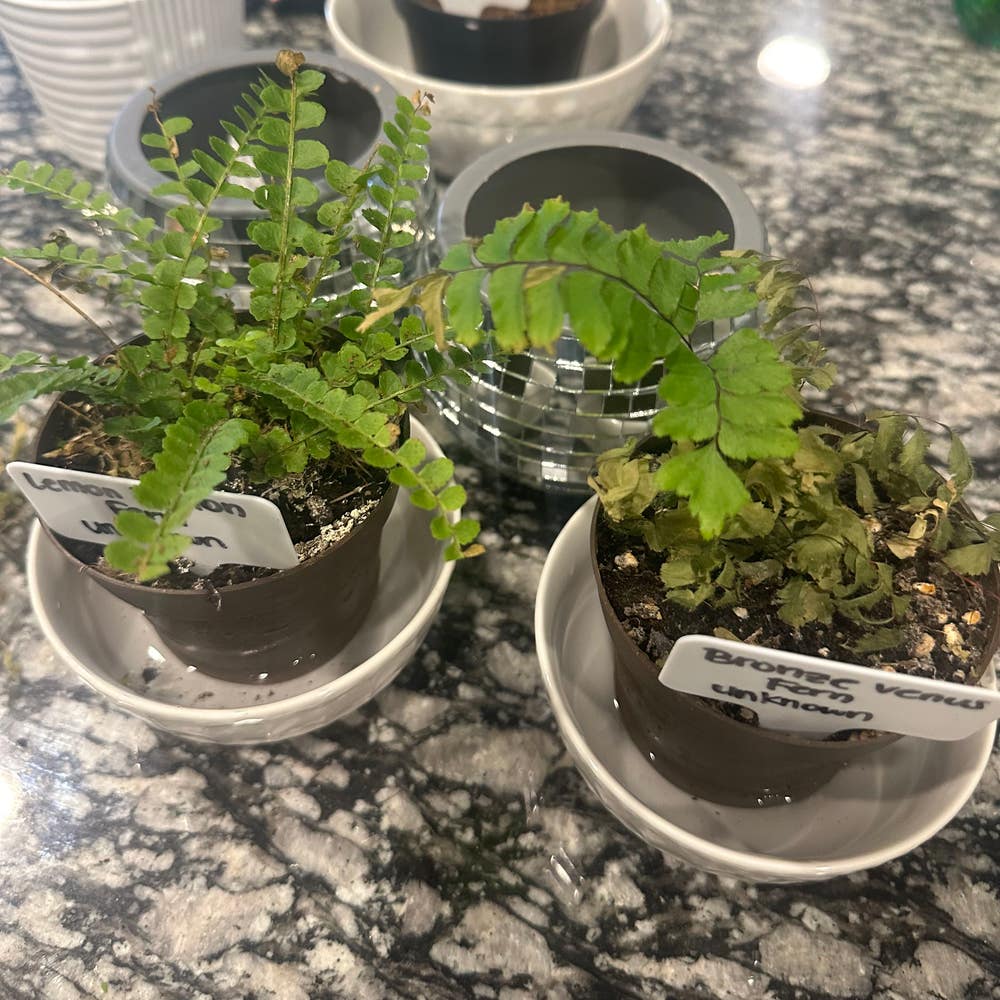
🍋 Why Lemon Button Fern Is A Perennial Plant
Nephrolepis Cordifolia 'Duffii'
By the Greg Editorial Team
Nov 08, 2024•5 min read
This article was created with the help of AI so we can cover more plants for you. May contain errors. See one? Report it here.
- 🌱 Lemon Button Ferns are perennials, thriving for 3-5 years or longer.
- 🌞 They adapt to various light conditions, from partial shade to indirect light.
- 💧 Healthy roots and consistent care ensure vibrant growth and longevity.
Characteristics that Classify Lemon Button Fern as a Perennial
Multi-Year Lifecycle 🌱
Lemon Button Ferns are remarkable for their longevity, typically living for 3-5 years or even longer under the right conditions. Each season, they regrow from their established root systems, showcasing their resilience and ability to thrive year after year.
Growth Patterns 🌿
These ferns exhibit a compact growth habit, making them ideal for various environments, from small pots to garden beds. They can flourish in a range of light conditions, from partial shade to indirect light, which adds to their versatility in different settings.
The mechanism of regrowth relies heavily on the health of their root systems. Strong roots not only support the plant's growth but also contribute to its overall vigor, ensuring that the Lemon Button Fern remains a vibrant part of your garden for years to come.
In summary, the combination of a multi-year lifecycle and adaptable growth patterns solidifies the Lemon Button Fern's status as a perennial plant. This makes it a fantastic choice for gardeners looking to create a sustainable and beautiful landscape.
Next, we will explore the seasonal changes and dormancy patterns of the Lemon Button Fern, shedding light on its unique growth cycle throughout the year.
Seasonal Changes and Dormancy
Dormancy Periods 🌙
Lemon Button Ferns experience a typical dormancy period from late fall to early spring. During this time, the plant conserves energy, allowing it to survive the colder months.
Energy Conservation Strategies ⚡️
To manage energy effectively, the fern reduces its metabolic activities. This strategy ensures that the plant can thrive once the warmer weather returns.
Seasonal Growth Patterns 🌱
As spring arrives, Lemon Button Ferns spring back to life, showcasing active growth. They flourish during the summer months, soaking up sunlight and nutrients.
Preparation for Dormancy 🍂
In the fall, these ferns begin to prepare for dormancy. Growth slows down significantly, and the plant conserves resources in anticipation of the winter chill.
Minimal Growth Activity in Winter ❄️
During winter, Lemon Button Ferns exhibit minimal growth activity. This period of rest is crucial for their overall health and longevity, setting the stage for vibrant growth in the coming spring.
Understanding these seasonal changes helps gardeners appreciate the resilience of Lemon Button Ferns. By recognizing their dormancy and growth patterns, you can better care for these beautiful perennials and ensure they thrive year after year.
Next, let's explore the advantages of their perennial nature and how it benefits your garden.
Advantages of Perennial Nature
🌱 Benefits of Reduced Replanting
One of the standout advantages of the Lemon Button Fern being a perennial is the significant reduction in replanting. This not only saves gardeners money but also precious time that can be better spent enjoying the garden.
Additionally, having established plants contributes to a stable garden design. The consistent presence of these ferns adds a sense of continuity and aesthetic appeal, making your garden a more inviting space.
🌳 Importance of Established Root Systems
Established root systems are crucial for the health of Lemon Button Ferns. These roots enhance drought resistance, allowing the plant to thrive even during dry spells.
Moreover, a robust root system improves nutrient uptake, ensuring the fern gets the essential elements it needs to flourish. Over time, these roots also contribute to better soil structure and health, creating a thriving ecosystem in your garden.
Incorporating these perennials into your landscape not only simplifies maintenance but also enriches the environment. As we explore the lifespan and longevity factors of the Lemon Button Fern, you'll see how these elements work together for a vibrant garden.
Lifespan and Longevity Factors
🌱 Expected Lifespan
The Lemon Button Fern typically enjoys a lifespan of 3 to 5 years. Under optimal conditions, it can thrive even longer, making it a reliable choice for gardeners.
⏳ Factors Influencing Longevity
Several key factors can impact the longevity of your Lemon Button Fern.
🌿 Soil Quality and Drainage
Healthy soil is crucial. Well-draining soil prevents root rot and promotes robust growth.
☀️ Light Exposure and Temperature Variations
These ferns prefer indirect light but can adapt to various conditions. However, extreme temperatures can stress the plant, affecting its lifespan.
💧 Watering Practices and Humidity Levels
Consistent watering is essential, but overwatering can be detrimental. Maintaining appropriate humidity levels also supports the fern's health and longevity.
By understanding these factors, you can create an environment that maximizes the lifespan of your Lemon Button Fern. This knowledge not only enhances your gardening experience but also ensures your plants flourish year after year.
Next, we’ll explore how climate zone variations can further influence the growth and care of this resilient perennial.
Climate Zone Variations
🌍 Variations in Behavior Across Climate Zones
Lemon Button Ferns are remarkably adaptable, thriving in USDA hardiness zones 9-11. This adaptability allows them to flourish in various climates, but their growth patterns can differ significantly based on local conditions.
In warmer climates, these ferns may exhibit more vigorous growth, while in cooler areas, they might slow down during the winter months. Understanding these variations is crucial for optimizing their care and ensuring a healthy plant.
🌱 Tips for Maximizing Benefits in Garden Planning
Selecting the right planting location is essential for Lemon Button Ferns. Aim for spots that provide adequate light and moisture, as these factors greatly influence their growth and overall health.
Companion planting with other perennials can also enhance your garden's ecosystem. Pairing Lemon Button Ferns with compatible plants can improve soil health and create a more vibrant garden.
Lastly, consider using the Greg plant care app. This handy tool can send you reminders for seasonal care tasks, helping you keep your Lemon Button Ferns thriving throughout the year.
With these strategies, you can maximize the benefits of your Lemon Button Ferns and enjoy their beauty for years to come.
⚠️ Safety First
This content is for general information and may contain errors, omissions, or outdated details. It is not medical, veterinary advice, or an endorsement of therapeutic claims.
Always consult a qualified healthcare professional before using any plant as food, medicine, or supplement.
Never eat any plant (or feed one to pets) without confirming its identity with at least two trusted sources.
If you suspect poisoning, call Poison Control (800) 222-1222, the Pet Poison Helpline (800) 213-6680, or your local emergency service immediately.
Spotted an error? Please report it here.
Lemon Button Ferns are low-maintenance champions 🌿 that thrive for years, and with Greg's tailored care reminders, you can effortlessly support their growth through every season!