🐞 What's Eating Your Mediterranean Strawflower
Helichrysum stoechas
By the Greg Editorial Team
Sep 30, 2024•7 min read
This article was created with the help of AI so we can cover more plants for you. May contain errors. See one? Report it here.
Safeguard your stunning Mediterranean strawflowers 🌼 from hungry herbivores with these essential protection strategies!
- 🌼 Mediterranean strawflowers attract herbivores; young shoots are particularly appealing.
- 🦌 Deer and rabbits cause significant damage; use repellents and barriers for protection.
- 🌿 Regular monitoring and ecosystem balance help maintain healthy strawflowers amidst wildlife threats.
Description and Appeal
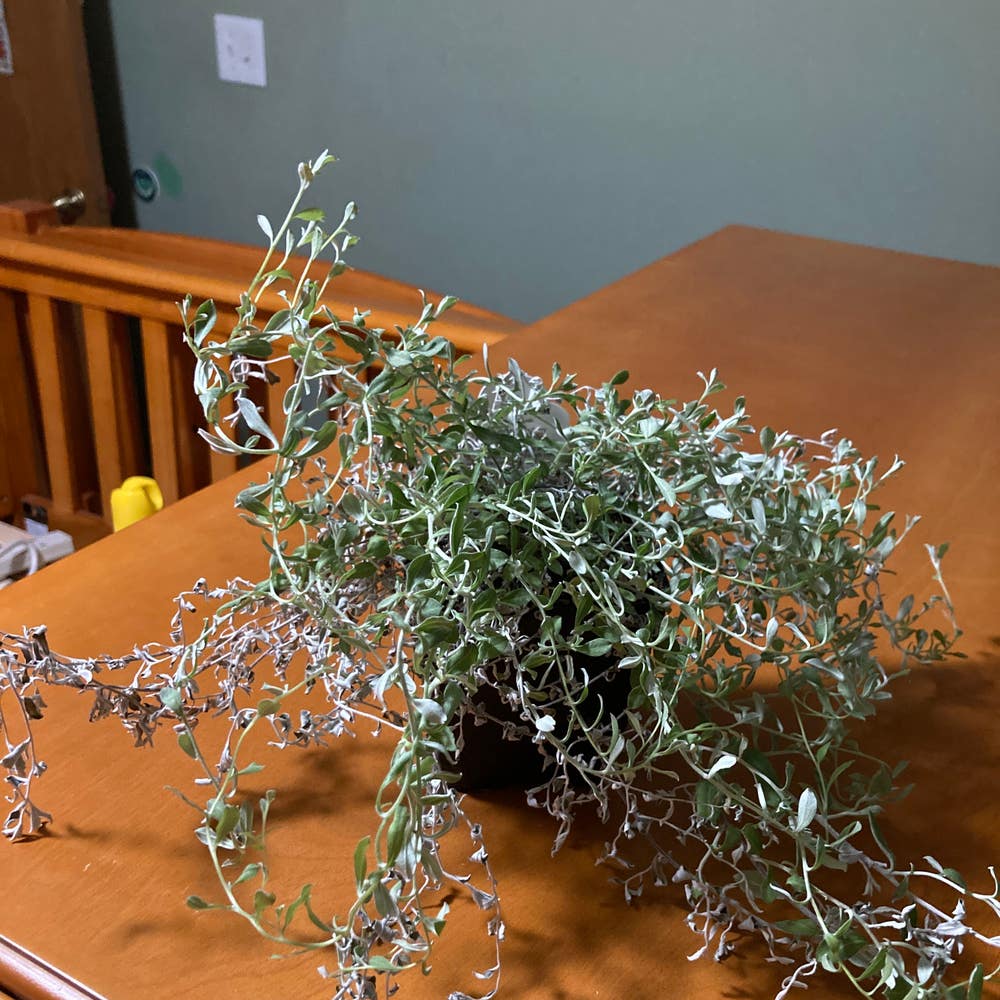
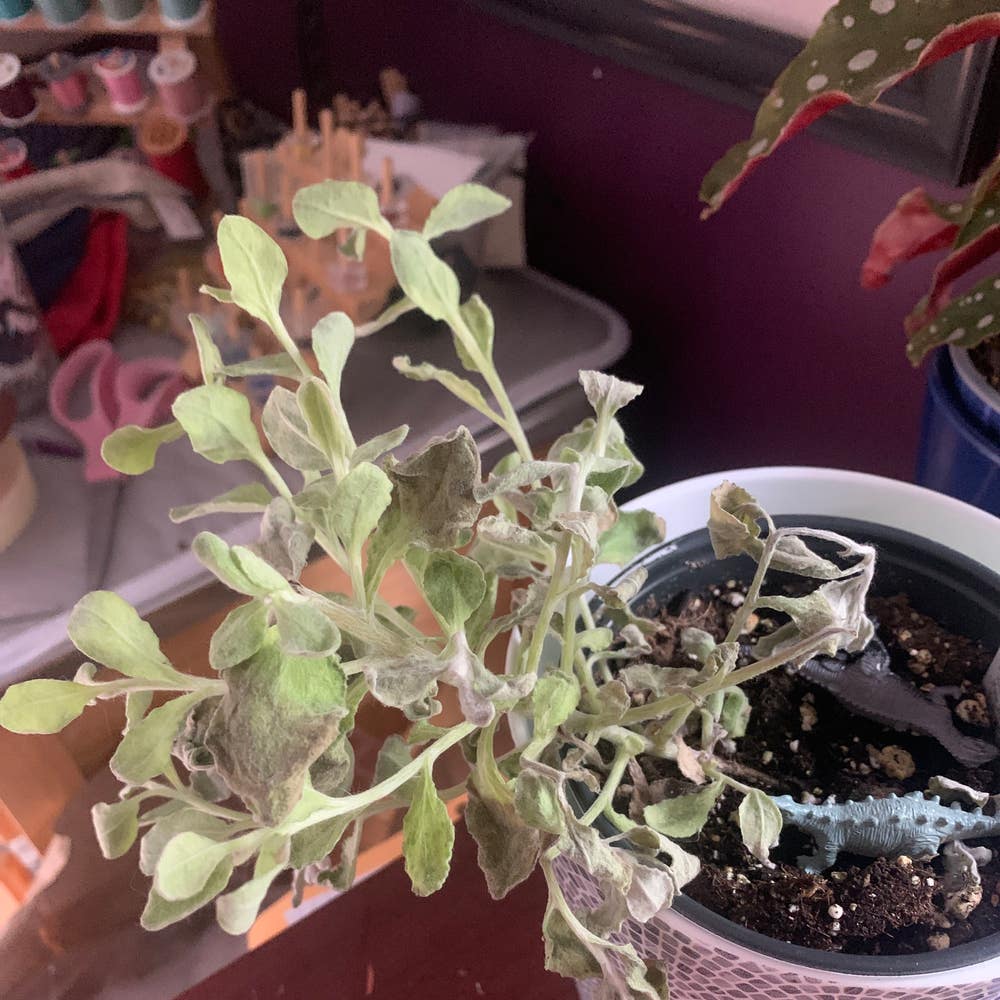
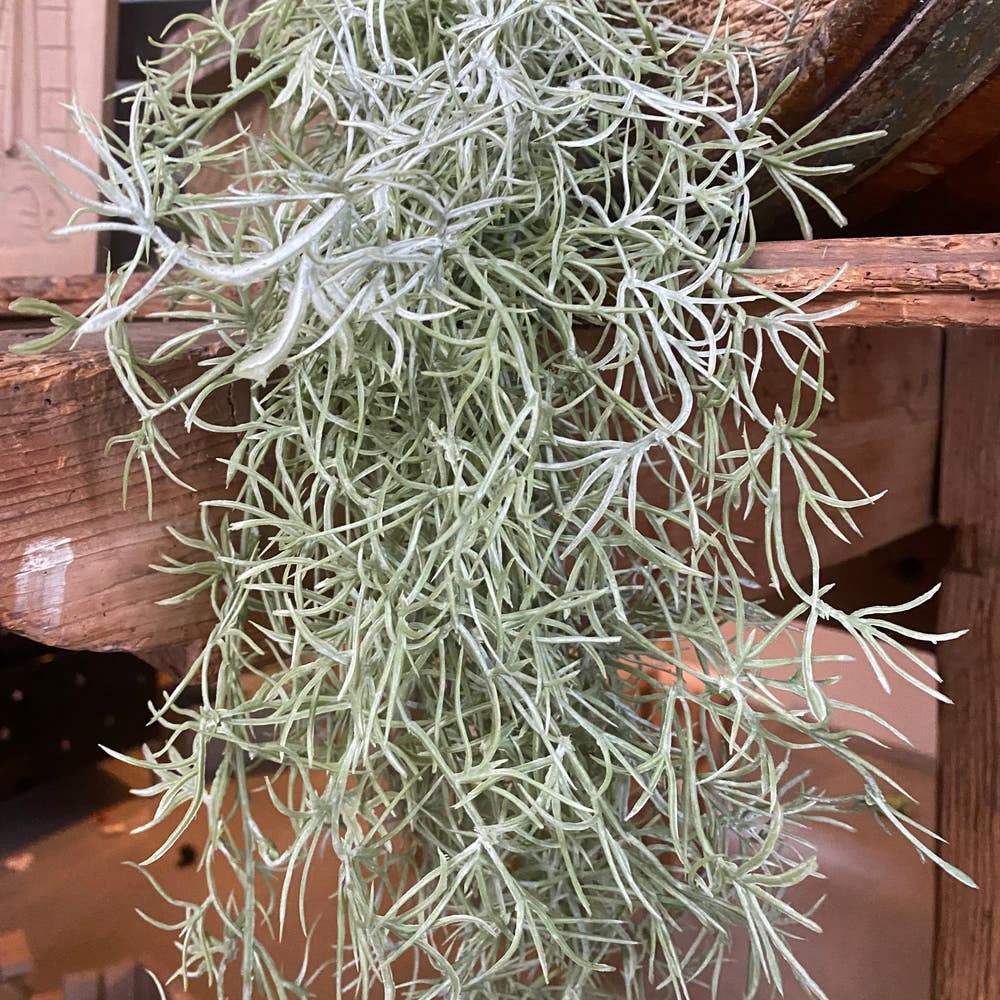
Appearance and Characteristics 🌼
Mediterranean strawflowers are a feast for the eyes, showcasing vibrant, papery blooms in shades of yellow, pink, and orange. These flowers maintain their color even when dried, making them a favorite choice for floral arrangements.
They are drought-tolerant and thrive in well-drained soils, making them ideal for low-maintenance gardens. Typically, they grow to a height of 12-24 inches, presenting a bushy appearance that adds fullness to any landscape.
Most Appealing Parts to Animals 🐾
Herbivores are particularly drawn to the young shoots of the Mediterranean strawflower. Their tender texture and high moisture content make them an irresistible snack.
The bright colors and fragrant flowers also attract various animals, making them a target for hungry herbivores. Understanding these appealing traits can help you protect your garden from potential damage.
As you consider planting these beauties, keep in mind their allure to local wildlife. This knowledge will guide you in implementing effective protection strategies, ensuring your garden flourishes.
Common Herbivores
🦌 Deer
Signs of Presence and Damage
Deer are often the first culprits when it comes to damage to your Mediterranean strawflower. Look for hoof prints in muddy areas and notice if leaves and flowers are stripped, typically at a height of 3-5 feet.
Impact on the Plant
The impact of deer can be severe. They can decimate flower populations and stunt growth, leaving your plants vulnerable and less vibrant.
Deterrent Methods
To keep deer at bay, consider these methods:
- Chemical: Use commercial deer repellents that contain putrescent egg solids.
- Organic:
- Install 8-foot tall fencing to create a barrier.
- Plant deer-resistant companion plants like lavender to deter them.
🐇 Rabbits
Signs of Presence and Damage
Rabbits leave telltale signs around your plants. Look for small, round droppings and cleanly cut stems and leaves at ground level.
Impact on the Plant
Rabbits can be particularly damaging. Their feeding habits can lead to significant plant loss, leaving your strawflowers looking sparse.
Deterrent Methods
To protect against rabbits, try these strategies:
- Chemical: Apply rabbit repellents with strong scents, such as garlic.
- Organic:
- Use chicken wire barriers around your plants.
- Consider planting rabbit-resistant varieties like marigolds.
🐿️ Squirrels
Signs of Presence and Damage
Squirrels can be sneaky pests. Look for chewed stems and flowers, often accompanied by scattered debris and nesting signs like dried leaves and twigs nearby.
Impact on the Plant
Squirrels generally cause stress to your plants. Their activities can reduce flowering and overall health.
Deterrent Methods
To deter squirrels, consider these options:
- Chemical: Use squirrel repellents that contain capsaicin.
- Organic:
- Install motion-activated sprinklers to scare them off.
- Plant squirrel-resistant plants, such as daffodils, nearby.
🐦 Birds
Signs of Presence and Damage
Birds can be both friends and foes. Look for peck marks on flowers and leaves, as well as nesting materials taken from your plants.
Impact on the Plant
The impact of birds can vary. While some help with pollination, others can cause damage that affects your flowers' health.
Deterrent Methods
To manage birds, try these methods:
- Chemical: Use bird repellents with reflective surfaces.
- Organic:
- Cover your plants with netting.
- Use scare tactics like reflective tape or wind chimes to keep them away.
🐭 Rodents
Signs of Presence and Damage
Rodents can wreak havoc on your strawflowers. Look for burrows near the base of the plant and gnawed stems and roots.
Impact on the Plant
Rodents are generally harmful. Their activities can lead to root damage and even plant death.
Deterrent Methods
To combat rodents, consider these approaches:
- Chemical: Use rodent repellents containing peppermint oil.
- Organic:
- Set traps, either snap traps or live traps.
- Modify the habitat by clearing debris and tall grass to reduce hiding spots.
🦡 Groundhogs/Woodchucks
Signs of Presence and Damage
Groundhogs can be particularly destructive. Look for large burrows and flattened areas around your plants, along with chewed stems and leaves at ground level.
Impact on the Plant
The impact of groundhogs is generally harmful. They can severely damage or even kill your plants.
Deterrent Methods
To deter groundhogs, consider these methods:
- Chemical: Use commercial groundhog repellents.
- Organic:
- Install 3-foot high barriers with buried edges.
- Plant groundhog-resistant plants like mint to keep them away.
Understanding these common herbivores and their impacts can help you protect your Mediterranean strawflower effectively. With the right strategies in place, you can enjoy a thriving garden free from unwanted nibblers.
Beneficial Animals
🌼 Role in the Ecosystem
Pollinators play a vital role in the health of your Mediterranean strawflower garden. Bees, butterflies, and other beneficial insects are essential for transferring pollen, which helps flowers reproduce.
🌸 Positive Impacts
The presence of these pollinators leads to enhanced flower production. More flowers mean a more vibrant garden, and they also attract predatory insects that help control pests naturally.
Encouraging these beneficial animals can create a balanced ecosystem in your garden. By fostering a habitat that supports pollinators, you not only beautify your space but also promote a healthier environment for your plants.
As you cultivate your garden, remember that every flower is an invitation to these helpful creatures. Their contributions are invaluable, ensuring your Mediterranean strawflower thrives amidst the challenges posed by herbivores.
With a solid understanding of beneficial animals, you're better equipped to protect your garden. Next, let’s explore effective protection strategies to keep those pesky herbivores at bay.
Protection Strategies
🛡️ Preventive Measures
Choosing the right plants is your first line of defense. Opt for resistant varieties and companion plants that naturally deter herbivores.
Physical barriers are also effective. Fencing and netting can create a protective shield around your Mediterranean strawflowers, keeping unwanted munchers at bay.
⚠️ Reactive Solutions
Monitoring your garden regularly is crucial. Look for signs of herbivore activity, such as chewed leaves or tracks, to catch issues early.
When you spot trouble, take immediate action. Use repellents or traps to address the problem before it escalates.
🌱 Balancing Ecosystem Health
Encouraging beneficial insects is key to a thriving garden. Pollinators like bees and butterflies enhance flower production while keeping harmful pests in check.
Understanding the role of each animal in your garden ecosystem helps maintain balance. By managing harmful herbivores while fostering beneficial ones, you create a healthier environment for your plants.
With these strategies in place, your Mediterranean strawflowers can flourish despite the challenges posed by hungry critters. Next, let’s explore seasonal considerations that affect animal attraction and plant vulnerability.
Seasonal Considerations
Variations in Animal Attraction 🐇
As spring arrives, the garden comes alive with activity. Rabbits and deer emerge from their winter hideouts, drawn to the tender new growth of your Mediterranean strawflower.
In summer, the vibrant blooms reach their peak, attracting not just pollinators but also herbivores. The bright colors and sweet fragrances can lure in a variety of animals looking for a tasty snack.
Timing of Vulnerability ⏰
During the early growth stages, your strawflowers are particularly vulnerable to herbivore damage. The soft, young shoots are a prime target for hungry critters.
By late summer, competition for food intensifies. This can lead to increased herbivore activity as animals search for sustenance, putting your plants at risk once again.
Understanding these seasonal patterns can help you protect your garden effectively. With the right strategies in place, you can enjoy the beauty of your strawflowers while keeping unwanted visitors at bay.
Toxicity and Safety
Toxic Effects 🌿
Mediterranean strawflowers possess mild toxicity, which can act as a natural deterrent for some herbivores. This characteristic helps protect the plant from excessive grazing, ensuring its survival in various environments.
Implications for Garden Safety ⚠️
Understanding the toxicity levels of these flowers is crucial for gardeners. While the mild toxicity may deter certain animals, it’s essential to know which species could be affected and how to manage their presence effectively in your garden.
By being informed, you can create a safe and thriving environment for both your plants and the wildlife around them. This balance is key to maintaining a healthy garden ecosystem.
As you navigate the challenges of herbivore management, remember that knowledge is your best ally. With the right strategies, you can enjoy the beauty of your Mediterranean strawflowers while keeping unwanted visitors at bay.
Next, let’s explore some effective protection strategies to safeguard your garden from herbivores.
⚠️ Safety First
This content is for general information and may contain errors, omissions, or outdated details. It is not medical, veterinary advice, or an endorsement of therapeutic claims.
Always consult a qualified healthcare professional before using any plant as food, medicine, or supplement.
Never eat any plant (or feed one to pets) without confirming its identity with at least two trusted sources.
If you suspect poisoning, call Poison Control (800) 222-1222, the Pet Poison Helpline (800) 213-6680, or your local emergency service immediately.
Spotted an error? Please report it here.
Keep your Mediterranean strawflowers blooming beautifully 🌼 by using Greg's personalized tips and reminders to fend off pesky herbivores and enjoy a thriving garden!