What It Means When Your Mediterranean Strawflower Wilts 🌼
Helichrysum stoechas
By the Greg Editorial Team
Sep 30, 2024•5 min read
This article was created with the help of AI so we can cover more plants for you. May contain errors. See one? Report it here.
Transform your wilting Mediterranean Strawflower into a thriving beauty 🌼 with essential tips for diagnosis and care!
- 💧 Wilting often results from water stress, heat, or environmental factors.
- 🌡️ Monitor temperature and humidity to prevent wilting in Mediterranean Strawflowers.
- 🌱 Adjust watering habits based on soil moisture to keep your plant healthy.
Common Causes of Wilting Leaves
💧 Water Stress
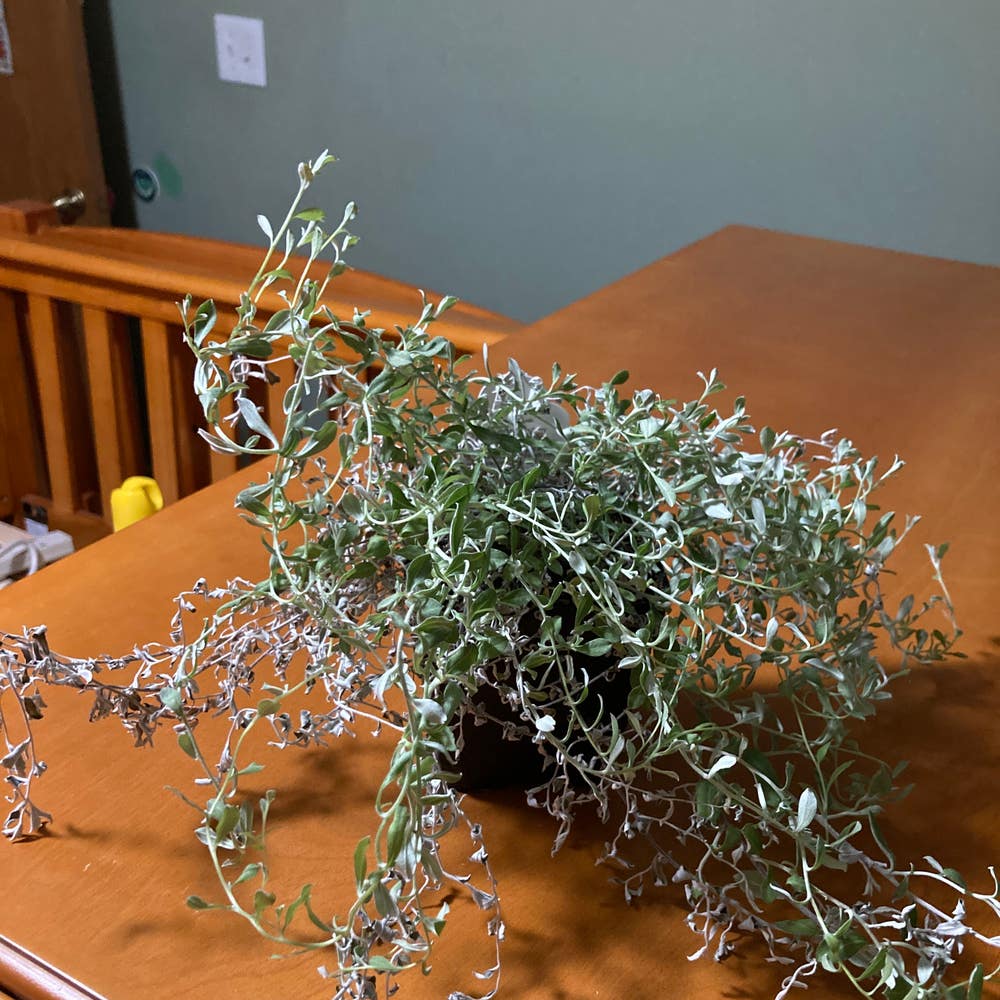
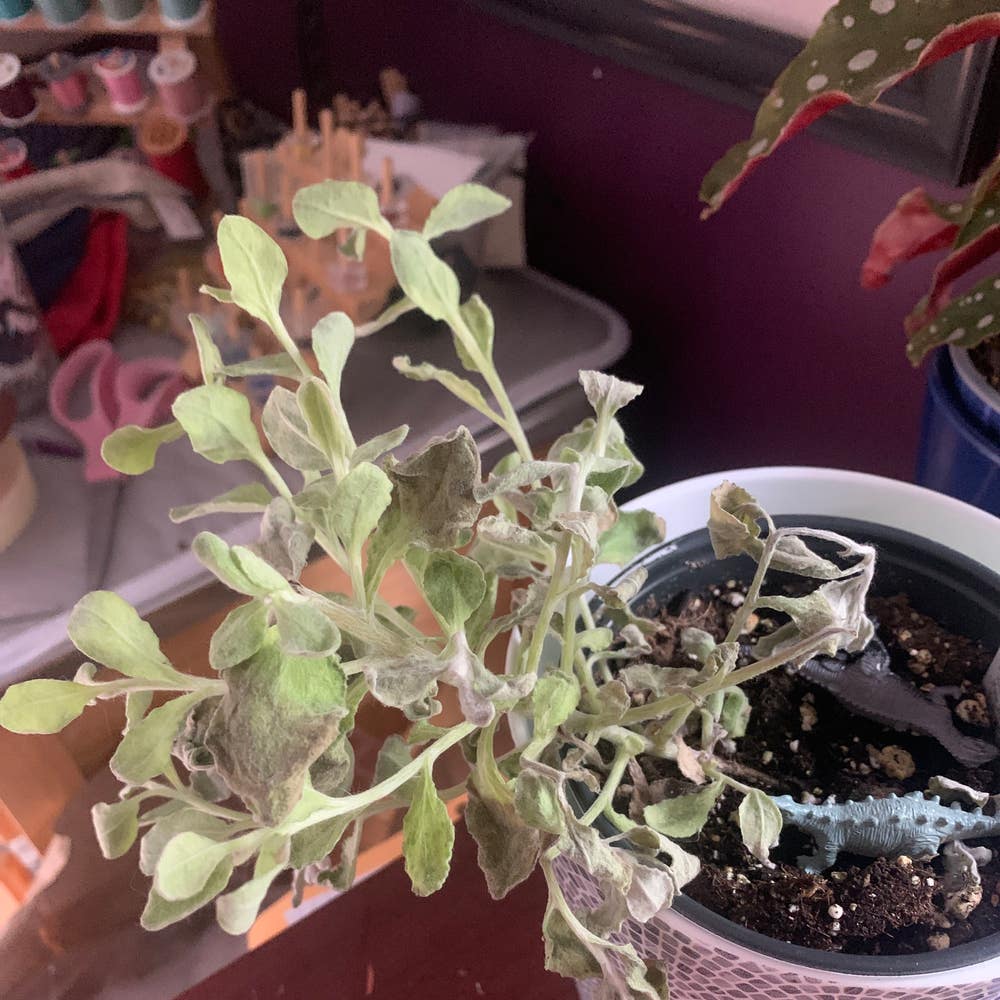
Wilting in Mediterranean Strawflowers often starts with water stress. Symptoms include drooping leaves, dry soil, and leaf curling, signaling that your plant is thirsty.
Infrequent watering or prolonged drought conditions are the main culprits. If you notice these signs, it’s time to reassess your watering routine.
☀️ Heat Stress
Heat stress is another significant factor. You might see wilting during peak sunlight hours, along with leaf scorching and browning edges.
This typically occurs when temperatures soar above 30°C (86°F). If your plant is exposed to excessive heat, it may struggle to cope.
🦠 Disease-Related Wilting
While it’s easy to jump to conclusions about disease, pathogenic wilt is quite rare in Mediterranean Strawflowers. Instead, focus on environmental factors first to identify the root cause of wilting.
Understanding these common causes can help you take the right steps to revive your plant. Next, let’s explore how to diagnose wilting effectively.
Diagnosing Wilting in Mediterranean Strawflower
Step-by-Step Guide to Diagnose Wilting 🌱
Assess Soil Moisture: Start by checking the top 2 inches of soil for dryness. A moisture meter can provide a more accurate reading.
Observe Environmental Conditions: Take note of the temperature and humidity levels. Recent weather changes, like heat waves or drought, can significantly impact your plant.
Inspect Leaves and Stems: Look for any discoloration, browning, or signs of pests. These visual cues can help pinpoint the issue.
Evaluate Watering Habits: Review how often and how much water you give your plant. This can reveal patterns that contribute to wilting.
Consider Recent Changes: Identify any recent relocations or environmental adjustments. Changes in location can stress the plant.
Identifying Symptoms Related to Water Stress 💧
Signs of Underwatering: Look for dry, crispy leaves and soil that pulls away from the pot. These indicate your plant is thirsty.
Signs of Overwatering: Yellowing leaves, mushy stems, and a foul smell from the soil suggest too much water. This can lead to root rot if not addressed.
Identifying Symptoms Related to Heat Stress ☀️
- Signs of Heat Stress: Watch for leaves wilting during the hottest part of the day. Leaf edges turning brown and stunted growth are also key indicators.
Understanding these symptoms is crucial for effective care. By diagnosing the issue early, you can take steps to revive your Mediterranean Strawflower and keep it thriving.
Next, we’ll explore actionable solutions to address these wilting issues effectively.
Solutions for Wilting Leaves
💧 Actionable Advice for Addressing Water Stress
When your Mediterranean Strawflower shows signs of underwatering, the solution is straightforward. Water thoroughly until excess drains from the bottom; this ensures the roots get the moisture they need.
To maintain a healthy watering routine, consider using the Greg plant care app for reminders. This helps you stay consistent and prevents future wilting.
For overwatering, the approach is different. Allow the soil to dry out completely before watering again. If you suspect root rot, repotting in well-draining soil can make a significant difference.
🌡️ Actionable Advice for Addressing Heat Stress
Heat stress can be a real challenge for your plant. Relocate it to a shaded area during peak heat hours to protect it from scorching sun.
Additionally, increasing humidity around the plant can help. Use a humidity tray or mist the leaves to create a more favorable environment.
🌱 Techniques for Reviving a Wilted Plant
If your plant is wilting, try the bottom watering technique. Place the pot in a shallow tray of water for 30 minutes, allowing the roots to absorb moisture effectively.
Pruning damaged leaves is another effective method. Use clean, sharp scissors to remove wilted or dead leaves, encouraging new growth and revitalizing the plant.
Lastly, consider a temporary relocation. Move the plant to a cooler, shaded area until it shows signs of recovery. This small change can make a big difference in its health.
With these actionable solutions, you'll be well-equipped to tackle wilting leaves and keep your Mediterranean Strawflower thriving. Next, let’s explore preventive measures to minimize future wilting episodes.
Preventive Measures for Wilting
Tips to Minimize Future Wilting Episodes 🌱
Establishing a regular watering routine is crucial for your Mediterranean Strawflower. Adjust your schedule based on seasonal changes to ensure your plant receives the right amount of moisture.
Regularly monitor environmental conditions, especially during extreme weather. Keeping an eye on temperature and humidity can help you anticipate and mitigate stress on your plant.
Using mulch is another effective strategy. It helps retain soil moisture and regulates temperature, providing a buffer against sudden changes.
Environmental Adjustments 🌤️
Proper drainage in pots is essential to prevent waterlogging. Ensure your pots have adequate drainage holes to allow excess water to escape.
During extreme heat, consider using shade cloth. This simple adjustment can protect your plant from harsh sunlight, reducing the risk of heat stress.
By implementing these preventive measures, you can create a healthier environment for your Mediterranean Strawflower. This proactive approach not only minimizes wilting episodes but also promotes vibrant growth and resilience.
Next, let’s explore when to seek further assistance for persistent wilting issues.
Seeking Further Assistance
🌱 When to Consult a Local Nursery or Plant Expert
If your Mediterranean Strawflower continues to wilt despite your best care efforts, it might be time to seek professional help. Local nurseries can provide valuable insights and identify potential pests or diseases that may not be immediately obvious.
💬 Engaging with the Online Plant Care Community
Don’t underestimate the power of community! Platforms like Greg offer a wealth of advice and support from fellow Mediterranean Strawflower enthusiasts. Sharing your experiences can lead to practical solutions for common wilting issues.
Connecting with others who share your passion can also provide encouragement and new ideas for plant care. Engaging with the online community fosters a sense of belonging and can enhance your gardening journey.
As you navigate the challenges of plant care, remember that help is always available, whether from experts or fellow plant lovers. This support can make all the difference in keeping your Mediterranean Strawflower thriving.
Next, let’s explore preventive measures to minimize future wilting episodes.
⚠️ Safety First
This content is for general information and may contain errors, omissions, or outdated details. It is not medical, veterinary advice, or an endorsement of therapeutic claims.
Always consult a qualified healthcare professional before using any plant as food, medicine, or supplement.
Never eat any plant (or feed one to pets) without confirming its identity with at least two trusted sources.
If you suspect poisoning, call Poison Control (800) 222-1222, the Pet Poison Helpline (800) 213-6680, or your local emergency service immediately.
Spotted an error? Please report it here.
Revive your Mediterranean Strawflower from wilting woes 🌼 with Greg's tailored watering alerts and community wisdom, ensuring your plant flourishes in any environment!