Why Are There Brown Spots on My Mediterranean Strawflower?
Helichrysum stoechas
By the Greg Editorial Team
Apr 15, 2024•4 min read
This article was created with the help of AI so we can cover more plants for you. May contain errors. See one? Report it here.
Banish brown spots and keep your Strawflower thriving with this must-know care guide! 🌞🍂
- Fungal and bacterial infections often cause brown spots on Strawflowers.
- Adjust care routines to prevent spots: proper watering, sunlight, and airflow.
- Regular monitoring and maintenance are crucial for a spot-free Strawflower.
Spotting the Trouble: Identifying Brown Spots
🕵️♂️ Visual Clues
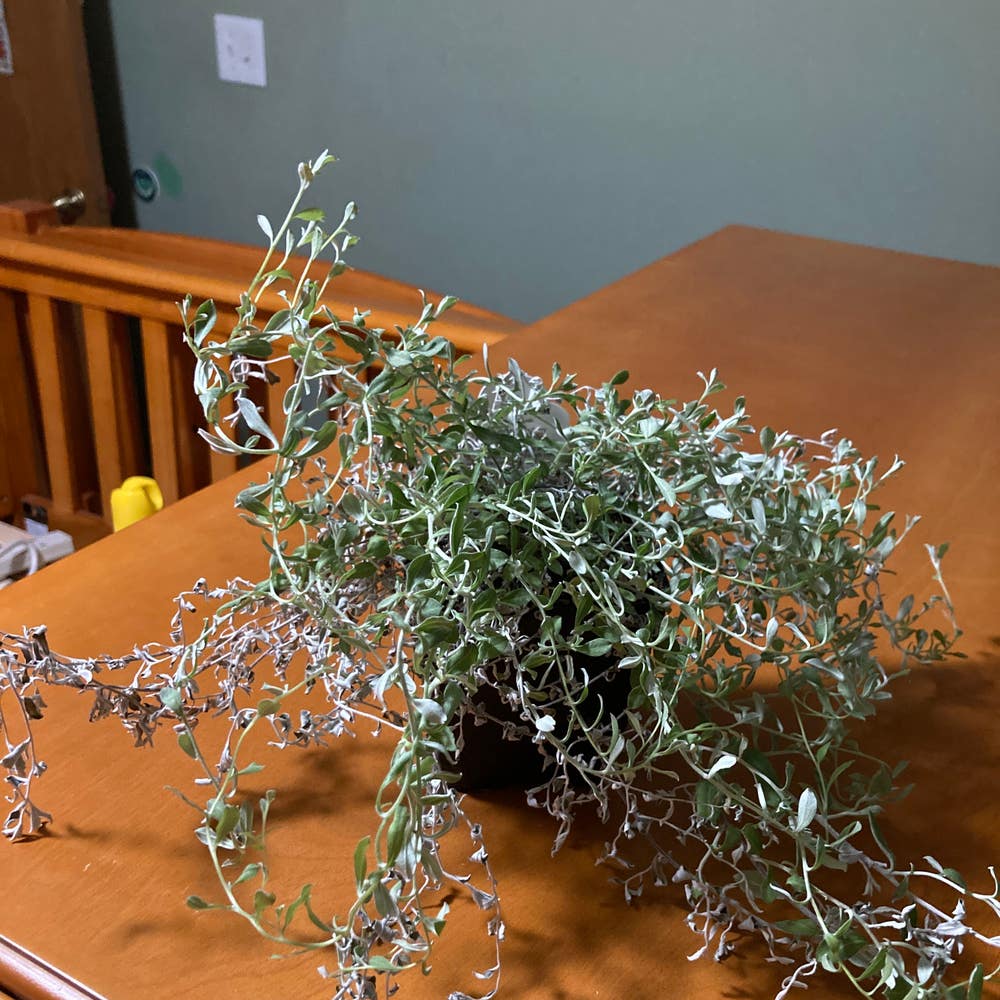
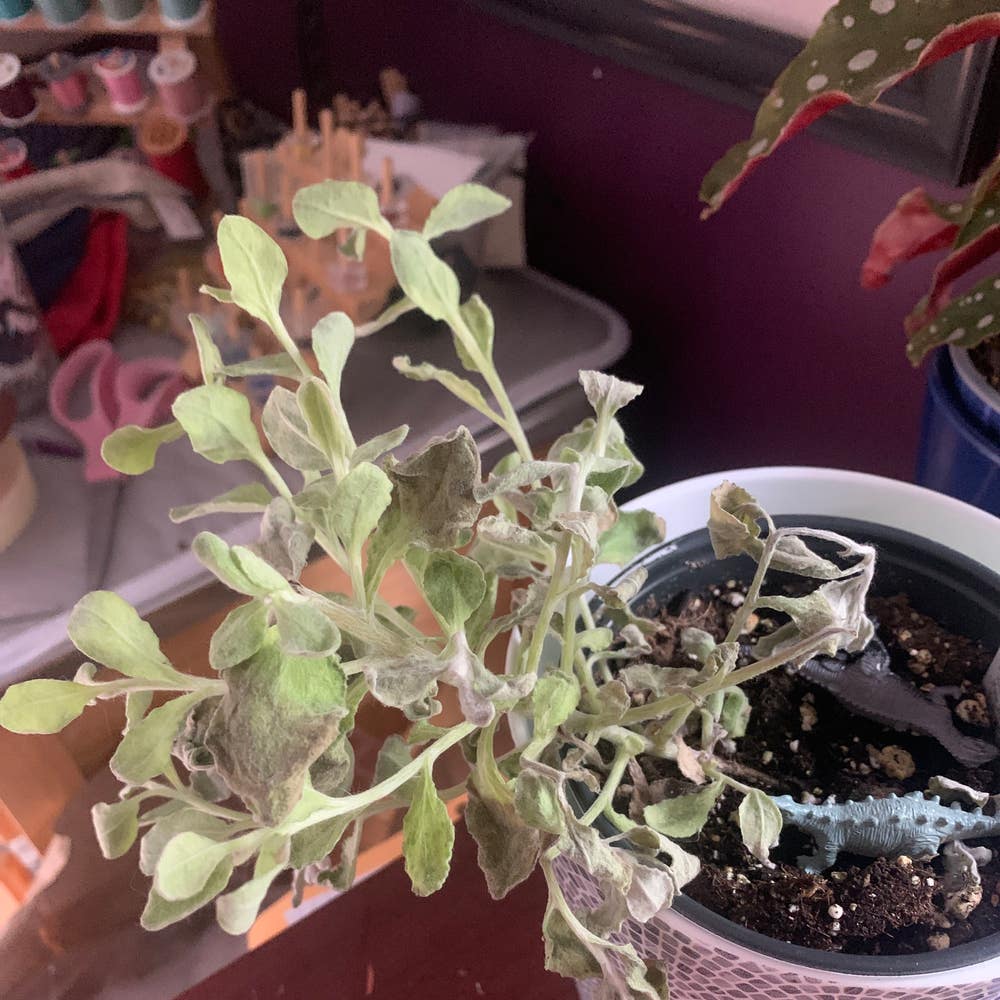
Brown spots on Mediterranean Strawflower leaves are like red flags; they demand attention. These spots often start small but can grow and merge into larger blotches. They may appear dry or wet and sometimes are surrounded by a yellow halo.
Common Confusions
Not all leaf blemishes are a cause for concern. Some are merely natural markings, uniform and harmless. However, random, unsystematic spots are the real troublemakers. Don't mistake spreading spots for benign issues like sunburn; they could signal a deeper problem.
The Usual Suspects: Causes of Brown Spots
🍄 Fungal Foes
Fungal infections are the silent invaders of the Mediterranean Strawflower, often leaving a trail of brown spots as evidence of their presence. These spots can vary in appearance, but common indicators include halos or a bullseye pattern. High humidity and poor air circulation are the perfect conditions for these pathogens to thrive. To combat them, it's crucial to maintain a dry and breezy environment around your Strawflower.
🦠 Bacterial Bullies
Bacterial infections manifest as water-soaked lesions on leaves, sometimes encircled by a yellow halo. These spots are a plant's distress signal, indicating an invasion that requires immediate attention. Bacterial blight can rapidly turn your Strawflower's leaves into a brown-spotted mess, so quick intervention with appropriate bactericides is key.
🌿 Environmental Stress
Non-pathogenic causes of brown spots include overwatering and sunburn. These stressors can leave marks that are easily mistaken for infections. Overzealous watering and exposure to intense sunlight without proper acclimation can result in brown spots that mar the beauty of your Strawflower. Adjusting your watering schedule and providing adequate shade can help prevent these issues.
Battling Brown Spots: Treatment Strategies
🦠 Fungal and Bacterial Busters
Fungicides are your first line of defense against the fungal fray. Choose one that's tough on fungi but kind to your Strawflower. Apply it with precision, ensuring every part of the leaf is covered, and stick to the recommended frequency. Over-application is a no-go.
For bacterial battles, copper compounds and specific bactericides are your allies. Use them like a sniper—sparingly and accurately. Remember, overuse could breed resistant superbugs. Safety first: gear up as if you're entering a lab.
Sanitation is key. Remove infected plant parts and sterilize your tools—think of it as a cleanliness crusade. Keep your garden tidy to prevent disease from spreading or lying in wait.
😌 Stress Relievers
Adjust your watering to hit that sweet spot—consistent moisture without the sogginess. Think of the soil as a wrung-out sponge; it should feel moist, not waterlogged.
Ensure your Strawflower gets the right amount of sunlight and airflow. It's like setting the stage for a healthy, stress-free life. Avoid wet leaves at all costs; they're an open invitation to fungal fiestas.
Rotate your fungicides to keep the fungi on their toes, and always, always read the label like it's a secret map to treasure. It's not just about what you apply, but how you create an environment that tells pests and diseases they're not welcome.
Keeping Spots at Bay: Prevention Tactics
🌱 Cultural Practices
Pruning isn't just a vanity project; it's strategic defense. Keep those shears disinfected and your cuts precise. It's like outfitting your plant in a custom-fit armor. Fertilize judiciously—too much is just as bad as too little. It's about hitting that sweet spot where your Strawflower feels like it's dining at a five-star restaurant, not at an all-you-can-eat buffet.
🕵️ Monitoring and Maintenance
Vigilance is your plant's best friend. Make regular check-ups part of your routine, like brushing your teeth. Catching trouble early is the secret sauce to a healthy Strawflower. Rotate your plant to ensure even growth; it's like making sure your tan is perfect, not just on one side. Water with precision—too much and you're throwing a pool party for fungi, too little and you're in drought mode. Aim for the Goldilocks zone of moisture.
Keep your garden tidy—debris is a disease's playground. Think of it as keeping your room clean to avoid uninvited guests. And remember, quarantine new plants like they're potential carriers of the plant zombie apocalypse. It's not paranoia; it's good sense. Use well-draining soil and pots with drainage holes because roots, like feet, need to breathe. Regular inspections are non-negotiable—be on the lookout for early signs of stress or pest invasion. It's like being a plant detective on a stakeout for brown spots.
⚠️ Safety First
This content is for general information and may contain errors, omissions, or outdated details. It is not medical, veterinary advice, or an endorsement of therapeutic claims.
Always consult a qualified healthcare professional before using any plant as food, medicine, or supplement.
Never eat any plant (or feed one to pets) without confirming its identity with at least two trusted sources.
If you suspect poisoning, call Poison Control (800) 222-1222, the Pet Poison Helpline (800) 213-6680, or your local emergency service immediately.
Spotted an error? Please report it here.
Keep your Mediterranean Strawflower spot-free 🍃 by using Greg to monitor and adjust watering schedules, ensuring your blooms stay healthy and vibrant!