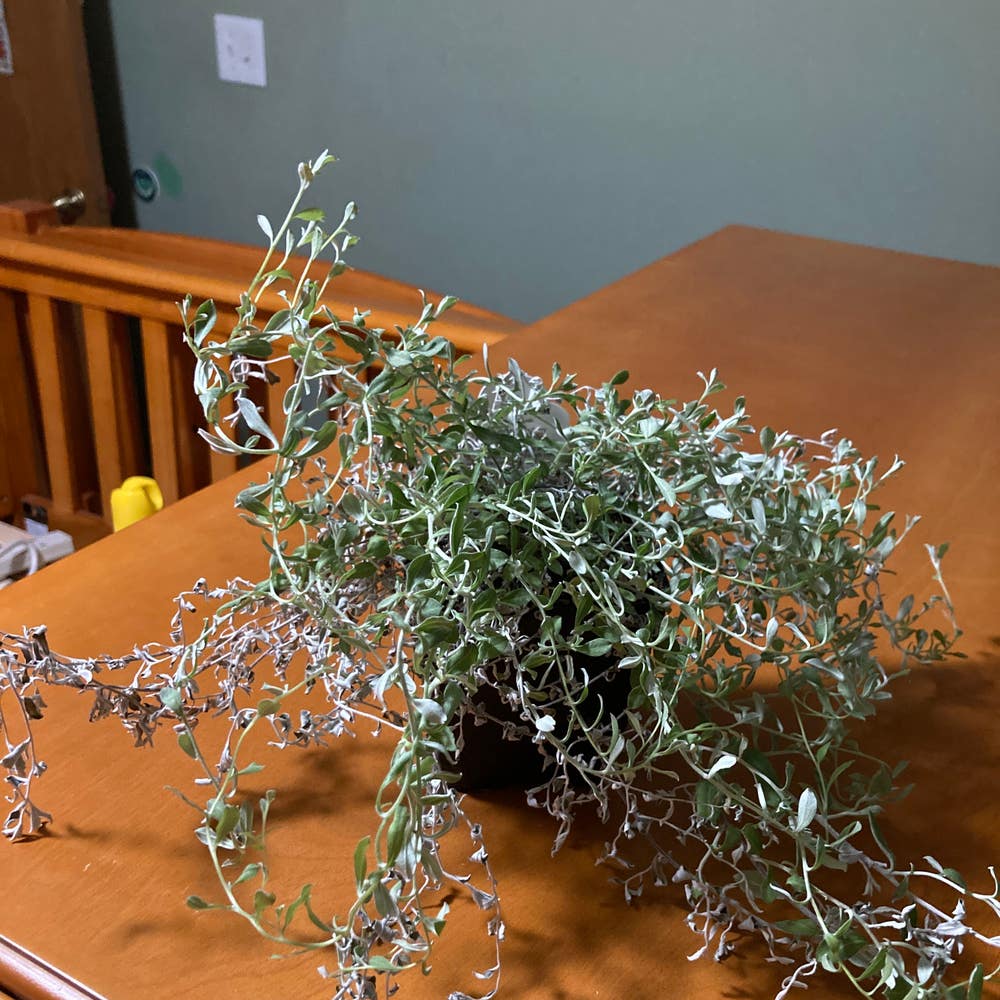
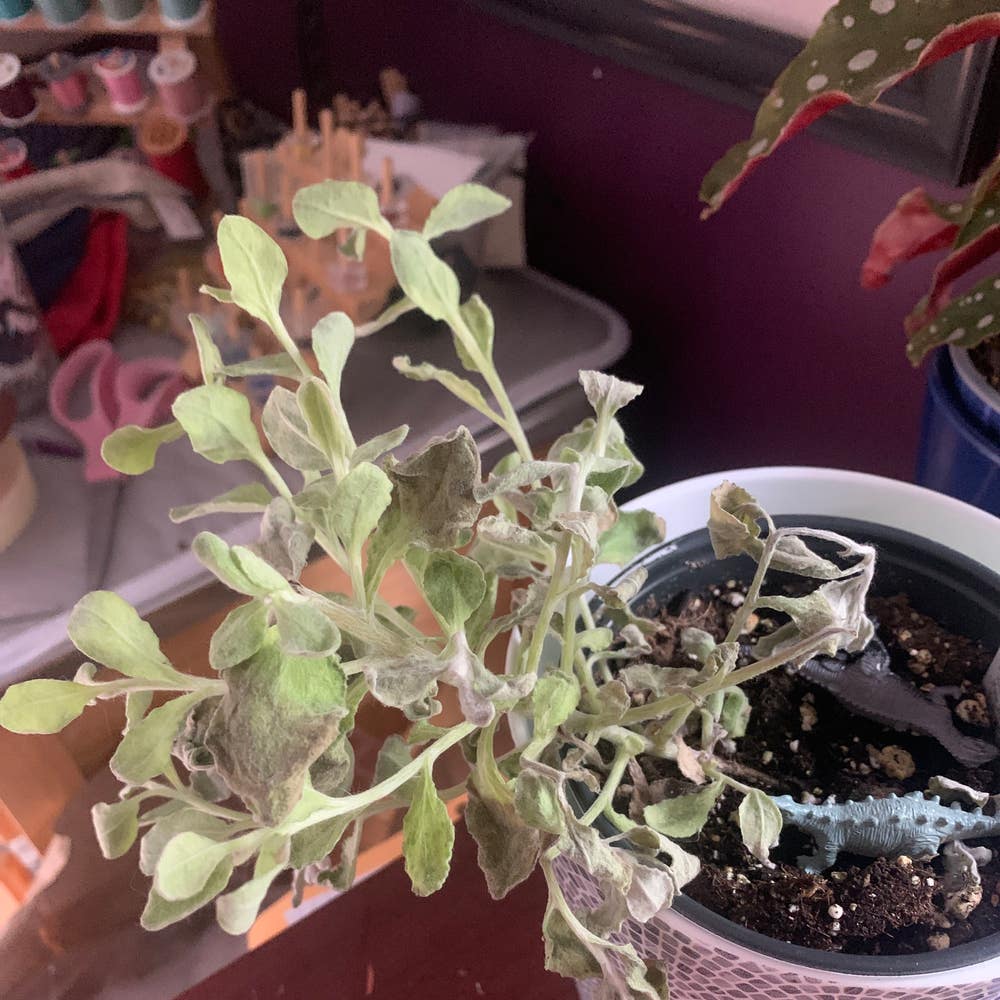
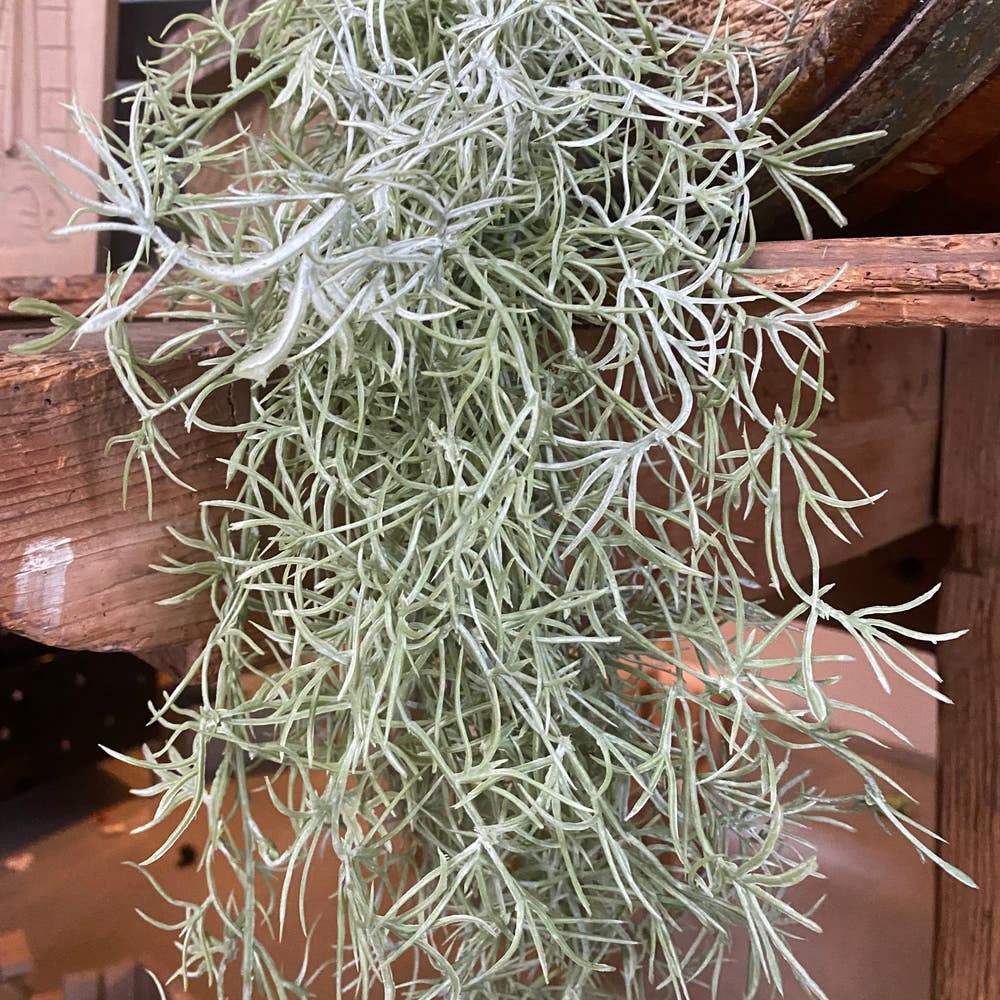
Why Are My Mediterranean Strawflower Leaves Curling?
Helichrysum stoechas
By the Greg Editorial Team
Apr 15, 2024•5 min read
This article was created with the help of AI so we can cover more plants for you. May contain errors. See one? Report it here.
Unravel the mystery of curling Strawflower leaves for a lush, happy plant! 🌿🔍
- Watering woes? Find the balance to prevent leaf curl.
- 🌱 Soil and light matter—ensure good drainage and indirect sunlight.
- 🛡️ Guard against pests, diseases, and extreme temps for healthy leaves.
Spotting the Culprits: What's Making the Leaves Curl?
🌊 Thirsty Roots or Waterlogged Soil?
Watering is a delicate dance, and getting it wrong can lead to leaf curl. Too much moisture and roots can't breathe, too little and they dehydrate. The goal is to keep the soil consistently moist, like a well-squeezed sponge, not a swamp or a desert.
🐜 Uninvited Guests: Pests and Diseases
Pests and diseases are uninvited diners at your Strawflower's table. Aphids, spider mites, and fungal infections like powdery mildew can all cause leaves to curl as they feast or infect. Combat these with targeted treatments, such as insecticidal soaps or fungicides, and ensure good air circulation to keep the party crashers at bay.
🔥 Feeling the Burn: Environmental Stress
Strawflowers can throw a fit when stressed by the elements. Heat waves, cold snaps, and drought can all cause leaf curling as the plant tries to conserve water or protect itself. Mitigate stress by providing shade during scorching weather, shelter from cold, and regular watering during dry spells.
Getting Down to the Root: Soil and Nutrition Fixes
🌱 The Foundation Matters: Soil Quality and Composition
Well-draining soil is crucial for preventing leaf curl in Mediterranean Strawflowers. It's the difference between a thriving plant and a droopy, curled mess. Organic matter is your secret weapon here, improving soil structure and nutrient availability. Adding compost or well-rotted manure can transform your soil from blah to voilà, but don't go wild—too much can backfire.
🌿 Soil Amendments That Can Help
If your soil is more "desert wasteland" than "fertile oasis," it's time for some TLC. Mix in perlite or peat moss to boost drainage and aeration. It's like giving your plant's roots a five-star hotel experience—plenty of room, with all the amenities they need.
🌱 Feed Me Right: Fertilization Do's and Don'ts
Understanding your Strawflower's nutritional needs is key to avoiding leaf curl. It's not about dumping a random mix of fertilizers and hoping for the best. Start with a soil test—it's like getting a sneak peek into your plant's dietary needs. Then, choose a balanced fertilizer, but remember, moderation is your mantra.
🌿 How to Choose and Apply Fertilizers
Go for a balanced fertilizer, typically something with an even NPK ratio. Apply it as if you're seasoning a gourmet dish—just enough to enhance, not overpower. Overfeeding is like inviting nutrient burn to the party, and trust me, it's a terrible guest. If you suspect an overdose, flush the soil with water to give those excess nutrients the boot.
Let There Be Light (But Not Too Much!)
💡 Finding the Sweet Spot: Ideal Light Conditions
Mediterranean Strawflowers don't take kindly to tanning sessions. Bright, indirect light is their jam. If they're basking in the midday sun, you'll see their leaves curl faster than a bodybuilder's biceps. To prevent this, position them where the light is soft yet generous, like near a north-facing window or behind a sheer curtain. It's all about avoiding the harsh glare while still pampering them with enough rays to keep them strutting their stuff.
Weathering the Weather: Temperature Control
When it comes to temperature, these beauties are a bit like Goldilocks—they want it just right. Mediterranean climate is their comfort zone, with daytime temps lounging between 65-75°F and nighttime numbers dipping to a cool 55-65°F. Anything more, and you'll have a wilting wallflower on your hands. Anything less, and you're in a frosty relationship that's going nowhere. Keep them cozy, but not coddled, and they'll thank you with the kind of leafy lushness that makes other plants green with envy. Protect them from temperature extremes by moving them to a sheltered spot when the weather decides to throw a tantrum.
Prevention is Better Than Cure: Ongoing Care Tips
🕵️ Regular Checks and Balances
Vigilance is your plant's guardian angel. Make it a habit to inspect your Mediterranean Strawflower regularly, like you're conducting a top-secret security check. Spot a leaf that's starting to curl? That's your cue to review your care routine and make necessary adjustments.
🍂 Seasonal Care Adjustments
Your Strawflower's needs change with the seasons, just like your wardrobe. Less water in the cooler months, and a bit more shade when the summer sun is beating down. It's about adapting to keep those leaves flat and fabulous.
💧 Watering Wisdom
Use a long-spout watering can to zero in on the soil, not the leaves. This simple switch can prevent a whole host of issues, including fungal infections that love to crash the party when leaves get wet.
🌡️ Stable Conditions
Strive for consistent environmental conditions. Dramatic temperature swings are as unwelcome to your Strawflower as a snowstorm in July. Keep it comfortable, keep it stable, and watch those leaves stay uncurled.
🌱 Pruning with Purpose
Prune with the precision of a master chef slicing sushi. It's not just about aesthetics; it's about removing any curled or damaged leaves to promote healthy new growth. Use clean, sharp tools to avoid inflicting more stress on the plant.
🌿 Soil and Plant Care
Remember, a healthy plant starts with healthy soil. Introduce organic matter to keep the soil in top form, like you're feeding your plant a balanced diet. And when it comes to fertilizing, think of it as seasoning food—just enough to enhance, not overpower.
⚠️ Safety First
This content is for general information and may contain errors, omissions, or outdated details. It is not medical, veterinary advice, or an endorsement of therapeutic claims.
Always consult a qualified healthcare professional before using any plant as food, medicine, or supplement.
Never eat any plant (or feed one to pets) without confirming its identity with at least two trusted sources.
If you suspect poisoning, call Poison Control (800) 222-1222, the Pet Poison Helpline (800) 213-6680, or your local emergency service immediately.
Spotted an error? Please report it here.
Prevent your Mediterranean Strawflower's leaves from curling by using Greg's 🌿 tailored care reminders for the right water, light, and temperature conditions.