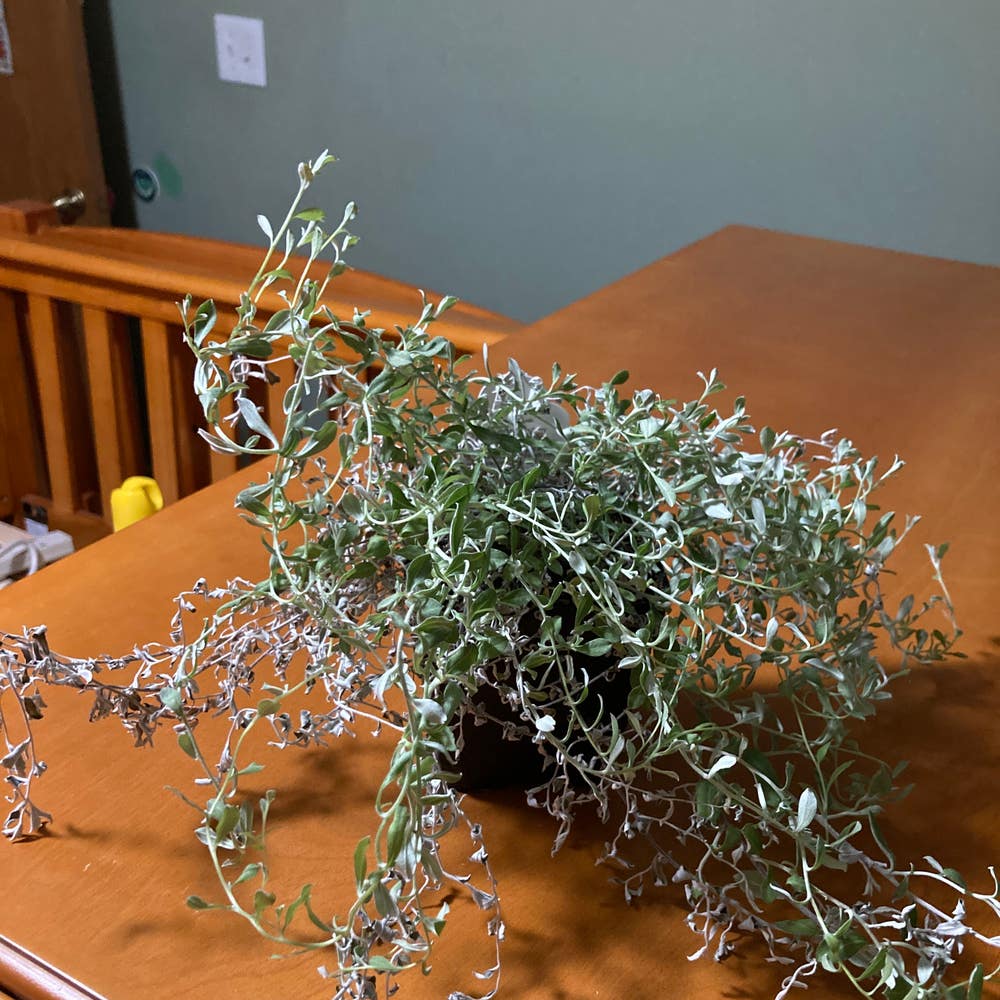
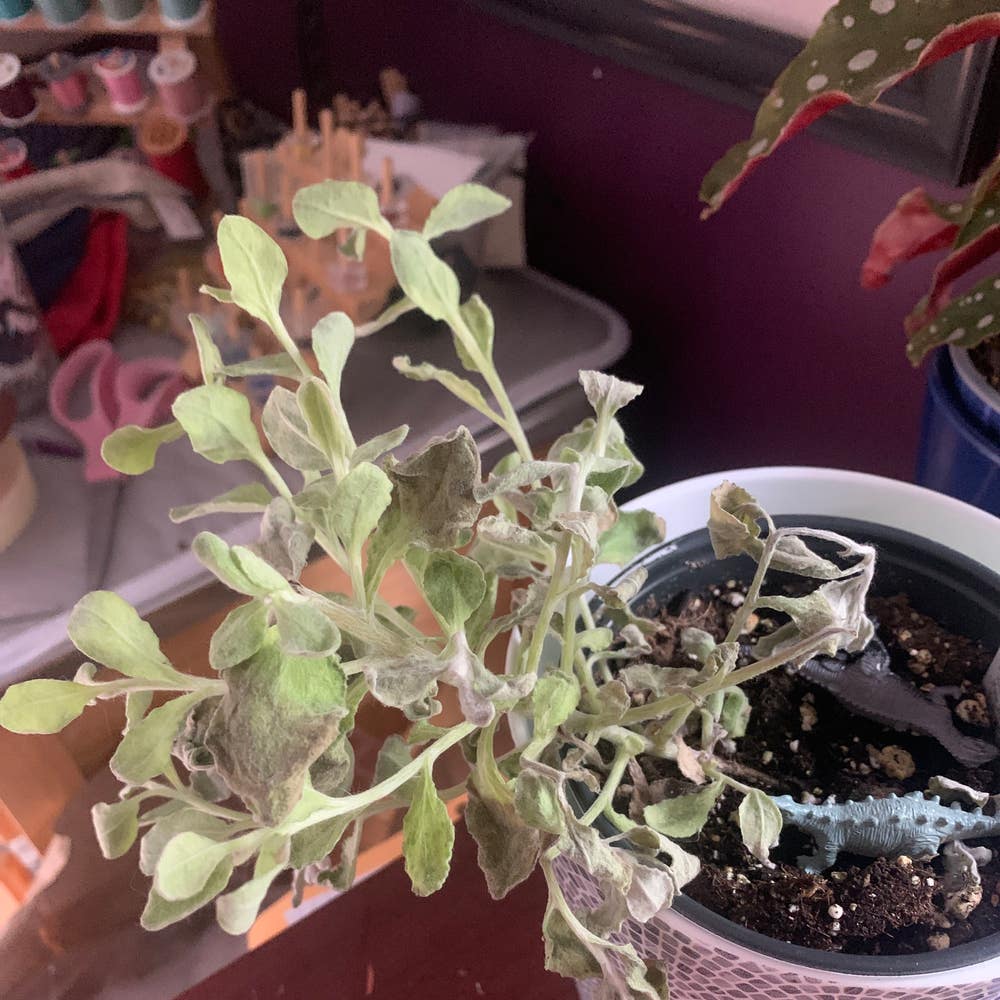
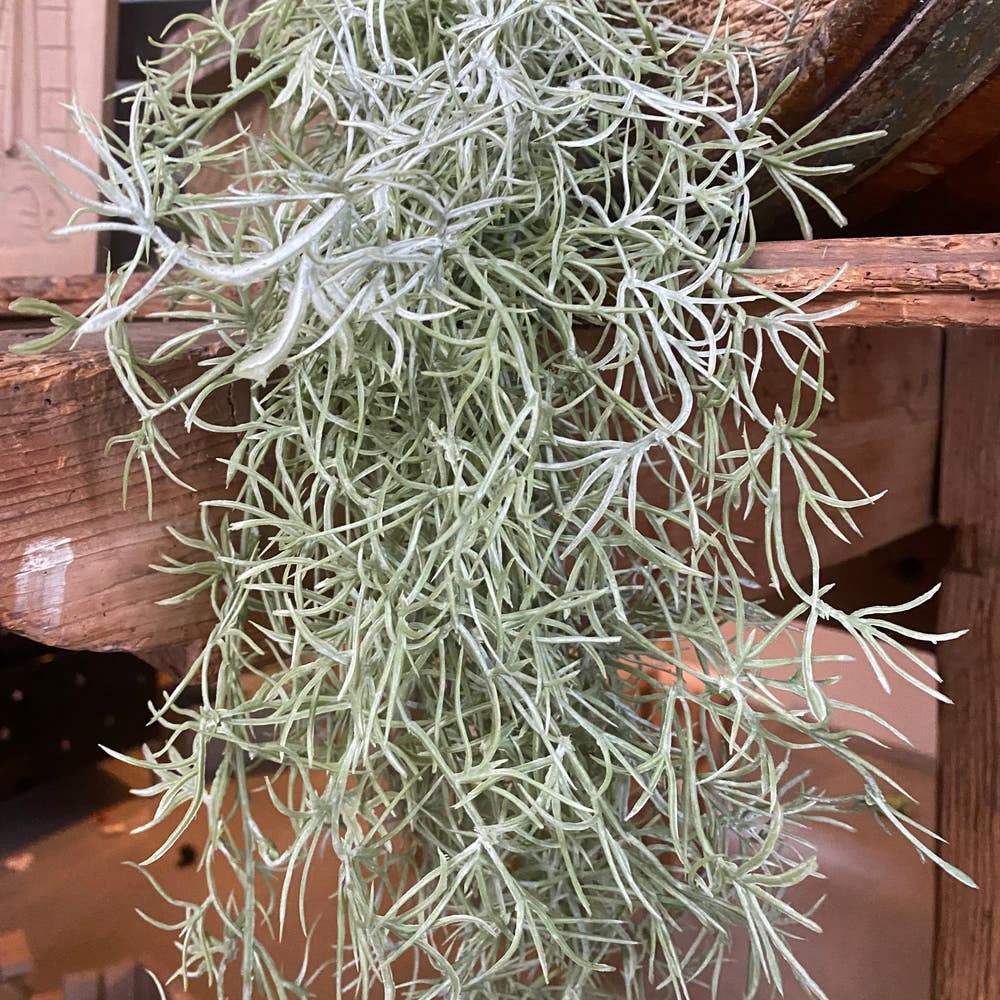
Why Are My Mediterranean Strawflower Leaves Droopy?
Helichrysum stoechas
By the Greg Editorial Team
Apr 15, 2024•4 min read
This article was created with the help of AI so we can cover more plants for you. May contain errors. See one? Report it here.
Diagnose and perk up your Strawflower's droopy leaves 🍂 with expert care tips for a vibrant bloom!
- Under/overwatering, light, temp, nutrients cause droopy Strawflower leaves.
- Mimic Mediterranean climate with proper watering, soil, and pot.
- Balanced fertilizer in growth phase ensures healthy leaves.
Pinpointing the Culprit: Common Causes of Droopy Leaves
🏜️ Underwatering Woes
Thirsty Strawflowers send distress signals through droopy leaves. To check for underwatering, feel the soil; it should be moist, not bone-dry.
🚰 The Perils of Overwatering
Overwatering symptoms include soggy leaves and a swamp-like soil feel. Ensure your pot has proper drainage to prevent waterlogged roots.
🌞 When Light and Temperature Throw a Curveball
Droopiness can also stem from insufficient light or extreme temperatures. Relocate your Strawflower to a spot with ideal light exposure and stable temperatures.
🍽️ Nutrient Deficiency: The Silent Saboteur
A nutrient-starved Strawflower will have lackluster leaves. Look for fertilizers rich in nitrogen and potassium to maintain leaf vigor.
Thirst Quenching: Watering Practices to Revive Droopy Leaves
💧 Fine-Tuning Your Watering Routine
Mediterranean Strawflowers aren't just about the sun and sea; watering is their lifeline. To prevent your Strawflower from becoming a wilted wallflower, establish a watering schedule that mimics its native coastal breezes and occasional downpours.
Start by soaking the soil until it's moist, not drenched, and let the top inch dry out before the next watering session. Think of it as a hydration balance—too much and you drown it, too little and you're giving it a drought. Consistency is your plant's best friend, so keep your watering as regular as the tides.
Soil and Pot Considerations
The right soil mix and pot type can make or break your Strawflower's mood. Opt for a well-draining mix that holds just enough moisture without becoming a swamp.
Terracotta pots are the unsung heroes here, wicking away excess moisture like a charm. Ensure the pot is just the right size—not too snug, not too spacious. A pot that's too large will hold more water than your Strawflower can handle, leading to a soggy situation. Remember, good drainage is the secret sauce to perky petals.
Let There Be Light (and Just the Right Temperature)
🌞 Finding the Sweet Spot for Sunlight
Strawflower thrives in bright, indirect light. It's the plant equivalent of a lazy sunbath behind sunglasses. To achieve this, position your Strawflower where it can soak up gentle morning rays or bask in the soft glow of the afternoon sun. Rotate the pot regularly to prevent the plant from leaning into the light like a sunflower chasing the sun.
🥶 Keeping the Chill at Bay
Temperature consistency is key; think of your Strawflower as a guest at a garden party—neither sweating under a midday sun nor shivering in the evening breeze. Maintain a daytime temperature between 65°F and 75°F, and slightly cooler at night. Avoid drafts and cold windows like you'd avoid a conversation about politics at said party. If winter's chill is knocking, consider a grow light as a warm hug for your Strawflower.
Feeding Finesse: Nutrient Management for Healthy Leaves
💪 Crafting the Perfect Diet
Selecting the right fertilizer is like choosing a tailored suit for your Mediterranean Strawflower. You want a balanced mix of N-P-K—nitrogen, phosphorus, and potassium. But don't ignore the backup singers: micronutrients like iron and manganese. They're crucial for preventing the dreaded droop.
Organic options, think fish emulsion or seaweed extract, are the slow-release rock stars of the nutrient world. They're gentle, feeding your Strawflower without overwhelming it. Synthetic fertilizers can offer a quick fix, but it's a fine line—too much, and you risk nutrient burn.
🕰 Timing is Everything
Fertilize when your Strawflower is most receptive—during its active growth phase. This usually means spring and summer. It's like hitting the gym when you're full of energy; that's when your plant can handle—and needs—the extra nutrition.
Moist soil is your friend here. It helps distribute those tasty nutrients evenly. So, time your fertilizing around your watering schedule. And remember, overfeeding is as bad as underfeeding. Stick to the manufacturer's instructions for dosage to avoid a nutrient overdose.
Keep an eye on the aftermath of feeding. Bright green leaves and new growth? You're on the right track. Yellow leaves or dead spots? Time to reassess your nutrient game plan. It's all about watching, learning, and adjusting—like any good relationship.
⚠️ Safety First
This content is for general information and may contain errors, omissions, or outdated details. It is not medical, veterinary advice, or an endorsement of therapeutic claims.
Always consult a qualified healthcare professional before using any plant as food, medicine, or supplement.
Never eat any plant (or feed one to pets) without confirming its identity with at least two trusted sources.
If you suspect poisoning, call Poison Control (800) 222-1222, the Pet Poison Helpline (800) 213-6680, or your local emergency service immediately.
Spotted an error? Please report it here.
Turn your Strawflower's droop into a flourishing display 🌊 with Greg's tailored reminders for the perfect coastal-inspired care routine.