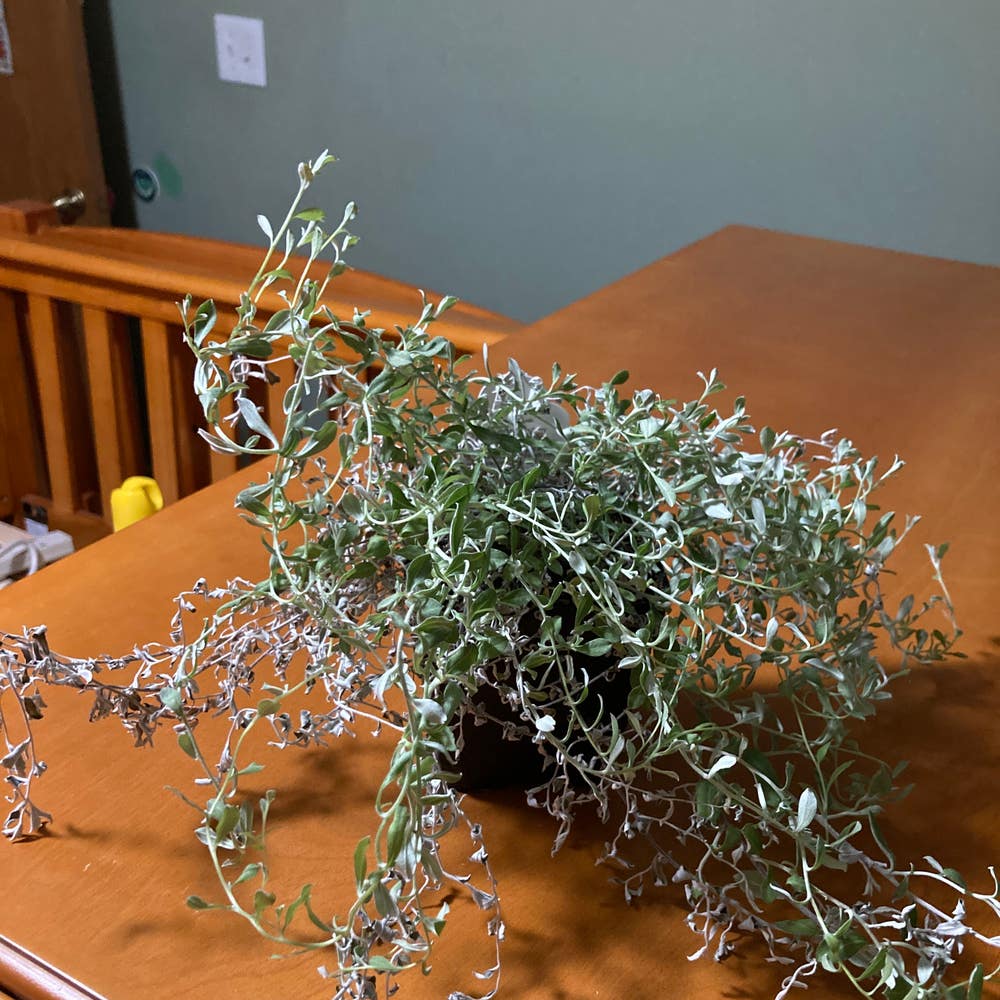
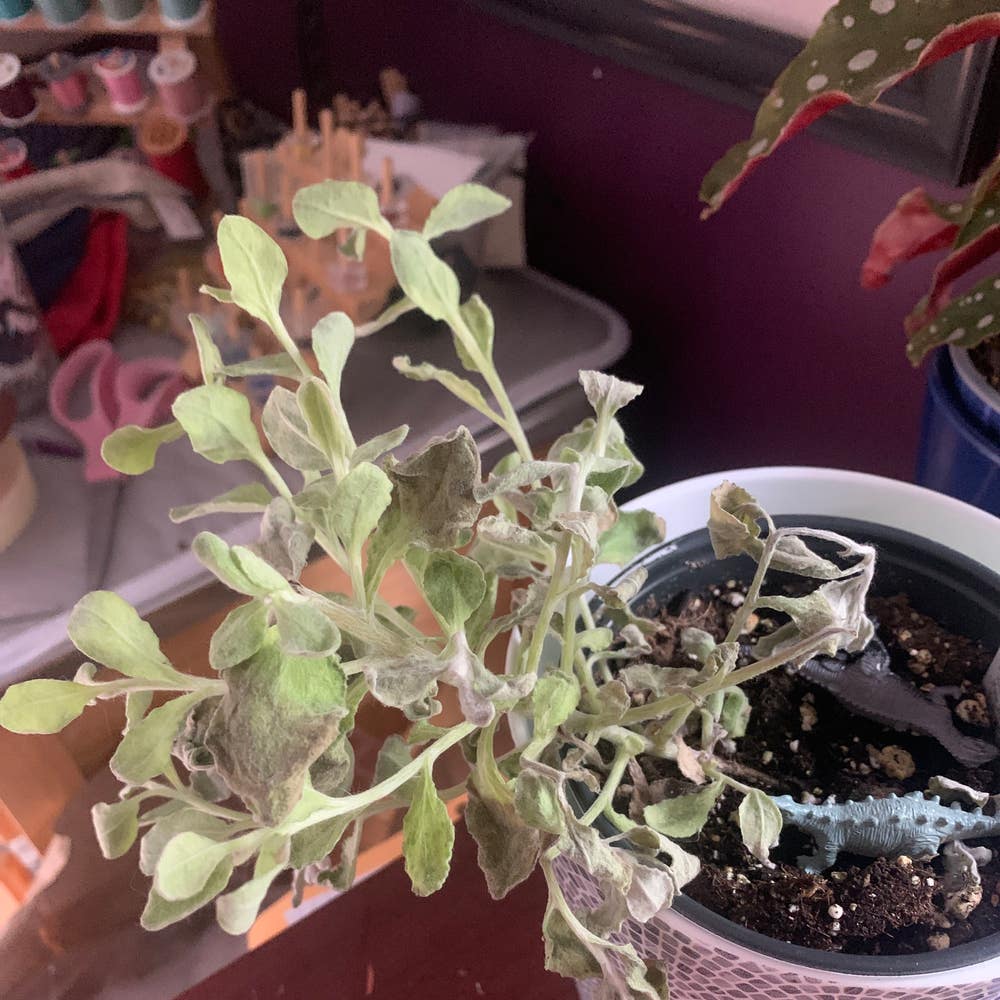
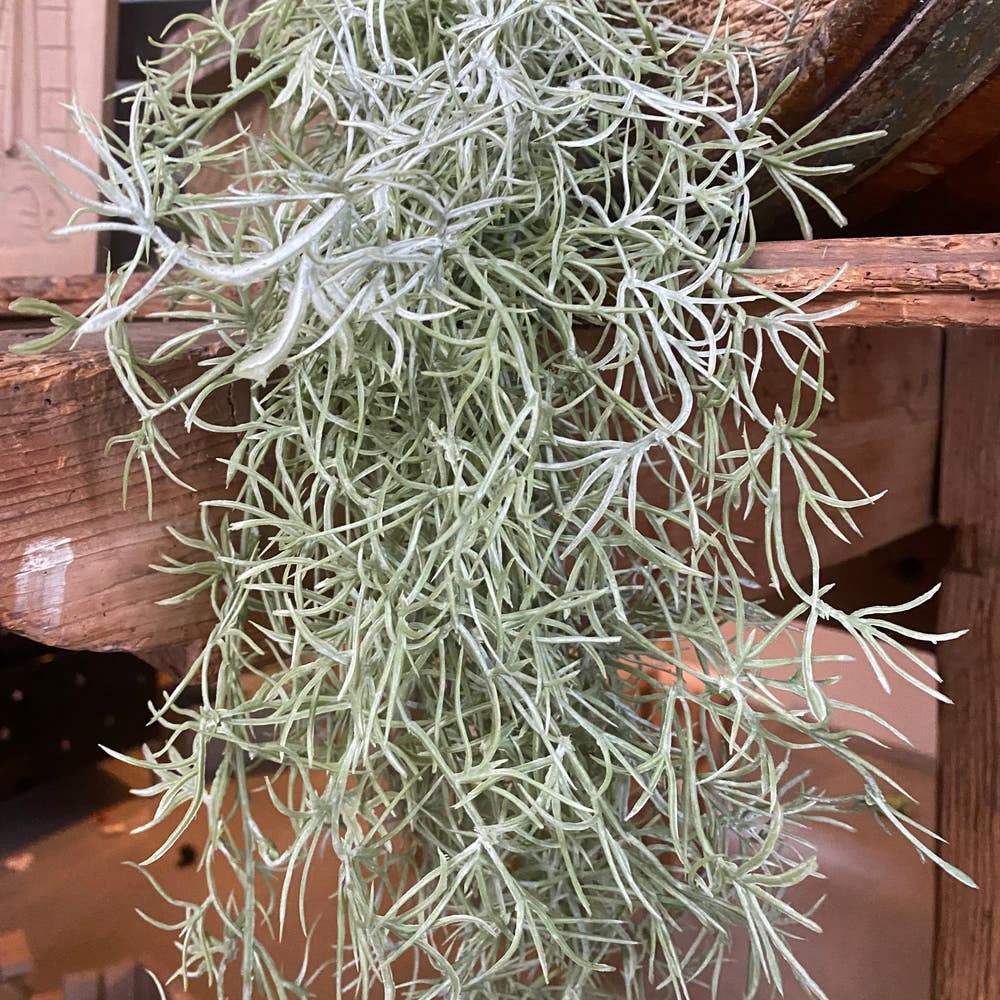
Why Is My Mediterranean Strawflower Dropping Leaves?
Helichrysum stoechas
By the Greg Editorial Team
Apr 15, 2024•4 min read
This article was created with the help of AI so we can cover more plants for you. May contain errors. See one? Report it here.
Prevent your Strawflower's leaf-drop 🍂 with tailored care tips that ensure a happy, healthy bloom. 🌼
- Adjust watering based on plant's signs, not a fixed schedule.
- 🌡️ Keep temperature 60-80°F and humidity 50-60% for healthy leaves.
- Bright, indirect light and balanced N-P-K prevent leaf drop.
When Water Works Against You
💧 Signs of Water Woes
Wilting leaves and crispy tips are your Mediterranean Strawflower's way of saying it's thirsty. Conversely, if the leaves feel mushy or you spot black spots or browning tips, you're likely dealing with a case of overwatering. A soil check can confirm your suspicions: soggy soil or a musty smell are dead giveaways that you've been too generous with the watering can.
Fine-Tuning Your Watering Routine
To stop the leaf drop, adjust your watering routine based on your plant's feedback, not a preset schedule. If the soil is drier than your humor, it's time to water. If it's clinging to your fingers, hold off. Consider adding perlite or sand to improve drainage if overwatering is a habit. For those who tend to underwater, setting a reminder might be your saving grace. Remember, a moisture meter can be a trusty sidekick in your quest for the perfect watering balance.
Battling the Elements
🌡️ Temperature Tantrums and Humidity Hiccups
Mediterranean Strawflowers don't take kindly to climate swings. They need a steady temperature, ideally between 60-80°F. If your home is a rollercoaster of hot and cold, expect some leafy backlash. Use a thermostat to keep the indoor climate consistent, and steer clear of drafts and vents that could cause sudden temperature changes.
Humidity is another balancing act. Aim for a 50-60% humidity level to prevent your Strawflower from going crisp or succumbing to rot. A humidifier or a pebble tray can help maintain that sweet spot, ensuring your plant doesn't throw a humidity hissy fit.
💡 Let There Be (The Right Amount of) Light
Lighting is crucial, but it's all about finding the Goldilocks zone: not too much, not too little. Bright, indirect light will keep your Strawflower's leaves from staging a protest. If you notice the leaves getting as pale as a ghost, dial down the sunlight. Conversely, if they're darker than your morning espresso, it's time to let in more light.
Rotate your plant regularly to ensure even light exposure. This prevents the dreaded one-sided tan and keeps your Strawflower looking its best. Remember, stability is key. Sudden changes in light can be as jarring as an unexpected plot twist in your favorite series. Keep conditions as predictable as your morning coffee to avoid a leaf-dropping drama.
Feeding Frenzy: Nutrients Needed
🍽️ Spotting Starvation in Strawflowers
Yellowing leaves scream nitrogen deficiency, while a bushy plant with no blooms likely has too much nitrogen and not enough phosphorus and potassium. It's a delicate balance, like a tightrope walker's act—too much or too little, and down goes the performance.
🍽️ Serving Up a Balanced Diet
Moderation is your mantra when it comes to fertilization. A balanced N-P-K mix is the staple diet for your Strawflower, but don't ignore the micronutrient munchies—iron and manganese are like the sprinkles on top of the essential nutrient ice cream. Overfeeding is a no-go; it's the equivalent of a nutrient overdose. Stick to the script—manufacturer's instructions are there for a reason. Watch your plant's reaction like a hawk; brighter green leaves and new growth are your green light that you're doing it right.
Bug Off! Pests and Pathogens
🐜 Unwanted Guests: Identifying Pests and Diseases
Your Mediterranean Strawflower is not throwing a party, but pests and diseases didn't get the memo. Inspect leaves, stems, and soil for uninvited guests. Spider mites are the secretive type, leaving behind fine webbing. Mealybugs are messy, excreting a sticky substance. Fungal diseases like powdery mildew and botrytis make their presence known with unsightly spots or a floury coating.
🦠 Evicting Pests and Curing Diseases
Once you've spotted the problem, it's eviction time. Start with the basics: remove damaged foliage to prevent energy waste and spread of disease. If chemical warfare is necessary, go for insecticides—but always as a last resort. Embrace nature's pest control by welcoming ladybugs and lacewings to your garden. They're like the bouncers at the club, keeping the riff-raff out. For diseases, consider copper fungicides or Mycostop, but stay eco-friendly. Remember, a clean garden is a happy garden. Keep debris out and consider a soil refresh to deter future pests and diseases.
⚠️ Safety First
This content is for general information and may contain errors, omissions, or outdated details. It is not medical, veterinary advice, or an endorsement of therapeutic claims.
Always consult a qualified healthcare professional before using any plant as food, medicine, or supplement.
Never eat any plant (or feed one to pets) without confirming its identity with at least two trusted sources.
If you suspect poisoning, call Poison Control (800) 222-1222, the Pet Poison Helpline (800) 213-6680, or your local emergency service immediately.
Spotted an error? Please report it here.
Banish leaf-drop woes 🌼 with Greg's personalized reminders and care tips, ensuring your Mediterranean Strawflower thrives with the right water, light, and nutrients.