Why Are My Mediterranean Strawflower Leaves Turning Yellow?
Helichrysum stoechas
By the Greg Editorial Team
Apr 15, 2024•5 min read
This article was created with the help of AI so we can cover more plants for you. May contain errors. See one? Report it here.
Restore your Strawflower's glow 🌞 by tackling the yellow leaf mystery with our expert guide!
- 🍂 Yellow leaves signal distress; check for limpness or crispy edges.
- 💧🌞 Balance water and sunlight; avoid overwatering and overexposure.
- 🌱 Address nutrient deficiencies with balanced fertilizer; watch for pests.
Spotting the Signs: When Yellow Isn't Mellow
🍋 Identifying Yellow Leaves: What to Look for Beyond the Color Change
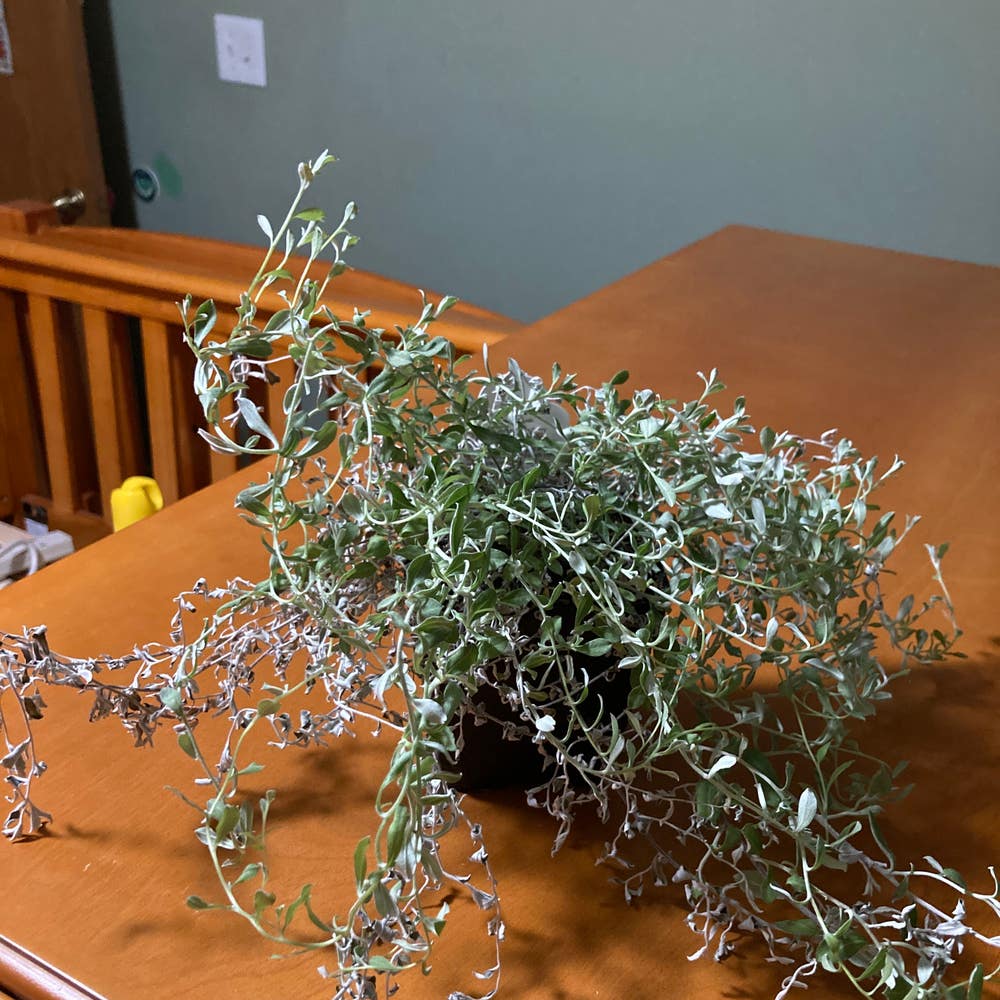
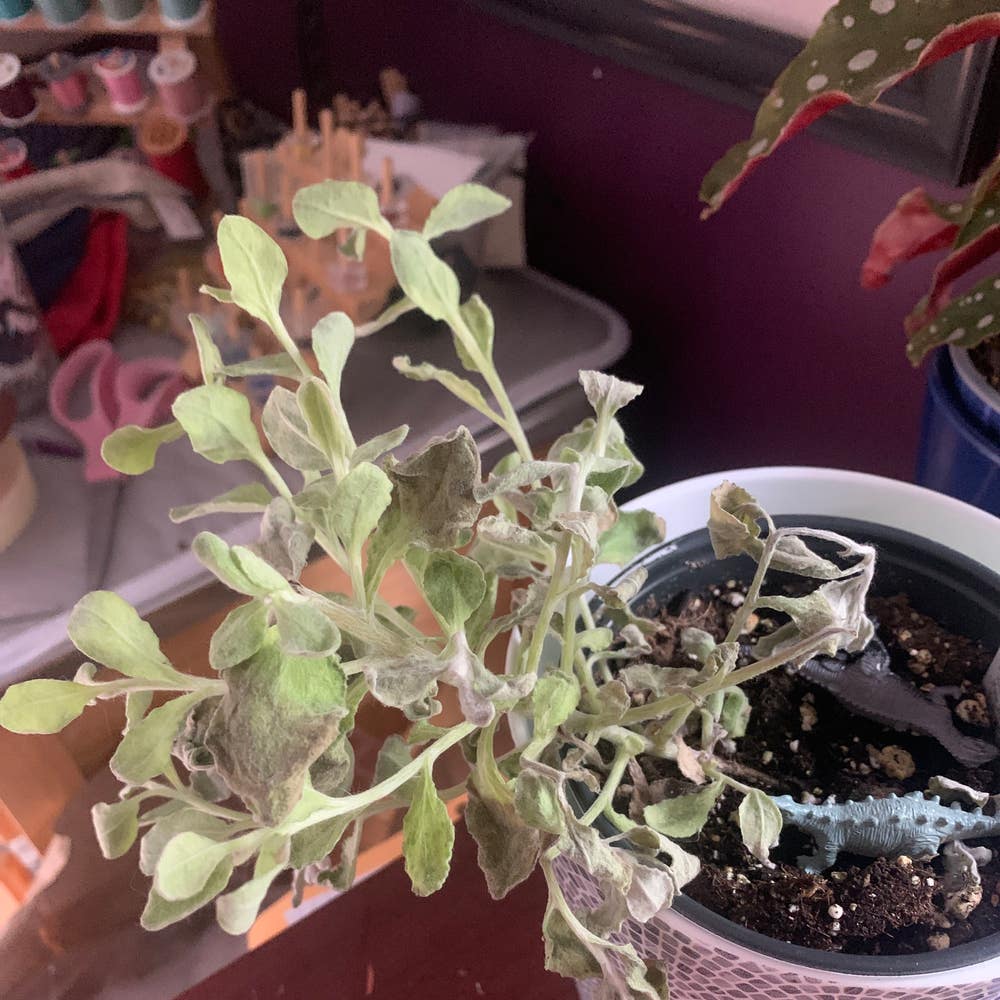
Yellow leaves on your Mediterranean Strawflower aren't just a visual downgrade; they're a distress signal. Look for leaves that have lost their luster, turning from a vibrant green to a dull yellow. This shift in color is your cue to dig deeper. But don't stop there—check if the leaves are also becoming limp or if their edges are crisping up like overdone toast.
🎨 Patterns of Yellowing: Understanding the Clues Given by the Pattern and Progression of Yellowing
Patterns in yellowing can be as telling as a good detective novel. Is it a solo act or a full-plant ensemble? Uniform yellowing across the plant often points to a systemic issue, like a nutrient deficiency or a watering mishap. On the other hand, if it's a spotty situation, you might be dealing with localized trauma or pests throwing a party. Keep an eye on how the yellowing unfolds over time—it's your plant's way of weaving a tale that something's up.
The Root of the Problem: Uncovering Causes Specific to Mediterranean Strawflower
💧 Thirsty Roots or Drowning Sorrows: Balancing Water Intake for Strawflower
Mediterranean Strawflower's yellow leaves can be a watering woe. Overzealous watering leads to root rot, while a stingy water schedule leaves roots parched. Check the soil—if it's soggy, ease up; if it's bone dry, it's time to hydrate. Aim for moist, not swampy or desert-like conditions.
🍽️ Hungry for Nutrients: Identifying and Fixing Nutrient Deficiencies
Yellowing leaves might be your Strawflower's way of saying, "Feed me!" Nitrogen deficiency often presents as yellow leaves, while phosphorus or potassium shortages can result in a lackluster plant. Micronutrients matter too; iron and manganese are crucial for vibrant foliage. A balanced fertilizer could be the ticket to green-up those leaves.
🐜 Unwanted Guests: Recognizing Pest and Disease Signs that Lead to Yellowing
Pests and diseases can turn Strawflower leaves yellow. Spider mites suck the life out of leaves, leaving them yellow and brown. Poor air circulation invites trouble, so space your plants for optimal airflow. Keep an eye out for leafhoppers, which can spread aster yellows virus, a disease with no cure—remove infected plants ASAP to prevent spread.
Turning Over a New Leaf: Direct Solutions for Yellowing Strawflower
💧 Adjusting Water Habits
Watering your Mediterranean Strawflower is less about sticking to a strict schedule and more about understanding its needs. Check the soil; if it's dry two inches down, it's time to water. Overwatering can be just as harmful as neglect, leading to root rot. Ensure proper drainage to avoid waterlogged roots. Remember, this plant is drought-tolerant, so when in doubt, less is more.
🍽️ Feeding Your Flowers
Nutrient deficiencies can turn Strawflower leaves yellow. A balanced fertilizer is your best friend here, but don't go overboard. Half the recommended dosage can prevent nutrient burn and keep your Strawflower happy. Organic options work well, especially since Strawflowers are suited for organic gardening. Regular feeding during the growing season keeps your blooms vibrant.
🐞 Keeping Pests at Bay
Pests like spider mites can cause yellowing and browning. They're tiny but mighty in their destruction. Insecticides can be effective, but consider environmental impact and use as a last resort. Prevention is key—keep an eye out for early signs of infestation and act swiftly. Remove any damaged leaves to stop pests from spreading and drawing energy away from healthy growth.
Creating the Ideal Strawflower Sanctuary
🌞 Sunbathing and Shade: Finding the Sweet Spot for Sunlight Exposure
Strawflowers are sun worshippers, thriving in warm climates with a penchant for basking in full glory. Six hours of sunlight is their daily dose of happiness, but like a good tan, it's all about not overdoing it. Too much sun can lead to a sunburnt look on the leaves, so watch for signs of scorch, like bleached or crispy edges.
🌴 Shady Solutions
If your Strawflower starts to look like it's had a bit too much sun, it's time to dial it back. Use shade cloths to defend against the midday sun's enthusiasm, or position them where they can enjoy some afternoon shade. It's a delicate dance of light and shadow, ensuring your Strawflowers get their sunlight fix without the hangover.
⛅️ Weathering the Weather: Protecting Your Strawflower from Temperature and Humidity Extremes
Strawflowers aren't fans of the cold shoulder. Frost is their nemesis, so when temperatures start to drop, think of straw or plastic coverings as cozy winter coats. These materials trap heat, creating a snug microclimate that keeps the chill at bay.
🌡️ Humidity and Heat: The Balancing Act
While Strawflowers can handle the heat, they're not so keen on humidity. Aim for a Goldilocks zone—not too muggy, not too dry. During heatwaves, water early in the morning or late in the day to avoid evaporation and ensure your Strawflowers stay hydrated without getting waterlogged. Remember, it's about creating a stable environment that doesn't swing from sauna to icebox.
⚠️ Safety First
This content is for general information and may contain errors, omissions, or outdated details. It is not medical, veterinary advice, or an endorsement of therapeutic claims.
Always consult a qualified healthcare professional before using any plant as food, medicine, or supplement.
Never eat any plant (or feed one to pets) without confirming its identity with at least two trusted sources.
If you suspect poisoning, call Poison Control (800) 222-1222, the Pet Poison Helpline (800) 213-6680, or your local emergency service immediately.
Spotted an error? Please report it here.
Revive your Strawflower's glow by pinpointing the yellow-leaf culprit with Greg's PlantVision 🌿 and tailor your care routine for a thriving bloom.