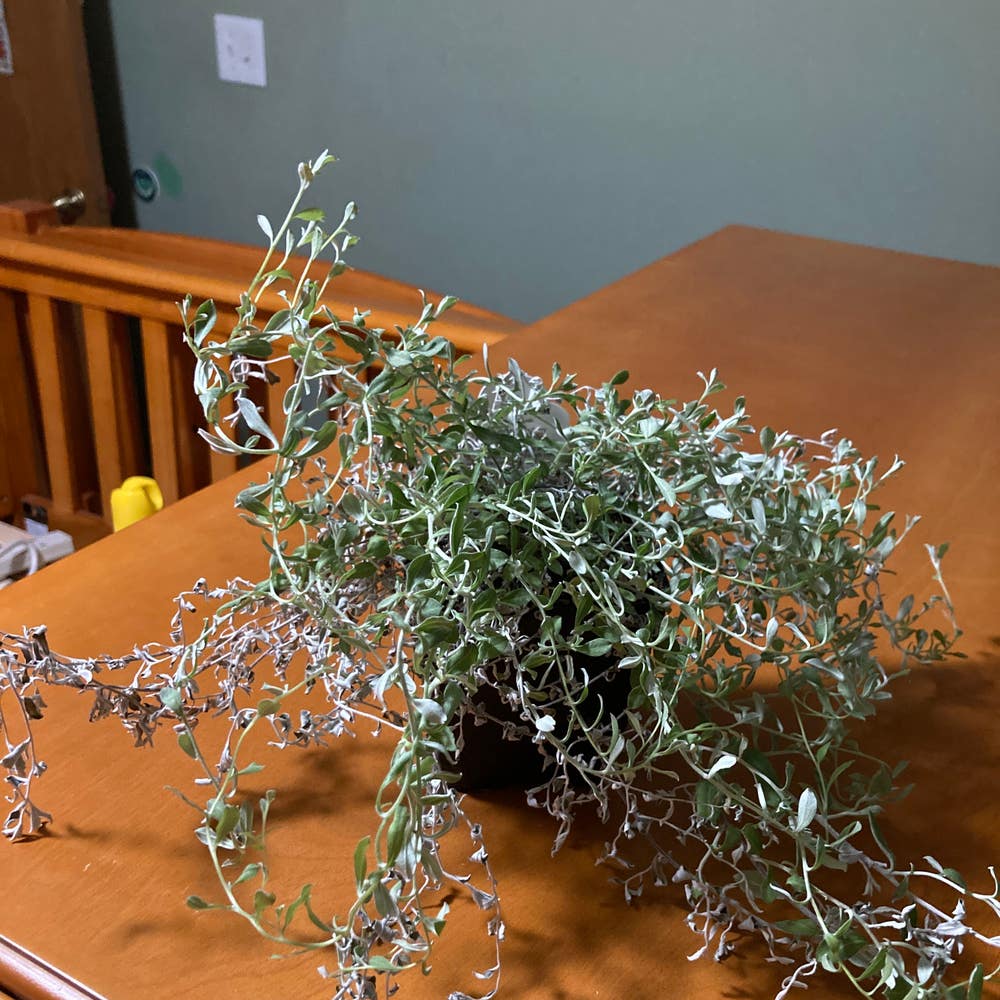
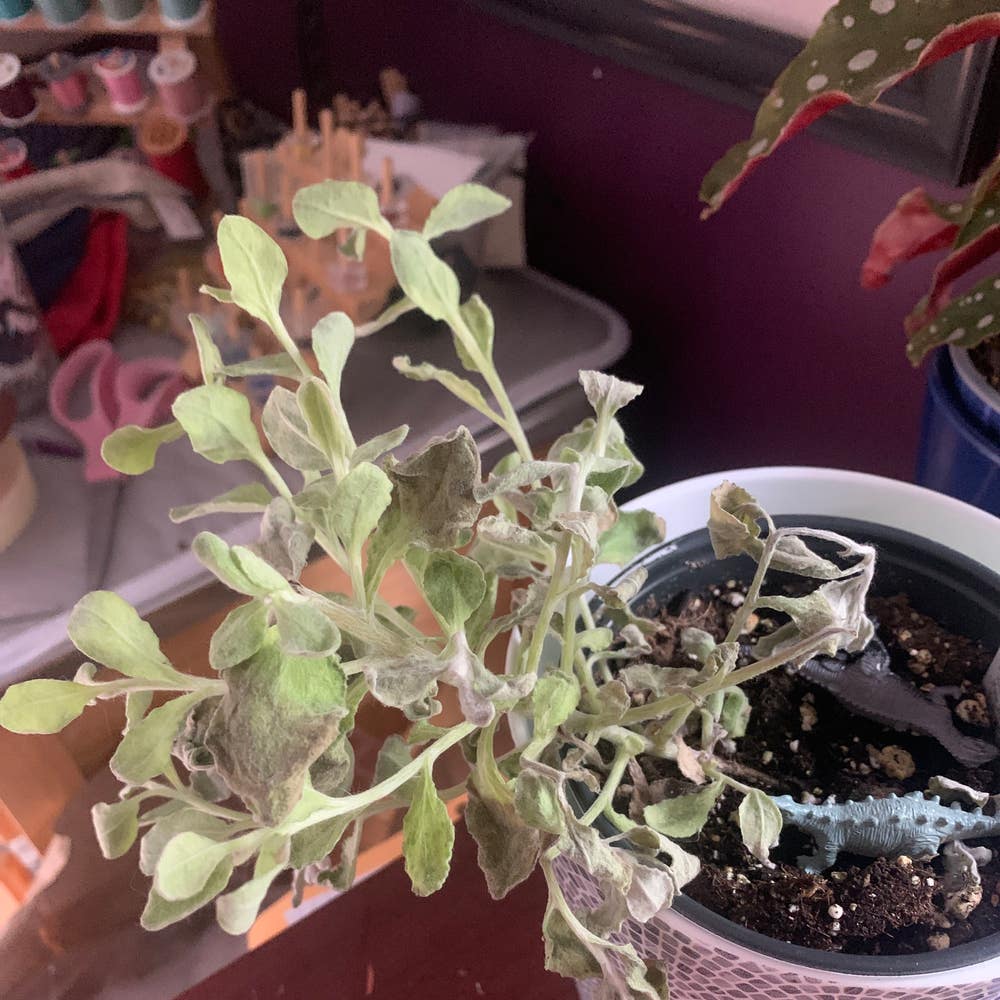
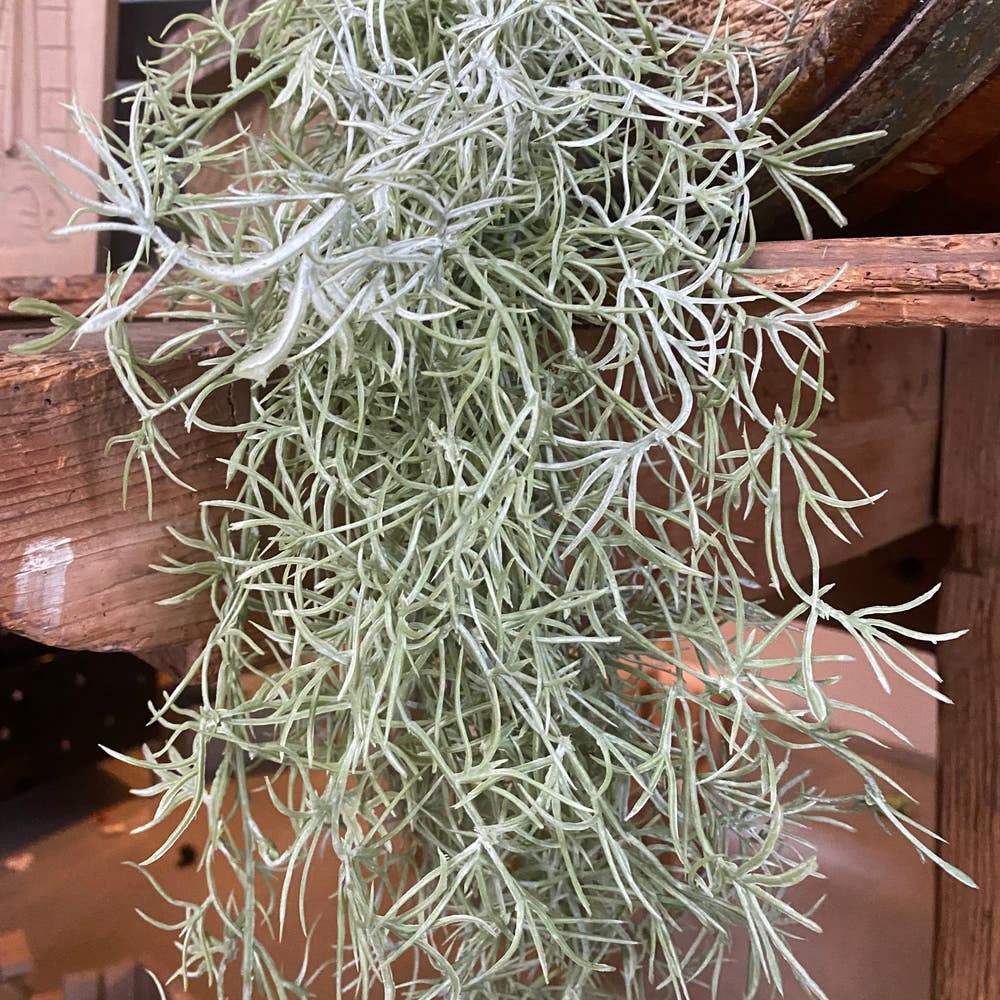
10 Factors Affecting Mediterranean Strawflower Flowering 🌻
Helichrysum stoechas
By the Greg Editorial Team
Sep 30, 2024•4 min read
This article was created with the help of AI so we can cover more plants for you. May contain errors. See one? Report it here.
Revitalize your Mediterranean strawflowers 🌼 with essential tips for vibrant blooms and thriving growth all season long!
- 🌞 Mediterranean strawflowers need 6-8 hours of sunlight daily for optimal blooms.
- 🌱 Nutrient imbalances in phosphorus and potassium can hinder flowering success.
- 💧 Consistent watering prevents overwatering and underwatering, crucial for healthy blooms.
Flowering Problems in Mediterranean Strawflower
🌼 Failure to Bloom
Causes
Insufficient Light
Mediterranean strawflowers thrive in full sun, requiring 6-8 hours of direct sunlight daily. When shaded, these plants struggle to produce blooms, leading to disappointing results.
Poor Soil Nutrition
Nutrient imbalances can significantly disrupt the bloom cycle. Essential nutrients like phosphorus and potassium are crucial for vibrant flowering.
Incorrect Watering
Watering practices play a vital role in flowering success. Overwatering can lead to root rot, while underwatering stresses the plant, both of which hinder blooming.
💡 Solutions
Adjusting Light Exposure
To enhance flowering, consider relocating your strawflowers to sunnier spots. Using reflective surfaces can also help maximize light exposure.
Fertilization Tips
For optimal blooming, use fertilizers with a balanced NPK ratio, focusing on phosphorus and potassium. Timing is key; fertilize during the growing season for the best results.
Watering Techniques
Establish a consistent watering schedule to maintain soil moisture. Always check soil moisture levels before watering to prevent over or underwatering.
🌸 Premature Flower Drop
Causes
Environmental Stress
Temperature fluctuations can cause stress, leading to premature flower drop. Additionally, imbalances in soil moisture can exacerbate this issue.
Pest Infestations
Common pests, such as aphids and spider mites, can lead to bud drop. Identifying these pests early is crucial for maintaining healthy blooms.
Overwatering
Signs of overwatering include yellowing leaves and wilting. This condition can severely impact flowering, making it essential to monitor watering practices.
🛠️ Solutions
Identifying Stress Factors
Keep an eye on temperature and humidity levels. Adjust your watering practices based on weather conditions to minimize stress.
Pest Control Methods
Consider organic options like neem oil or insecticidal soap for pest management. Chemical treatments may also be necessary, but use them judiciously.
Proper Watering Practices
Implement techniques to maintain soil moisture without overwatering. This balance is vital for preventing flower drop.
🌱 Abnormal Flower Development
Causes
Nutrient Imbalances
Key nutrients, particularly phosphorus and potassium, are essential for healthy flower development. Signs of deficiencies include yellowing leaves and stunted growth.
Temperature Fluctuations
Extreme temperatures can adversely affect flower morphology. Protecting plants from these extremes is crucial for maintaining bloom quality.
Pruning Mistakes
Incorrect timing or methods in pruning can lead to poor flower development. Understanding the right techniques is essential for encouraging healthy blooms.
🔍 Solutions
Soil Testing for Nutrients
Regular soil testing helps identify nutrient deficiencies. Knowing how to interpret these results allows for effective nutrient adjustments.
Temperature Regulation
Implement strategies to shield plants from extreme temperatures. This can include using shade cloths or relocating pots during heat waves.
Correct Pruning Methods
Learn the best pruning techniques to promote healthy flower development. Avoid common mistakes, such as cutting too late in the season.
🐞 Pest and Disease Management
Common Pests
Identification of Pests
Common pests like aphids and spider mites can significantly impact flowering. Look for signs of infestations, such as discolored leaves or webbing.
🚫 Control Methods
Effective Organic Pest Control Strategies
Utilize organic pest control methods to manage infestations. These options are often safer for the environment and beneficial insects.
When to Consider Chemical Treatments
If organic methods fail, chemical treatments may be necessary. Always follow application guidelines to minimize harm to your plants.
🌦️ Seasonal Considerations
Adjusting Care Based on Seasonal Changes
Tailoring Care
Adjust your watering, fertilization, and pest management strategies according to the season. This adaptability is key to thriving strawflowers.
Monitoring Environmental Conditions
Regularly check environmental conditions to ensure your plants receive the care they need. Staying proactive can prevent many flowering issues.
With these insights, you can cultivate a flourishing Mediterranean strawflower garden, ensuring vibrant blooms throughout the growing season.
⚠️ Safety First
This content is for general information and may contain errors, omissions, or outdated details. It is not medical, veterinary advice, or an endorsement of therapeutic claims.
Always consult a qualified healthcare professional before using any plant as food, medicine, or supplement.
Never eat any plant (or feed one to pets) without confirming its identity with at least two trusted sources.
If you suspect poisoning, call Poison Control (800) 222-1222, the Pet Poison Helpline (800) 213-6680, or your local emergency service immediately.
Spotted an error? Please report it here.
Unlock vibrant blooms for your Mediterranean strawflowers 🌼 with Greg's tailored care reminders and expert tips on sunlight, nutrients, and watering!