How and When Should I Cut Back My Mediterranean Strawflower?
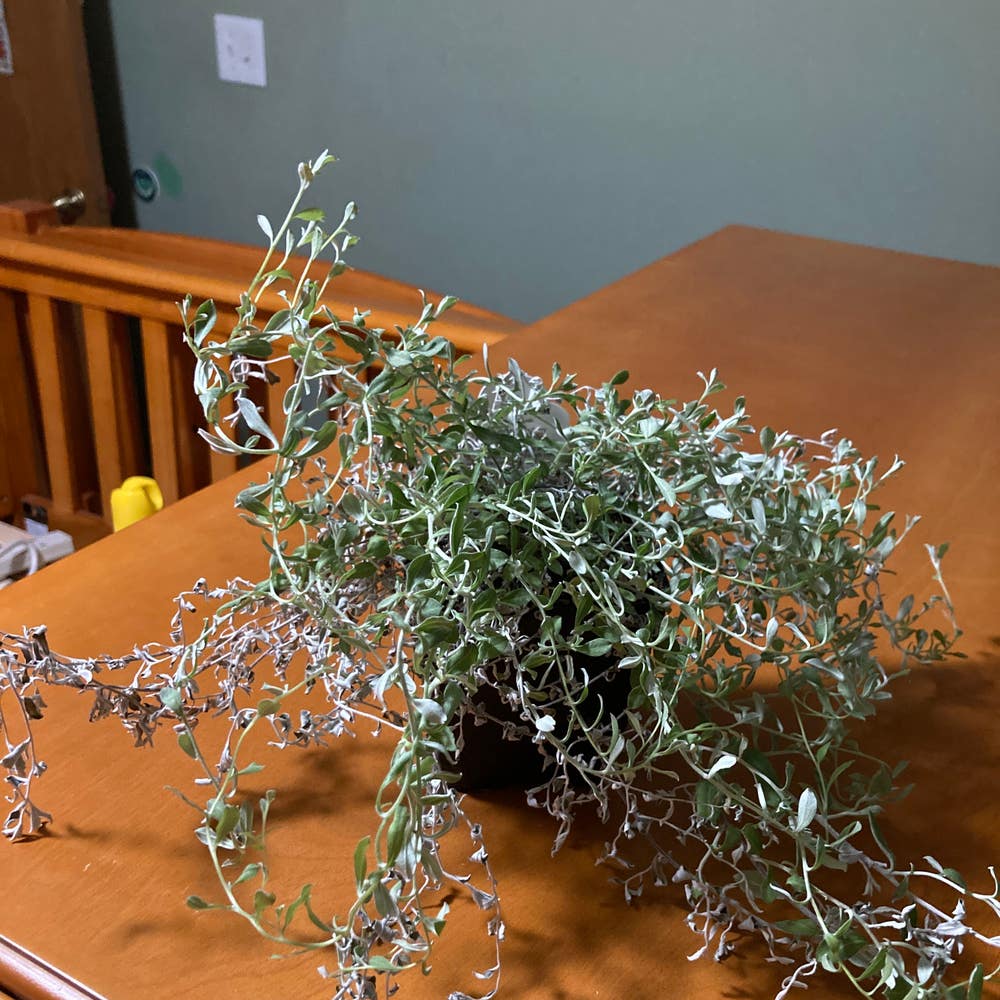
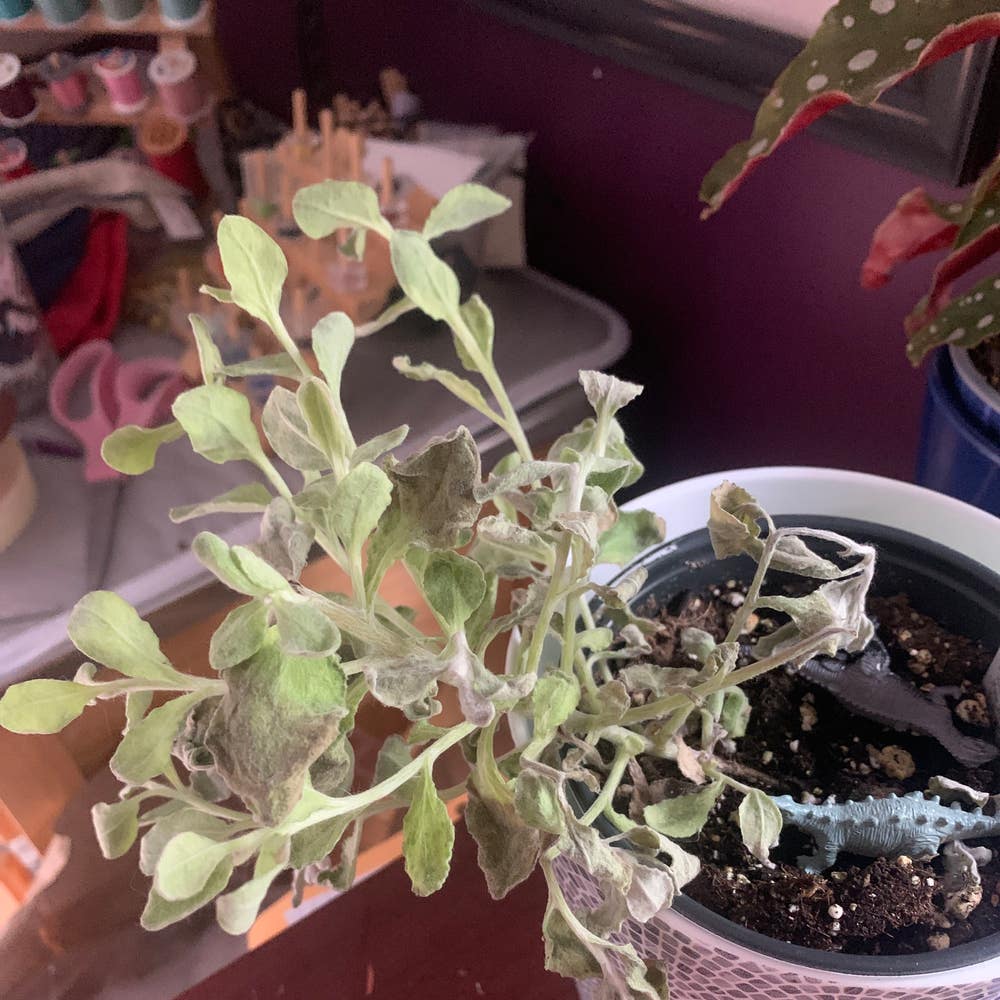
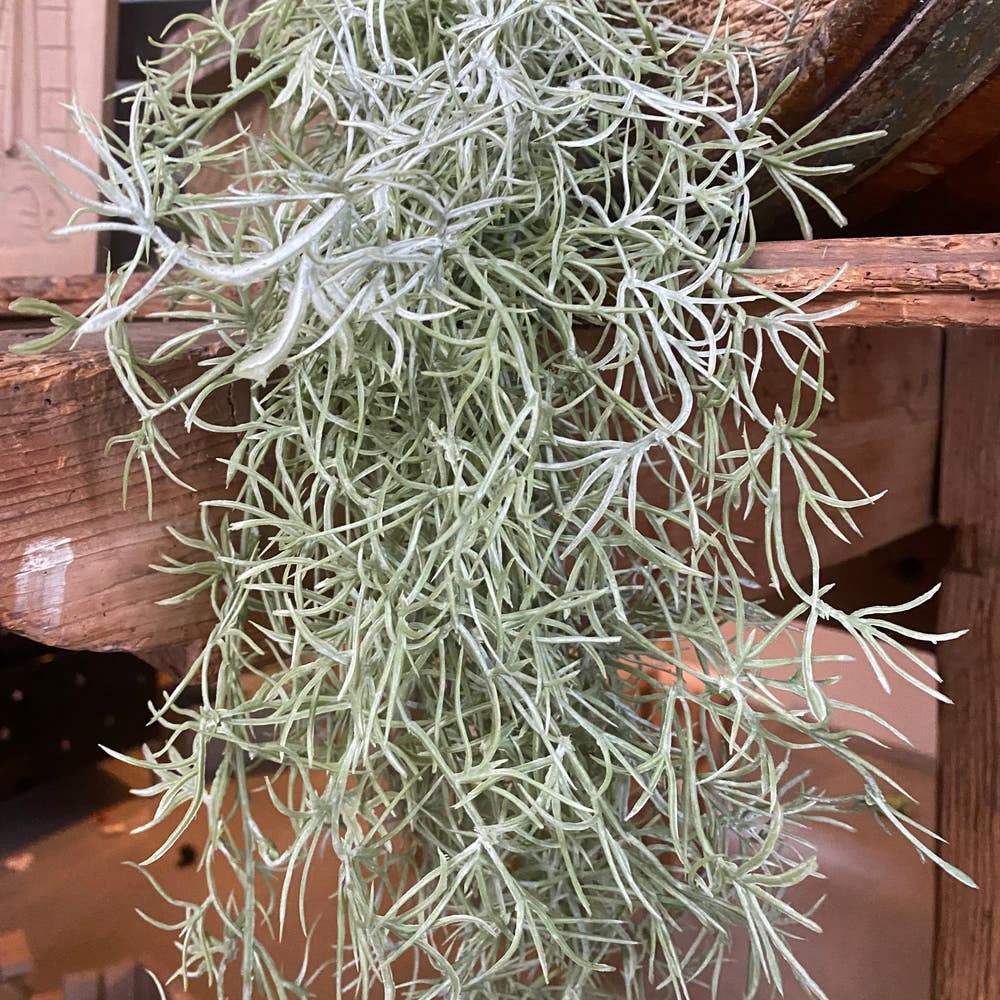
Helichrysum stoechas
By the Greg Editorial Team
Apr 15, 2024•3 min read
This article was created with the help of AI so we can cover more plants for you. May contain errors. See one? Report it here.
Trim your Strawflower 🌼 at the right time for a garden that's both lush and lively all year!
- Deadheading Strawflowers prevents disease and encourages new blooms.
- Sharp, clean tools are crucial for healthy cuts and quick healing.
- Prune for shape and size to maintain a compact, bushy growth.
Section
The Right Way to Prune Your Strawflower
🌿 Choosing Your Tools
Sterilized, sharp pruning shears are your best friends when it comes to pruning Strawflowers. Think of them as a surgeon's scalpel—precision is key. For larger stems, lopping shears can save your hands from strain.
💀 Deadheading Techniques
Deadheading should be a regular part of your Strawflower care routine. Step one: Identify spent blooms. Step two: Use your sharp scissors or shears to snip the stem just above the base of the bloom. Step three: Discard the dead flowers to prevent disease.
✂️ Shaping and Rejuvenation Pruning
Shaping your Strawflower isn't just about aesthetics; it's about promoting healthy growth. Start by removing about one-third of the oldest stems, cutting them down to the ground. This encourages fresh growth. Next, finesse the shape by trimming out-of-place branches, aiming for a natural look. Finally, clean up all cuttings to keep your garden tidy and disease-free.
Pruning Like a Pro: Tips and Tricks
🌱 Avoiding Common Mistakes
Pruning your Strawflower should be like a well-orchestrated dance: precise, intentional, and with the right tempo. Don't go in with shears blazing; that's a rookie move. Each snip should have a clear purpose, whether it's to remove dead material or to shape the plant for future growth.
Using dull tools is a no-go. It's like trying to cut a tomato with a spoon – frustrating and ineffective. Ensure your tools are sharp to make clean cuts that heal quickly. And cleanliness? Non-negotiable. Dirty tools can spread diseases faster than a gossip in a small town.
🌿 Aftercare for Pruned Plants
After pruning, your Strawflower needs some love. Think of it as post-workout care – it's all about recovery. Water your plant to help it bounce back but don't drown it in your enthusiasm. A gentle touch is key.
Keep an eye out for new growth; it's a sign your plant is moving on from its trim. If you notice any signs of distress, adjust your care routine. It's like noticing your friend is down after a haircut; you don't just leave them to wallow, you offer support.
Remember, over-pruning can leave your Strawflower as stressed as a long-tailed cat in a room full of rocking chairs. Prune with a plan, and your plant will thank you with vigorous growth and vibrant blooms.
Pruning for Specific Goals
🌼 Encouraging More Blooms
To maximize flowering in your Mediterranean Strawflower, strategic pruning is key. Deadheading, or the removal of faded blooms, redirects the plant's energy towards producing new flowers. Snip just above a leaf node or set of leaves to encourage a flush of fresh blossoms. Regular deadheading throughout the blooming season keeps the show going.
🌱 Controlling Plant Size and Spread
If your Strawflower is getting a bit too enthusiastic in its growth, it's time to reign it in. Pruning for size control should be done with precision. Cut back the stems to promote a bushier and more compact plant form. This not only keeps your Strawflower within bounds but also encourages healthier, denser growth. Remember, over-pruning can stress your plant, so keep it balanced.
⚠️ Safety First
This content is for general information and may contain errors, omissions, or outdated details. It is not medical, veterinary advice, or an endorsement of therapeutic claims.
Always consult a qualified healthcare professional before using any plant as food, medicine, or supplement.
Never eat any plant (or feed one to pets) without confirming its identity with at least two trusted sources.
If you suspect poisoning, call Poison Control (800) 222-1222, the Pet Poison Helpline (800) 213-6680, or your local emergency service immediately.
Spotted an error? Please report it here.
Ensure your Strawflower's pruning perfection ✂️ with Greg's tailored reminders, keeping your blooms vibrant and your garden thriving.