Diagnosing Mediterranean Strawflower Root Rot
Helichrysum stoechas
By the Greg Editorial Team
Apr 15, 2024•4 min read
This article was created with the help of AI so we can cover more plants for you. May contain errors. See one? Report it here.
Prevent wilt and decay 🥀 in your Strawflower by mastering early root rot diagnosis and defense!
- 🌱 Wilting, discoloration, stunted growth signal root rot in Strawflowers.
- 🛠️ Use moisture meters, prune roots, apply fungicide for treatment.
- 🌞💧 Adjust watering, soil, and pot choice to prevent future rot.
Spotting the Red Flags: Symptoms and Diagnosis of Root Rot
🚩 Visual Tell-tale Signs
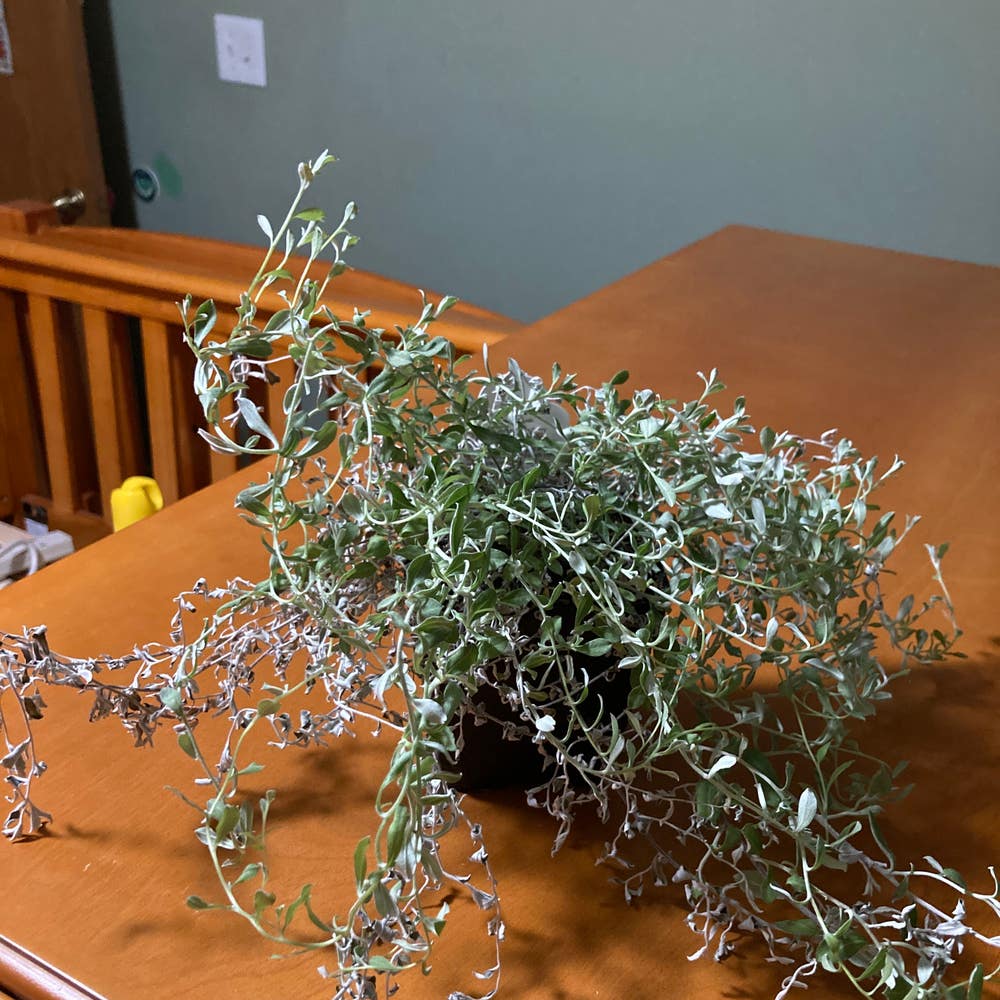
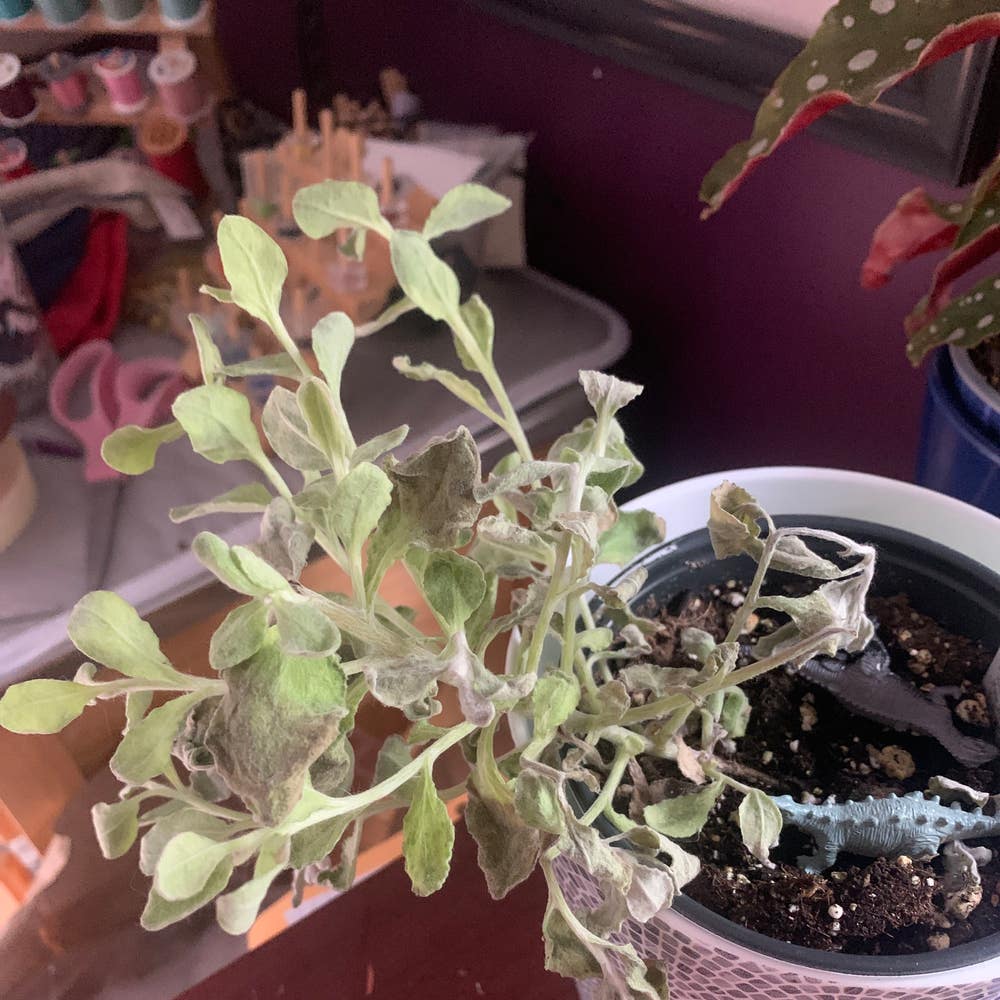
Wilting, discoloration, and stunted growth are the Mediterranean Strawflower's SOS signals. Keep an eye out for leaves that seem to have lost their will to live. Foul odor from the soil? That's the stench of root rot, not just your average garden funk.
🕵️ Getting Down and Dirty
To inspect the roots, think of yourself as a plant surgeon. Gently lift the strawflower from its pot and brush off the soil like it's a precious artifact. Healthy roots are firm and white, not mushy and brown. Tools like soil moisture meters are your allies in this fight, helping you stay on top of the root rot game.
First Aid for Your Strawflower: Immediate Root Rot Treatment
🌱 Cutting Out the Rot
In the trenches of gardening, root rot is the enemy. Prune the infected roots with sterilized shears—think of it as excising the bad to save the good. After the cutback, a fungicide is your ally. Choose one that's a match for your strawflower and apply it meticulously, avoiding soil splashback.
🌿 Soil and Water Overhaul
Replace the compromised soil with a well-draining mix; think of it as giving your strawflower a new lease on life. Adjust your watering habits to ensure the soil's moisture level is just right—moist, not drenched. Remember, your strawflower's roots need to breathe, not swim.
Building a Strong Defense: Preventing Future Root Rot
💧 Water Wisdom
To master the watering schedule, think like a plant sleuth. Check the soil's top inch; if it's dry, it's time to water. If not, your strawflower can wait. This approach is crucial for keeping roots both happy and healthy.
Adjust your watering habits with the seasons. Less water is needed when your strawflower isn't as thirsty during cooler months. Keep a vigilant eye on moisture levels to prevent the dreaded root rot.
🌱 Pot and Soil Perfection
Choosing the right pot is like setting the stage for a healthy strawflower life. Ensure pots have drainage holes to avoid waterlogging—a surefire invitation to root rot.
Mulching is your secret weapon. It conserves soil moisture and regulates temperature. Just remember to keep it away from the stem to prevent rot. Pair this with a well-draining soil mix, and you've crafted a root rot-resistant fortress.
Keeping the Rot at Bay: Long-term Plant Care Strategies
💫 Environmental Harmony
Balancing humidity and temperature is like setting the thermostat for plant health. Too much moisture invites fungal freeloaders; too little, and your strawflower might start a silent strike. Aim for that sweet spot where the air feels like a mild spring morning, every day.
Air circulation is non-negotiable. Stagnant air is a party invitation for pathogens. Keep the breeze flowing with a fan or an open window. Think of it as your plant's personal breathing space—necessary and refreshing.
Preventing overcrowding is about giving your strawflower the personal space it craves. Plants packed tighter than a rush-hour subway are a recipe for disease. Space them out; let them breathe and bask in their own slice of sunlight.
🧼 Cleanliness is Key
Sterilize your tools and pots as if they're going into surgery. It's a simple step that stops troublemakers from hopping from one plant to another. Cleanliness might be next to godliness, but in the plant world, it's first in line.
Embrace disease-resistant varieties for a garden that's more fortress than a free-for-all. These strawflowers come with their own armor, ready to stand up to rot without you needing to play hero every time.
Regular inspections are your secret weapon. Like checking for car troubles before a road trip, a quick look at your strawflower can prevent a full-blown botanical breakdown. Catch those early signs of stress and act before they turn into a saga.
⚠️ Safety First
This content is for general information and may contain errors, omissions, or outdated details. It is not medical, veterinary advice, or an endorsement of therapeutic claims.
Always consult a qualified healthcare professional before using any plant as food, medicine, or supplement.
Never eat any plant (or feed one to pets) without confirming its identity with at least two trusted sources.
If you suspect poisoning, call Poison Control (800) 222-1222, the Pet Poison Helpline (800) 213-6680, or your local emergency service immediately.
Spotted an error? Please report it here.
Prevent Mediterranean Strawflower root rot by monitoring 🌡️ soil moisture with Greg's precision tools, ensuring your blooms stay healthy and vibrant.