Black Spots on My Mediterranean Strawflower Leaves
Helichrysum stoechas
By the Greg Editorial Team
Apr 15, 2024•4 min read
This article was created with the help of AI so we can cover more plants for you. May contain errors. See one? Report it here.
Banish black spots 🕵️♂️ from your Strawflower leaves for a flawless bloom display! 🌼
- Fungal foes like Alternaria cause noticeable black spots on Strawflower leaves.
- Bacterial bullies thrive in moisture, leading to slimy leaf spots.
- Prevent with sunlight, airflow, and proper watering; treat with timely fungicide use.
Spotting the Culprit: Recognizing Black Spots
🕵️ What Do Black Spots Look Like?
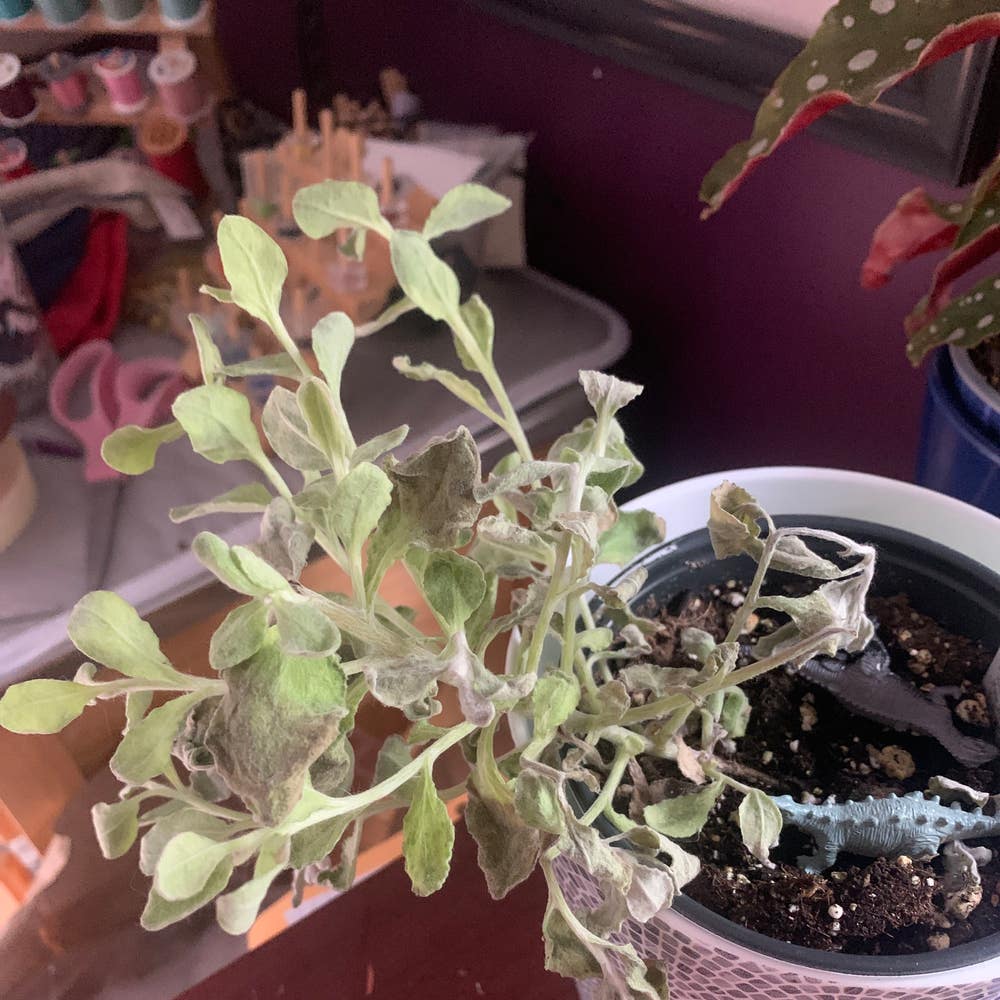
Black spots on Mediterranean Strawflower leaves are hard to miss. Dark lesions, often encircled by a yellowish halo, stand out against the green foliage. These spots range from tiny specks to larger blotches, mainly on the leaf's upper side. However, don't ignore the underside; these spots can be sneaky.
🌿 Where to Find Them on Your Strawflower
Check both the top and bottom of leaves during your routine plant inspections. While black spots typically show up on the surface, they can also start on the underside of leaves. Regular checks are crucial for early detection and management. Keep an eye out for any changes in the spots' size or color, as these can be indicators of the severity of the issue.
Unveiling the Villains: Common Causes of Black Spots
🍄 Fungal Foes: Alternaria and Cercospora
Alternaria and Cercospora are the Bonnie and Clyde of the fungal world, notorious for leaving black spots on Mediterranean Strawflower leaves. These fungal foes love to crash the party, especially when conditions are just right—think moist and humid. They start their dirty work inconspicuously, with small spots that expand into larger lesions, often with a powdery or bull's-eye appearance.
To catch these culprits, look for circular or angular spots on the leaves, sometimes surrounded by a yellowish halo. It's like the plant's way of crying out for help, with each spot a distress signal pointing to a fungal invasion.
💦 Bacterial Bullies: How They Invade
Bacterial bullies, on the other hand, are more like stealthy ninjas, often slipping in unnoticed. They thrive in wet conditions, turning your Strawflower's leaves into a polka-dotted mess. These spots can be slimy or water-soaked, resembling the aftermath of a bad cold.
If you spot these unsavory characters, it's a red flag that your watering habits might need a shake-up. Overwatering and poor air circulation are like rolling out the red carpet for these pathogens. It's crucial to reassess your care routine to ensure you're not inadvertently setting the stage for a bacterial bash on your plant's leaves.
Battle Plan: Treating Black Spots
🛡️ Fungicide to the Rescue: When and How to Use It
Timing is critical when deploying fungicides against black spots. Initiate your assault at the first sign of infection. Protectant fungicides work as a preemptive strike, shielding leaves before fungi can take hold. Apply them like sunscreen, covering all leaf surfaces evenly. If the fungal party has already started, bring in systemic fungicides. They infiltrate the plant's system, cutting off the spread of the disease from the inside.
Remember, rotate your fungicides. Using the same product repeatedly is like giving the enemy your playbook. Mix it up to keep the fungi on their toes and resistance low. Always follow the label directions to the letter—this isn't a time for freestyling.
🌱 Cultural Practices: Keeping Bacteria at Bay
For bacterial invaders, pruning is your
Fortifying Your Flower: Prevention Tactics
💡 The Right Environment: Balancing Sunlight and Moisture
Sunlight is your Strawflower's best friend, but like all good friendships, it's about finding the right balance. Ensure your plant gets plenty of bright, indirect light—too much direct sun can lead to a sunburnt bloom, too little and you're inviting the black spots to a feast.
Airflow is the unsung hero here. Good circulation is crucial; it keeps those leaves dry and sends spores packing. Think of it as your garden's natural defense system, quietly working to protect your Strawflower's vibrant petals.
When it comes to watering, it's all about timing and technique. Early morning is ideal, giving the leaves time to dry under the sun's watchful gaze. Overwatering is a no-no; soggy soil is a fungal playground. Aim for moist, not marshy.
🛡️ Vigilance and Care: Routine Checks and Cleanliness
Regular inspections are like your plant's personal bodyguard service. Be thorough—flip leaves, inspect stems, and scrutinize the soil. Catching issues early can mean the difference between a quick fix and a full-blown plant crisis.
Cleanliness is next to godliness in the plant world. Keep your garden tidy; remove debris and spent blooms to prevent disease and pests. Think of it as a daily sweep for plant health.
Pruning isn't just for aesthetics; it's a strategic move. Snip away any diseased or dying foliage to prevent the spread of black spots. Keep your tools clean, too—think surgeon-level sterilization.
Remember, consistency is key. Regular checks and maintenance are like a steady drumbeat, keeping your Strawflower's environment stable and secure. It's not just about care; it's about creating a fortress against those black spot villains.
⚠️ Safety First
This content is for general information and may contain errors, omissions, or outdated details. It is not medical, veterinary advice, or an endorsement of therapeutic claims.
Always consult a qualified healthcare professional before using any plant as food, medicine, or supplement.
Never eat any plant (or feed one to pets) without confirming its identity with at least two trusted sources.
If you suspect poisoning, call Poison Control (800) 222-1222, the Pet Poison Helpline (800) 213-6680, or your local emergency service immediately.
Spotted an error? Please report it here.
Keep your Strawflower spotless and splendid 🌿 by leveraging Greg's custom care plans and a community of plant lovers for early detection and prevention tips.