🌻 Mature Height of Your Mediterranean Strawflower
Helichrysum stoechas
By the Greg Editorial Team
Sep 30, 2024•4 min read
This article was created with the help of AI so we can cover more plants for you. May contain errors. See one? Report it here.
Elevate your garden's beauty 🌼 by mastering Mediterranean Strawflowers' growth and pruning for stunning displays!
- 🌼 Mature height varies: Dwarf Strawflowers grow 6-12 inches; giants reach up to 3 feet.
- ☀️ Optimal growth requires 6-8 hours of sunlight daily and well-drained soil.
- ✂️ Regular pruning enhances size control and boosts blooming for a vibrant garden.
Growth Rate and Time to Maturity
🌱 Average Growth Rate
Mediterranean Strawflowers thrive under optimal conditions, showcasing impressive growth rates. Dwarf varieties typically grow slower than their standard and giant counterparts, making them ideal for compact spaces.
⏳ Timeframe to Reach Full Size
Generally, these flowers take about 3 to 6 months to reach their mature height. However, this timeframe can vary significantly based on environmental factors like temperature and soil quality.
📈 Seasonal Growth Patterns
In spring, expect rapid development as the plants awaken from dormancy. Summer marks the peak growth and flowering phase, while fall brings a slowdown as temperatures begin to drop.
Understanding these growth dynamics helps you plan your garden effectively, ensuring your Mediterranean Strawflowers flourish beautifully throughout the seasons.
Size Variability
🌱 Discussion of Dwarf Varieties
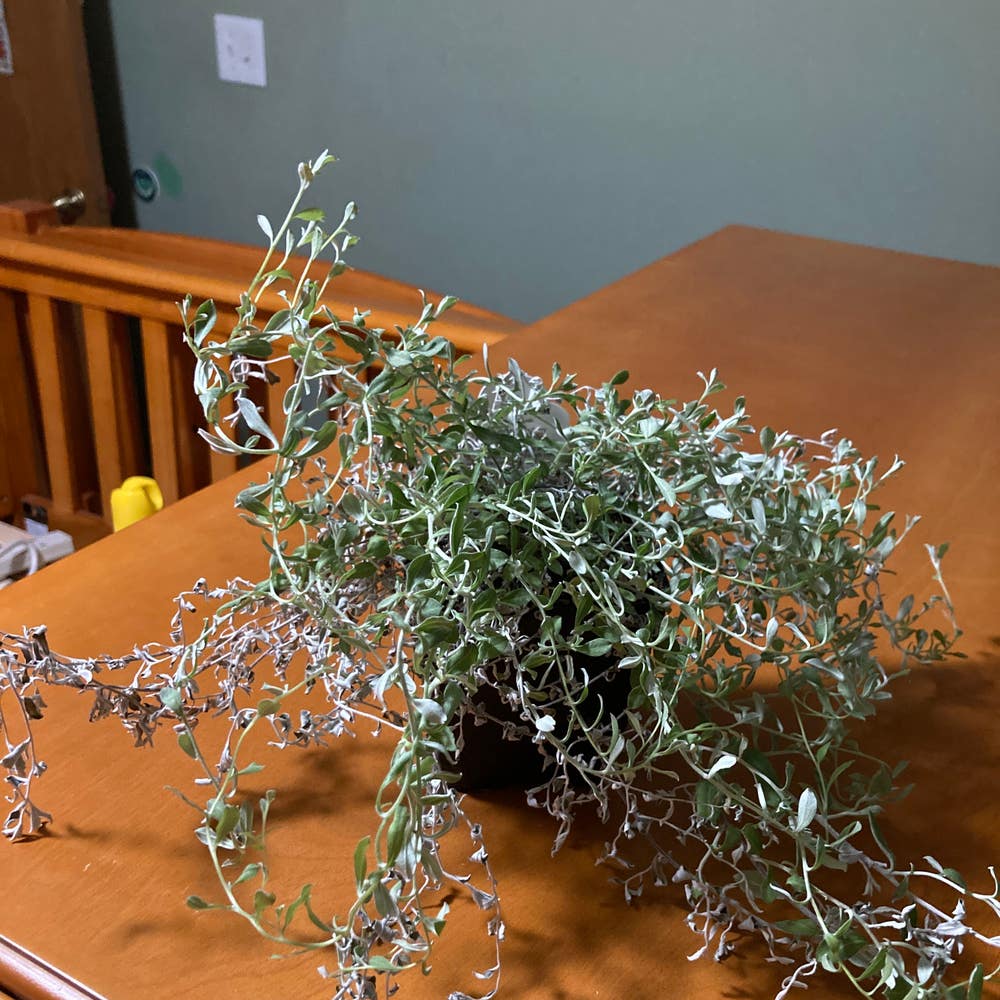
Dwarf Mediterranean Strawflowers are compact and charming, typically reaching heights of 6 to 12 inches. Their petite size makes them perfect for small gardens or container arrangements, allowing you to create vibrant displays without overwhelming your space.
🌼 Overview of Giant Varieties
On the other hand, giant Mediterranean Strawflowers can tower up to 3 feet tall. These impressive blooms are ideal for larger garden spaces, providing a striking focal point that draws the eye and adds drama to your landscape.
📏 Comparison of Size Differences Among Cultivars
When comparing standard, dwarf, and giant varieties, you'll notice significant differences in height and spread. Dwarf varieties are great for tight spots, while giants can dominate a garden bed, creating a lush backdrop for other plants.
Breeding plays a crucial role in these size variations. Selective breeding has enhanced specific traits, allowing gardeners to choose the perfect size for their unique gardening needs. Understanding these differences can help you make informed decisions about which variety to plant in your garden.
As you explore the size variability of Mediterranean Strawflowers, consider how each type can complement your garden's design. This knowledge will set the stage for the next topic: how growing conditions impact the size of these beautiful blooms.
Impact of Growing Conditions on Size
🌱 Soil Type and Its Effect on Growth
Well-drained soils are essential for the optimal growth of Mediterranean Strawflowers. These plants thrive when their roots can breathe, so consider adding organic matter like compost to enhance soil structure and fertility.
Soil amendments can significantly boost growth rates. Incorporating materials such as perlite or sand improves drainage, while fertilizers rich in phosphorus promote robust flowering.
☀️ Sunlight Exposure and Height Correlation
Mediterranean Strawflowers require full sun for at least 6-8 hours daily to reach their full potential. This exposure not only supports height but also enhances flowering, making your garden vibrant and lively.
Partial shade can hinder growth, leading to taller, leggy plants with fewer blooms. For the best results, ensure they bask in sunlight to achieve their ideal size and beauty.
💧 Watering Practices and Their Influence on Size
Consistent moisture is crucial, but overwatering can be detrimental. Striking the right balance helps maintain healthy growth; aim for soil that is moist but not soggy.
For optimal size, water your Strawflowers about once a week, adjusting based on rainfall and temperature. This routine supports robust development while preventing root rot.
Understanding these growing conditions will help you cultivate stunning Mediterranean Strawflowers. Next, let’s explore how to control their size through effective pruning techniques.
Controlling Size through Pruning
✂️ Techniques for Pruning to Manage Height
Pruning is essential for controlling the height of your Mediterranean Strawflower. One effective method is pinching back the tips, which encourages bushier growth and a fuller appearance.
Selective pruning is another technique where you target specific stems to manage height. This approach allows you to maintain the desired shape while promoting healthy growth.
⏰ Timing and Frequency of Pruning
Timing your pruning is crucial for optimal results. The best times to prune are early spring and after flowering, ensuring your plants have the best chance to thrive.
For ongoing maintenance, aim to prune every 4-6 weeks during the growing season. This regular attention helps keep your plants in check and encourages robust growth.
🎨 Benefits of Size Control for Garden Aesthetics
Controlling the size of your Strawflowers enhances their visual appeal. By maintaining a desired height and spread, you create a more balanced and attractive garden.
Additionally, strategic pruning can lead to more blooms. This not only beautifies your space but also maximizes the enjoyment you get from your plants.
As you refine your pruning techniques, you'll find that your Mediterranean Strawflowers not only look better but also flourish more vibrantly. Next, let’s explore how various growing conditions impact the size of these stunning flowers.
⚠️ Safety First
This content is for general information and may contain errors, omissions, or outdated details. It is not medical, veterinary advice, or an endorsement of therapeutic claims.
Always consult a qualified healthcare professional before using any plant as food, medicine, or supplement.
Never eat any plant (or feed one to pets) without confirming its identity with at least two trusted sources.
If you suspect poisoning, call Poison Control (800) 222-1222, the Pet Poison Helpline (800) 213-6680, or your local emergency service immediately.
Spotted an error? Please report it here.
Unlock the full potential of your Mediterranean Strawflowers with Greg's tailored care tips 🌻, ensuring they flourish beautifully while you enjoy a stunning garden display!