🌻 4 Key Phases of Mediterranean Strawflower Development
Helichrysum stoechas
By the Greg Editorial Team
Sep 30, 2024•6 min read
This article was created with the help of AI so we can cover more plants for you. May contain errors. See one? Report it here.
Cultivate stunning Mediterranean strawflowers 🌼 by mastering their growth stages for a vibrant garden display!
- 🌱 Germination takes 7-14 days; optimal temperature is 20°C to 25°C (68°F to 77°F).
- ☀️ Full sun (6-8 hours) is essential during vegetative growth for healthy development.
- 🌼 Flowering starts 10-12 weeks post-germination, lasting 4-6 weeks with vibrant blooms.
Germination Stage
Duration of Germination 🌱
The germination period for Mediterranean strawflowers typically spans 7 to 14 days. This timeframe can vary based on critical factors like temperature and moisture levels.
Conditions for Successful Germination 🌡️
To ensure successful germination, aim for an optimal temperature range of 20°C to 25°C (68°F to 77°F).
Soil Requirements
Use a well-drained, light soil mix to facilitate healthy growth. Heavy soils can hinder the germination process.
Light Exposure
During germination, indirect light is preferred. Too much direct sunlight can stress the delicate seedlings.
By providing the right conditions, you set the stage for robust growth in the subsequent stages. Next, we’ll explore the characteristics of seedlings and how to care for them effectively.
Seedling Stage
Characteristics of Seedlings 🌱
Mediterranean strawflower seedlings are a sight to behold. They feature small, green leaves with a slightly hairy texture, giving them a unique touch.
Their growth habit is compact and upright, making them easy to manage in your garden. This sturdy structure sets the stage for their future development.
Duration and Care During This Phase ⏳
The seedling stage lasts approximately 2-4 weeks. During this time, it's crucial to keep the soil consistently moist but not waterlogged.
Light feeding with a balanced fertilizer should begin after two weeks. This will help ensure your seedlings have the nutrients they need to thrive.
As you nurture your seedlings, remember that their health now will influence their growth in later stages. With proper care, you'll set them up for a vibrant future.
Transitioning from seedlings to the next phase is an exciting journey, as they prepare for rapid vegetative growth.
Vegetative Growth Stage
🌱 Description of Vegetative Growth
During the vegetative growth stage, Mediterranean strawflowers experience a burst of activity. You’ll notice rapid leaf development and stem elongation, setting the stage for future blooms.
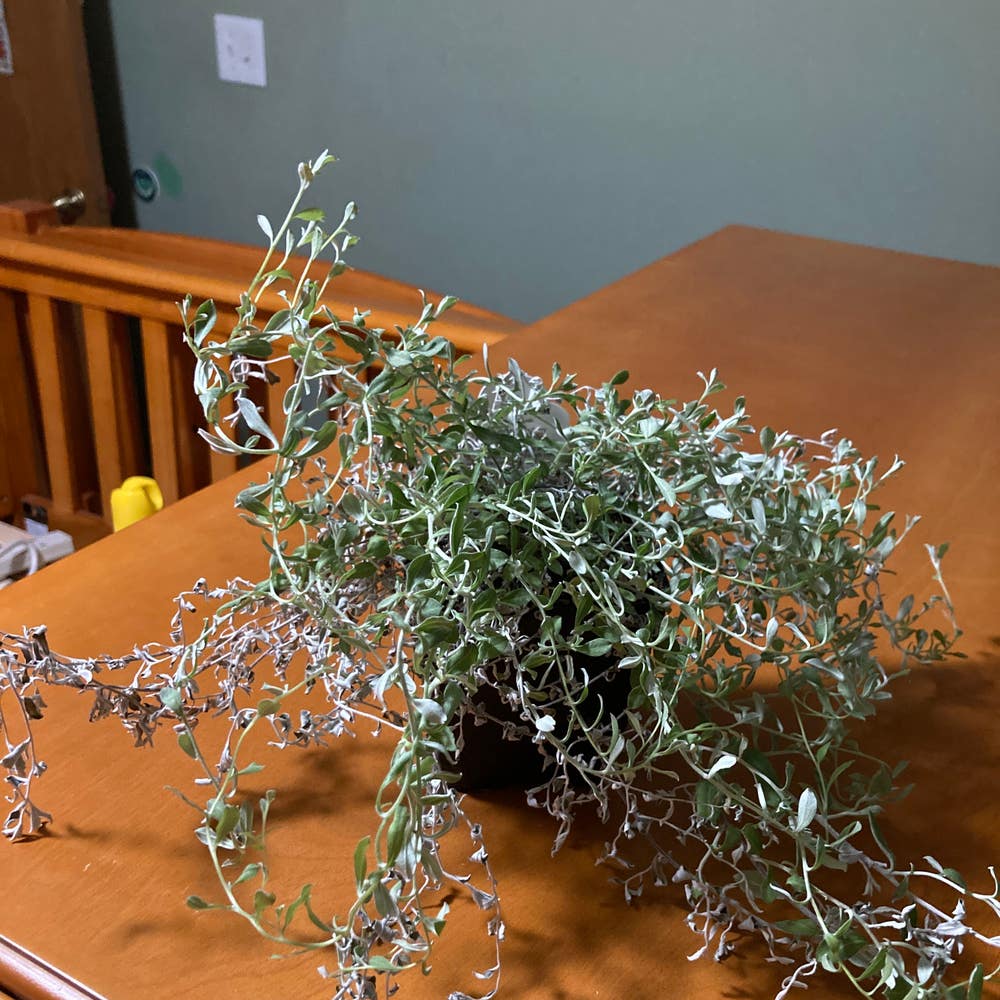
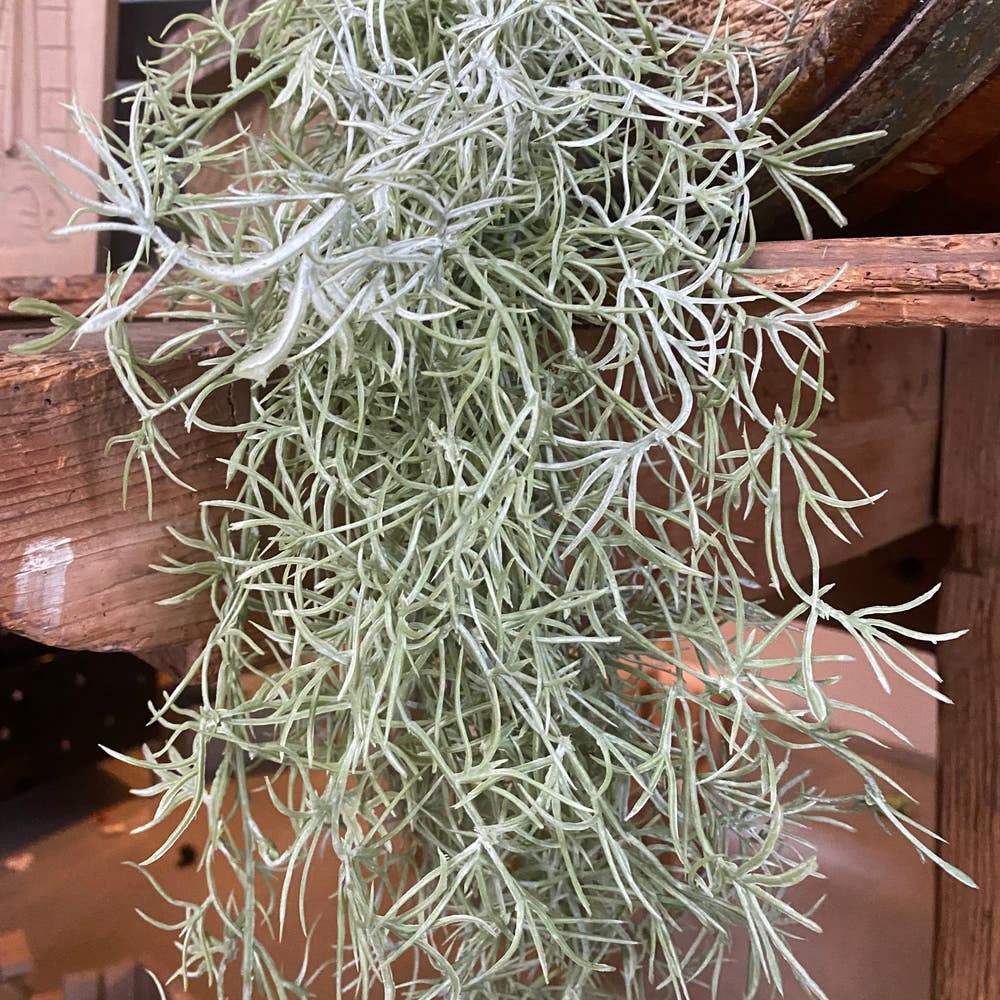
The leaves are lanceolate, showcasing a striking silvery-green hue that adds to the plant's charm. This vibrant foliage not only enhances the plant's aesthetic but also plays a crucial role in photosynthesis.
⏳ Duration and Environmental Needs
This growth phase lasts approximately 4-8 weeks, requiring specific conditions to thrive. Full sun exposure is essential, with the plants needing 6-8 hours of sunlight daily to maximize growth.
Soil conditions are equally important. A well-drained, nutrient-rich soil mix will support robust development, ensuring your strawflowers flourish during this critical stage.
As you nurture your plants, keep an eye on these environmental factors to promote healthy growth. With the right care, your Mediterranean strawflowers will be well on their way to a stunning display of blooms.
Next, we’ll explore the flowering phase, where all that growth culminates in vibrant colors and beautiful blooms.
Flowering Phase
🌸 Timeline for Flowering
The flowering phase of the Mediterranean Strawflower kicks off about 10 to 12 weeks after germination. This vibrant display lasts between 4 to 6 weeks, influenced by environmental conditions like temperature and light.
🌼 Changes in Plant Appearance
As the flowers develop, you'll see stunning, papery blooms that add a splash of color to your garden. One of the best features? These flowers retain their color even when dried, making them a fantastic choice for long-lasting arrangements.
This phase not only showcases the beauty of the plant but also signals the culmination of your care and patience. As you enjoy the blooms, you can look forward to the next exciting stage: seed production.
Seed Production
Process of Seed Formation 🌼
Mediterranean strawflowers are primarily self-pollinating, which means they can produce seeds without needing another plant. However, they still attract pollinators like bees, enhancing the overall health of the garden ecosystem.
Once pollination occurs, seeds begin to develop within the flower heads. This process is crucial for the continuation of the plant's life cycle and contributes to the vibrant display of blooms.
Duration and Conditions for Seed Production ⏳
The seed maturation process typically takes about 4-6 weeks after flowering. During this time, the right environmental conditions are essential for optimal seed development.
Warm temperatures and dry conditions are ideal for ripening seeds. Ensuring these conditions can significantly enhance the quality and viability of the seeds produced.
As you observe the seed production phase, you’ll witness the culmination of your gardening efforts. This stage not only signifies the end of one cycle but also the promise of new growth to come.
Next, let’s explore the growth rate and maturation of these beautiful plants.
Growth Rate and Maturation
How Long Until Fully Grown? 🌱
From seed to maturity, Mediterranean Strawflowers typically take about 12-16 weeks. This timeframe encompasses all key growth phases, leading to vibrant blooms.
Factors Affecting Growth Rate 🌿
Several factors can influence how quickly your Strawflowers grow:
Soil Quality: Nutrient-rich, well-draining soil is essential for promoting faster growth. Poor soil can stunt development.
Watering Practices: Consistent moisture is crucial, but avoid overwatering. The right balance keeps the plants thriving.
Light Exposure: Adequate sunlight significantly enhances growth speed. Aim for at least 6-8 hours of direct sunlight daily.
Average Maturation Time ⏳
Generally, you can expect maturation to occur within the same 12-16 week window from germination to flowering. This timeline is a reliable guide for planning your gardening activities.
Understanding these growth dynamics helps you nurture your Strawflowers effectively. With the right conditions, you'll be rewarded with a stunning display of blooms.
Next, let's explore the notable changes throughout the life cycle of these beautiful plants.
Notable Changes Throughout Life Cycle
🌱 Physical Changes During Each Stage
The life cycle of the Mediterranean strawflower is marked by distinct physical transformations.
Germination: This stage kicks off with the emergence of cotyledons, the plant's first leaves, signaling the start of life.
Seedling: As the plant develops, true leaves begin to form, showcasing a vibrant green hue that indicates healthy growth.
Vegetative: During this phase, the plant experiences a growth spurt, leading to increased height and denser foliage.
Flowering: Finally, the plant bursts into color with the appearance of vibrant blooms, captivating anyone who lays eyes on them.
🌿 Changes in Care Requirements as the Plant Matures
As the Mediterranean strawflower progresses through its life stages, its care needs evolve.
Watering Frequency: Initially, seedlings require more frequent watering to establish roots. As they mature, you can adjust the watering schedule based on their growth stage.
Fertilization: Nutrient needs also change. During the vegetative growth and flowering phases, increase the nutrient supply to support robust development and vibrant blooms.
Understanding these changes not only enhances your gardening skills but also ensures your strawflowers thrive beautifully. With the right care, you can enjoy their stunning blooms for weeks on end.
Next, we’ll explore the fascinating process of seed production and what it entails for your garden.
⚠️ Safety First
This content is for general information and may contain errors, omissions, or outdated details. It is not medical, veterinary advice, or an endorsement of therapeutic claims.
Always consult a qualified healthcare professional before using any plant as food, medicine, or supplement.
Never eat any plant (or feed one to pets) without confirming its identity with at least two trusted sources.
If you suspect poisoning, call Poison Control (800) 222-1222, the Pet Poison Helpline (800) 213-6680, or your local emergency service immediately.
Spotted an error? Please report it here.
Nurturing Mediterranean strawflowers through their growth phases is a breeze 🌱 with Greg's personalized care tips and watering reminders, ensuring your garden bursts with vibrant blooms!