Best Soil Potting Mix for Mediterranean Strawflower
Helichrysum stoechas
By the Greg Editorial Team
Apr 15, 2024•4 min read
This article was created with the help of AI so we can cover more plants for you. May contain errors. See one? Report it here.
Craft stunning Strawflower blooms 🌼 with this tailored soil mix guide for garden glory!
- Well-draining mix essential for Mediterranean Strawflower health and vibrant blooms.
- Customize with sand, perlite, and organic matter for tailored nutrition and growth.
- Seasonal soil adjustments maintain long-term health and continuous flowering.
Spotting and Fixing Soil No-Nos
🌧️ Recognizing Trouble in Paradise
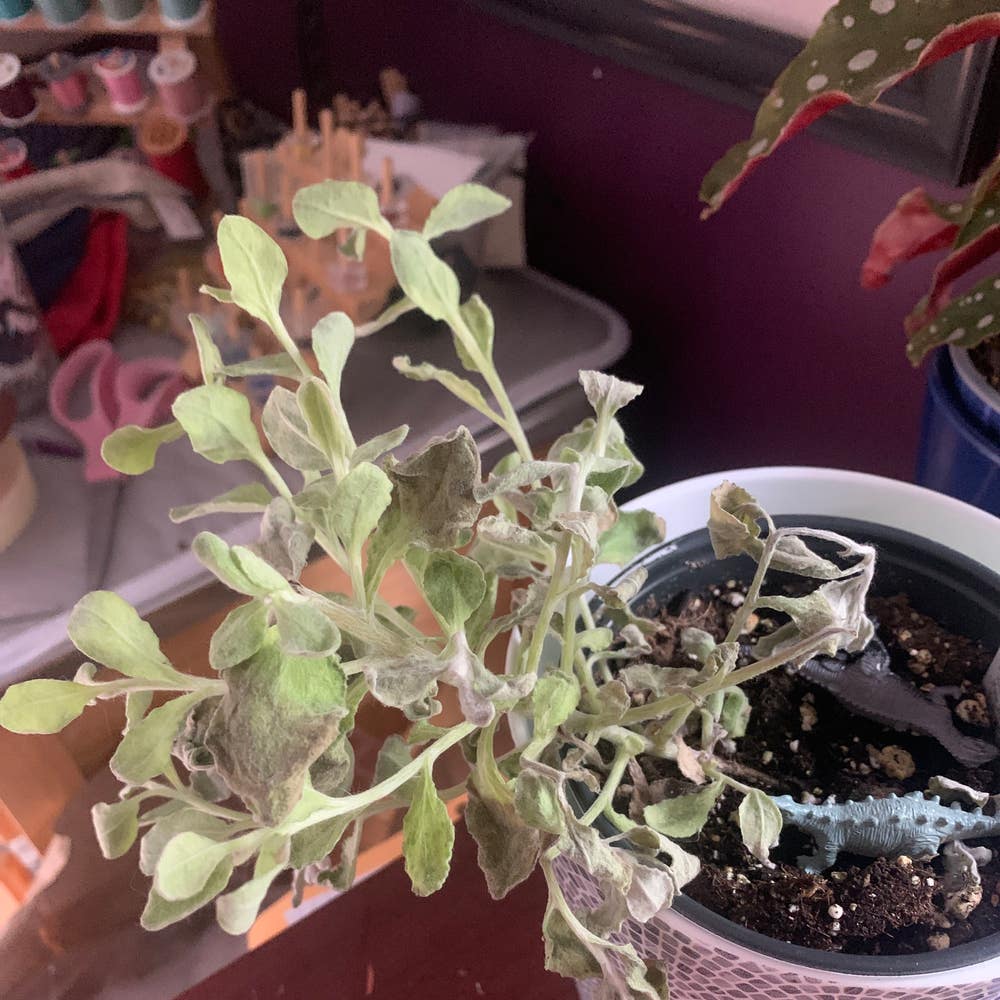
Mediterranean Strawflower's disdain for waterlogged conditions is no secret. Spotting mold or a soil surface that's more waterbed than flowerbed? You've got a problem. Leaves turning yellow or growth stunting are your plant's cry for help. It's like a silent alarm for soil distress.
Turning the Soil Ship Around
First, reassess your watering habits—your Strawflower isn't training for a swim meet. If the soil's as dense as a fruitcake, it's time to lighten up. Mix in some sand or perlite to improve drainage and aeration. Mold making an unwelcome appearance? Dial back on the H2O and let the sun work its disinfectant magic. In severe cases, don't shy away from a complete soil replacement. Remember, roots need their space, so give them a mix that breathes.
Crafting the Ultimate Soil Mix
🌱 The Building Blocks of Strawflower Success
To kickstart your Mediterranean Strawflower's journey, a well-draining, nutrient-rich soil mix is non-negotiable. The mix should be loose enough to allow water to pass through while retaining enough moisture to prevent drought stress.
- Coarse sand or pumice is essential for that gritty, loose structure.
- Perlite or vermiculite steps up the aeration game.
- Organic matter is a must; compost or worm castings will do the trick, providing nutrients and beneficial microorganisms.
- Coco coir or peat moss is your moisture manager, helping to keep the soil damp but not soggy.
🌿 Mixing It Up at Home
Creating your own soil blend is like crafting a bespoke suit for your Strawflower—it should fit just right. Here’s how to do it:
- Measure out 2 parts of either coco coir or peat moss for moisture control.
- Add 1 part coarse sand or pumice for that critical drainage.
- Incorporate 1 part perlite or vermiculite for aeration.
- Enrich the mix with 1 part compost or worm castings for a nutrient kick.
- Mix everything thoroughly to avoid any layering—uniformity is key.
- Feel the texture; it should be fluffy and light, yet with a bit of heft.
Remember, the goal is to create a habitat that mimics the Strawflower's natural environment. Adjust the ratios based on your plant's response and the specific conditions of your garden.
Store-Bought vs. Homemade: The Great Soil Debate
🌱 Pros and Cons of Pre-Mixed Soils
When it comes to commercial soil mixes, convenience is king. They're ready to go, saving you the hassle of sourcing and blending ingredients. But let's be real, they can hit your wallet harder and may not be the custom fit your Mediterranean Strawflower craves. Some mixes are like fast food for plants—quick and easy but not exactly what you'd call bespoke nutrition.
🌼 Tailoring Soil to Your Strawflower's Whims
Now, rolling up your sleeves for a DIY soil mix is where the magic happens. You're the chef in a dirt kitchen, tweaking the recipe to suit your Strawflower's palate. Whether it's adjusting for the plant's growth stage or the local climate, homemade mixes let you play soil sommelier, pairing the perfect earthy blend with your plant's current mood. Just remember, with great power comes great responsibility—overdo it, and you might just spoil the broth, or in this case, the bloom.
Keeping the Soil Prime Year-Round
🌱 Seasonal Adjustments for Perpetual Perfection
Your Mediterranean Strawflower isn't just surviving the seasons—it's thriving through them. As the weather shifts, so should your soil mix strategy.
🌸 Spring Awakening
In spring, your soil should wake up as the flowers do. Increase organic matter to kickstart growth.
☀️ Summer Heat
During the hot summer months, consider a soil mix that retains a bit more moisture to combat the heat.
🍂 Autumn Winds
Come fall, ease up on watering and let the soil mix dry out a bit more, preparing the plant for dormancy.
❄️ Winter Watch
Winter is maintenance mode. Keep the soil from freezing and avoid waterlogging.
Long-Term Soil Health and Rejuvenation
Long-term love for your strawflower means keeping the soil fresh.
🔄 The Refresh Routine
Every two to three years, rejuvenate your soil. Mix in new perlite, coarse sand, and peat moss.
🌱 Compost Contribution
Work in compost periodically for a nutrient boost—think of it as a multivitamin for your plant.
💧 Water Wisdom
Adjust watering practices to match the life cycle and seasonal rhythms of your strawflower.
🔍 Consistent Checks
Regularly check soil pH and drainage to preempt problems before they arise. Your strawflower will reward you with continuous blooms.
⚠️ Safety First
This content is for general information and may contain errors, omissions, or outdated details. It is not medical, veterinary advice, or an endorsement of therapeutic claims.
Always consult a qualified healthcare professional before using any plant as food, medicine, or supplement.
Never eat any plant (or feed one to pets) without confirming its identity with at least two trusted sources.
If you suspect poisoning, call Poison Control (800) 222-1222, the Pet Poison Helpline (800) 213-6680, or your local emergency service immediately.
Spotted an error? Please report it here.
Ensure your Mediterranean Strawflowers thrive, not just survive 🌼, by using Greg to monitor and adjust your potting mix for perfect blooms every time.