What Temperature Does My Mediterranean Strawflower Need?
Helichrysum stoechas
By the Greg Editorial Team
Apr 15, 2024•3 min read
This article was created with the help of AI so we can cover more plants for you. May contain errors. See one? Report it here.
Discover the secret to vibrant Strawflower blooms by nailing the perfect temperature sweet spot! 🌡️🌼
- Day 65-75°F, Night 55-65°F - Ideal temperature range for Strawflowers.
- 🌞🌡️ Protect from extreme heat and cold to prevent wilting and discoloration.
- Seasonal care adjustments are key for Strawflower's health and vibrancy.
Dialing in the Perfect Temperature
🌞 Basking in the Sun
The Mediterranean Strawflower thrives in a daytime temperature sweet spot of 65-75°F. To keep your blooms vibrant, monitor the mercury closely.
Avoid scorching by providing shade during the most intense midday heat. Think of it as sunscreen for your Strawflower, preventing those petals from frying.
🌜 When the Sun Goes Down
Nighttime is all about keeping it cozy. Aim for a temperature range of 55-65°F to keep your Strawflower snug as a bug.
To fend off the chill, consider using cloches or frost blankets. They're like a warm hug for your plants, warding off the cold night air.
When Your Strawflower Feels Under the Weather
🚨 Visual SOS Signals
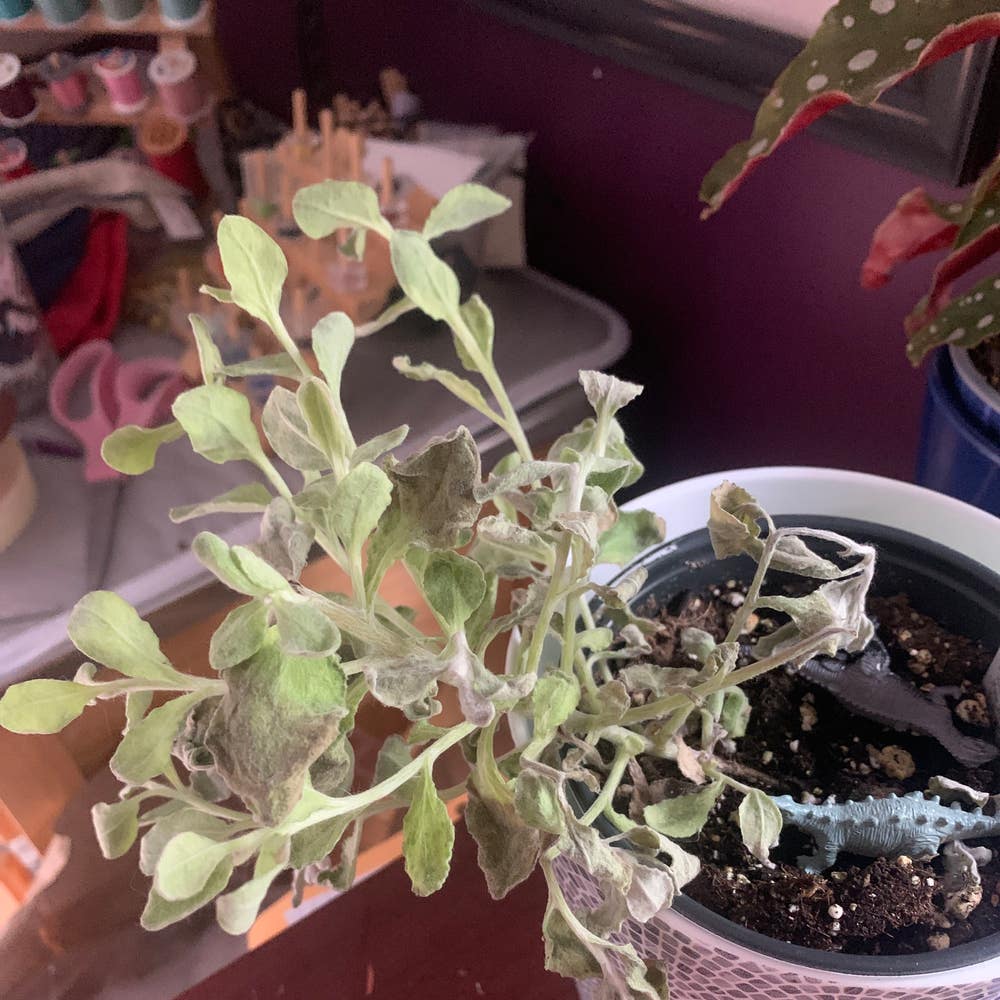
Wilting and discoloration in your Mediterranean Strawflower are red flags; they're the plant's version of a distress call. When the leaves droop or curl, it's the plant's way of saying it's too hot.
Conversely, growth that's hit the brakes or flowers playing hide and seek could mean the temperature's too cool for comfort. It's crucial to distinguish between temperature stress and other issues like watering mishaps or light deficiencies.
Yellowing leaves are a visual shout for attention, often a sign of temperature-related chlorophyll breakdown. If your plant's leaves are sporting a sunburnt yellow or a frostbitten purple, it's time to reassess the thermostat.
Scorched leaves? That's the plant's equivalent of a sunburn. Leaves turning dark and limp? That's a sign of cold stress. Keep an eye out for these symptoms to ensure your Strawflower isn't sending out an SOS.
Troubleshooting Temperature Tantrums
🌡️ Common Culprits
Rapid temperature changes are the arch-nemesis of your Mediterranean Strawflower. To combat these fluctuations:
- Drafts and heat sources like radiators or air conditioners are notorious for causing trouble. Keep your Strawflower at a safe distance.
- 💡 Artificial lighting should be used wisely. It can heat up the space too much if too close to the plant.
Seasonal Adjustments
Your Strawflower's comfort is a year-round commitment. Here's how to keep it thriving through the seasons:
- Summer: Shade your plant during the hottest parts of the day to prevent overheating.
- Winter: Employ bubble wrap or move plants to a warmer spot to fend off the cold.
- Thermostats can be your best friend. They help maintain a consistent environment, crucial for avoiding temperature-induced drama.
Remember, your Strawflower isn't seeking an adrenaline rush from a temperature roller coaster. Keep it steady, and you'll both be happier for it.
A Quick Note on Humidity
💦 Just a Splash
Mediterranean Strawflowers are not divas when it comes to humidity. They prefer their air like their soil: on the drier side. A quick mist can perk them up, but don't turn your garden into a sauna. Overdoing it with humidity is like giving them soggy boots—uncomfortable and prone to fungal party crashers.
🌡️ The Humidity-Temperature Tango
Remember, humidity and temperature perform a delicate dance. Balance is key. Your Strawflower won't throw a tantrum over dry air, but it's not keen on a tropical holiday either. Keep the air moving; stagnant moisture is the enemy, inviting unwanted fungal guests.
🛠️ Gadget Guidance
A hygrometer can be your best friend, letting you keep an eye on moisture levels without breaking a sweat. If you're hitting the dry extremes, consider a pebble tray or grouping plants to up the humidity just a touch. Conversely, if you're swimming in moisture, time to dehumidify.
🌦️ Seasonal Adjustments
As the seasons shift, so does indoor humidity. Stay vigilant. Adjust your care routine to maintain that Mediterranean vibe—think warm, breezy coastlines rather than damp, dense forests. Your Strawflower will thank you by flaunting its vibrant colors, no passport required.
⚠️ Safety First
This content is for general information and may contain errors, omissions, or outdated details. It is not medical, veterinary advice, or an endorsement of therapeutic claims.
Always consult a qualified healthcare professional before using any plant as food, medicine, or supplement.
Never eat any plant (or feed one to pets) without confirming its identity with at least two trusted sources.
If you suspect poisoning, call Poison Control (800) 222-1222, the Pet Poison Helpline (800) 213-6680, or your local emergency service immediately.
Spotted an error? Please report it here.
Ensure your Mediterranean Strawflower thrives 🌞 with Greg's personalized environment tracking, helping you maintain the ideal temperature and humidity without the guesswork.